The Philippines and Kazakhstan have separately expanded their bilateral air service arrangements with Turkey, paving the way for more passenger capacity through Istanbul and a wider range of secondary gateways.
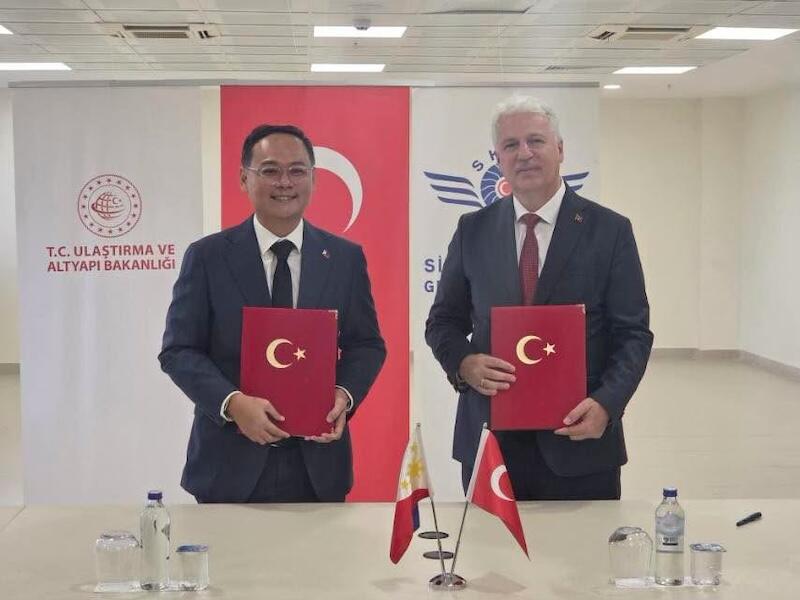
Under an agreement signed following consultations in Istanbul, the permitted frequency between Manila Ninoy Aquino International Airport and Istanbul Airport has doubled from 7X- to 14X-weekly. Turkish Airlines is currently the only operator on the route, flying daily using Boeing 777-300ER aircraft. OAG Schedules Analyser data shows the Star Alliance member is offering 21,540 two-way seats between Istanbul and Manila during August 2026, up 2.3% from 21,050 a year earlier.
The agreement also removes frequency limits for services involving secondary Philippine gateways, including Clark International Airport, Mactan-Cebu International Airport and Davao International Airport. This could allow carriers to develop new routes outside Manila without requiring further bilateral negotiations.
Sabre Market Intelligence figures show approximately 110,400 two-way passengers traveled between Turkey and the Philippines in 2025, down 8.7% from about 121,000 in 2024. Manila accounted for approximately 102,300 passengers, or almost 93% of the market. Cebu generated about 4,000 passengers, Clark 2,400 and Davao slightly more than 500.
“As partners, we have always demonstrated that constructive dialogue, mutual respect and a willingness to understand each other's perspectives are the foundations of successful negotiations,” said Giovanni Lopez, acting secretary of the Philippine Transportation Department. “I am confident that this consultation will continue in the tradition and result in outcomes that are balanced, equitable and beneficial to both the Philippines and Turkey.”
A separate memorandum of understanding between Turkey and Kazakhstan has also been signed.
According to Kazakhstan’s Transport Ministry, the agreement nearly doubles the number of permitted weekly passenger flights between the countries from 120 to 224. Capacity on core routes linking Istanbul and Ankara with Astana, Almaty and Shymkent will increase from 76 to 138 weekly frequencies, while the allowance for leisure services from Antalya and Bodrum to Kazakh cities will rise from 44 to 86.
Unlike the Philippine market, Turkey-Kazakhstan already supports a competitive network. OAG data shows airlines are offering approximately 278,300 two-way seats between the countries during August 2026, an increase of 24.1% from about 224,300 a year earlier.
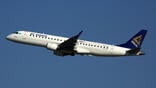
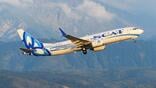
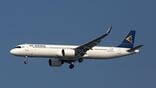
Air Astana is the largest operator, accounting for 34.1% of capacity, followed by Turkish Airlines at 26.3% and Pegasus Airlines at 21.6%. FlyArystan holds a 7.5% share, while AJet accounts for 4.7% and SCAT Airlines 3.5%.
Sabre data shows approximately 1.07 million two-way passengers traveled between Turkey and Kazakhstan during 2025, broadly flat compared with the previous year. Almaty accounted for approximately 524,500 passengers and Astana for 308,900, meaning the two cities generated more than three quarters of total demand.
The data also highlights the importance of Turkey’s leisure gateways. Antalya-Almaty was the largest individual city pair during 2025, generating about 233,300 passengers, ahead of Istanbul-Almaty at 209,300 and Istanbul-Astana at 199,200.
The Turkey-Kazakhstan agreement additionally permits airlines from the two countries to operate up to 38 scheduled cargo frequencies per week on a reciprocal basis. The two authorities also agreed to deepen cooperation in aviation safety, security, training, maintenance, ground handling, airport operations and digitalization.

Related Content