Kazakhstan and China have agreed to increase permitted scheduled passenger services between the two countries by more than 20%, creating additional room for airlines to expand in a growing market.
Following talks in Beijing, the weekly bilateral allowance will rise from 124 to 152 passenger flights, an increase of 22.6%. The countries also expanded the list of Chinese destinations available to airlines serving Kazakhstan to 11 cities, adding Chongqing in southwest China.
“In addition, the parties discussed the launch of direct flights between Astana and Shanghai, including services operated by Chinese airlines, as well as the establishment of a third international air corridor between Kazakhstan and China,” a statement from the Aviation Administration of Kazakhstan says.
“This new corridor is expected to increase airspace capacity, optimize flight routes, reduce congestion on existing airways and create additional opportunities for the further expansion of air connectivity between the two countries.”
The agreement comes amid rapid growth in air connectivity between mainland China and Kazakhstan. Analysis of OAG Schedules Analyser data shows airlines are offering about 1.09 million two-way seats during the summer 2026 season, up 49.3% from approximately 729,000 during the corresponding 2025 season.
Capacity has increased almost sixfold compared with summer 2023, when the market offered about 191,000 seats. The number of nonstop airport pairs has also risen to 19 this summer from 17 a year earlier and from eight three years ago.
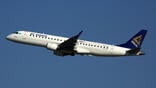
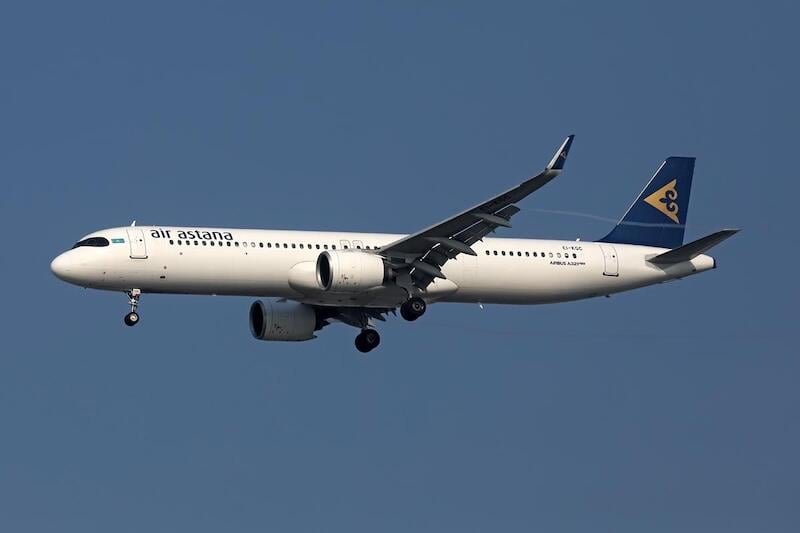
China Southern Airlines remains the largest operator between the countries, offering about 325,300 two-way seats during summer 2026, equivalent to nearly 30% of the market. Air Astana ranks second with approximately 289,600 seats—up 63% year on year—and has a 26.6% share.
In June, the two airlines announced a codeshare covering 10 routes. The agreement includes Air Astana-operated services from Almaty to Beijing Capital, Guangzhou and Urumqi, and from Astana to Beijing. China Southern routes covered by the partnership include services to Almaty from Beijing Daxing, Guangzhou, Urumqi and Xi'an, as well as flights to Astana from Guangzhou and Urumqi.
China Southern President and CEO Han Wensheng said the agreement would support higher frequencies to Kazakhstan. “It is not only a strategic move leveraging both airlines' strengths but also a significant step in deepening Belt and Road aviation connectivity between China and Kazakhstan,” he says.
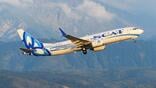
The OAG data shows that Air China has recorded the fastest absolute expansion among the Chinese operators, more than doubling capacity to about 145,500 seats this summer. Its share has increased to 13.4%, placing it ahead of Kazakhstan's SCAT Airlines, which offers about 122,200 seats.
FlyArystan has also expanded, increasing capacity by 163% to nearly 95,800 seats. Loong Air accounts for about 78,800 seats, while China Eastern Airlines offers approximately 31,400.
Almaty-Urumqi remains the largest route, with about 220,600 two-way seats during summer 2026, up 20% year on year. It accounts for about one-fifth of the entire Kazakhstan-mainland China market. Meanwhile, Almaty-Beijing Capital ranks second with more than 112,300 seats, an increase of 39%, followed by Almaty-Beijing Daxing at about 83,000.
Kazakhstan is simultaneously seeking to deepen aviation links elsewhere in Asia. During a recent meeting in Astana with representatives of the Japanese government and ANA Holdings, officials discussed the potential introduction of nonstop Kazakhstan-Japan flights.

Related Content