The Olympic Pipeline that delivers jet fuel to Seattle-Tacoma International (SEA) was partially restarted on Nov. 25, easing the fuel shortage emergency at the airport that has forced airlines to take contingency measures to avoid flight disruptions.
BP, which owns the pipeline, said it determined it is safe to restart one of the pipeline’s two pipes while it repairs the other. A leak was discovered on Nov. 11, leading to the pipeline being shut down.
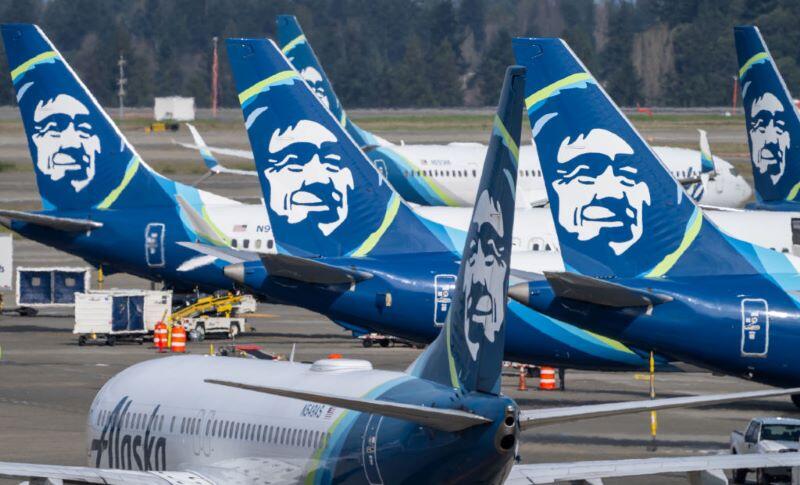
Alaska Airlines and Delta Air Lines, the two largest carriers at SEA, have since been taking measures to keep aircraft operating, including making fuel stops on some SEA routes. Washington Governor Bob Ferguson issued an emergency declaration to waive restrictions on trucks carrying jet fuel to SEA in an effort to get as much fuel to the airport as possible.
After two weeks, with concern growing over the airport managing through a fuel shortage during the busy Thanksgiving holiday travel period, BP said a Nov. 24 inspection “found no indications of a leak” in the smaller of the pipeline’s two pipes, allowing it to be restarted on Nov. 25. But the company added the larger pipe has a “confirmed” leak and will remain shut down. “Repair plans [for the second pipe] are being developed and a timeline for repair and restart will be shared when available,” BP said.
Alaska Airlines said the fuel stops implemented in recent days on around 12 daily SEA flights will no longer be necessary. But the carrier will continue tankering fuel—carrying more fuel than is needed to fly a route—on inbound flights to Seattle. In addition, trucks will continue bringing additional fuel to the airport.
“We are returning to normal operations,” the airline said. “No other operational impacts are expected.”
U.S. Senator Maria Cantwell (D-Washington) wrote in a letter to BP North America CEO Murray Auchinclos prior to the partial restart that SEA “depends on the ability of over 1,000 airplanes to take off and land each day, which requires reliable access to fuel.”
Even as the Washington governor’s emergency order suspended hours restrictions on trucks delivering jet fuel in an effort to keep flights operating, Cantwell noted 90 trucks arriving in a 24-hour period are only able to deliver about “half of the fuel the airport needs.”
Both Alaska (which has around a 50% market share at SEA) and Delta (which has around a 25% share) have said they were able to avoid serious flight disruptions through fuel management techniques, though Delta had warned passengers that “schedule adjustments” on long-haul international flights might be necessary if the pipeline remained closed down.

Related Content