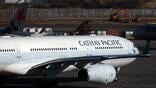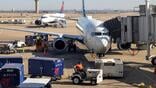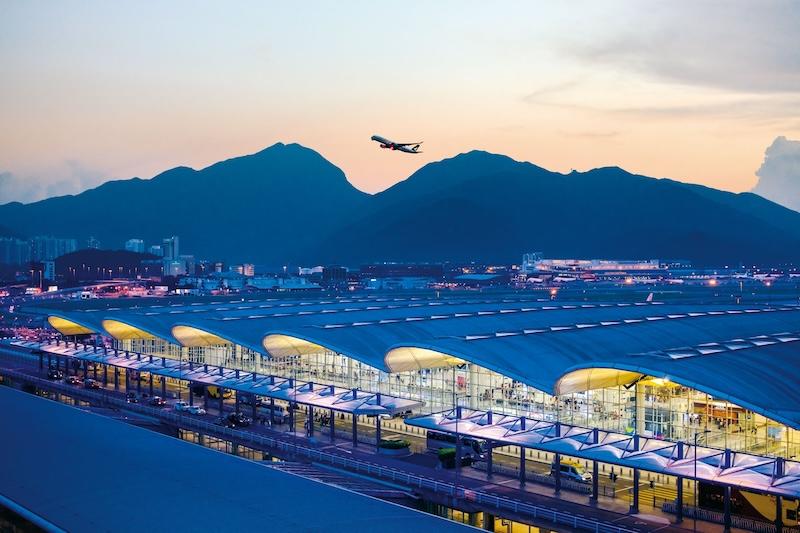
Despite the current flight and operational disruptions from Super Typhoon Ragasa, Hong Kong International Airport (HKG) remains on course with its long-term strategy to develop high-growth markets across Southeast Asia while enhancing its established long-haul routes to Europe and Australasia.
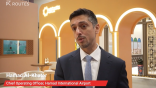
As Routes World 2025 launches its first day, with meetings taking place virtually and at hotels across the city, Airport Authority Hong Kong (AAHK) CEO Vivian Cheung highlighted the airport's strategic priorities for enhancing both regional and global connectivity.
“Southeast Asia traffic has seen impressive growth since last year—countries like Vietnam and Indonesia are doing exceptionally well, with year-to-date passenger growth at 56% and 29%, respectively,” she said in an interview with Routes, conducted before Routes World arrived in Hong Kong.
Cheung also pointed to India as a key growth market, with year-to-date passenger growth of 25%. “We see the potential of attracting Indian passengers to make use of our airport as a hub for trips to long-haul destinations such as the U.S. West Coast,” she added.
On the long-haul front, HKG is targeting traditional trunk routes connecting Australasia and Europe, which have seen year-to-date passenger growth of 25% and 14%, respectively. Middle Eastern destinations are also a priority, with growth of 14% in 2025.
HKG is also deepening its ties with Belt and Road countries, recently signing memoranda of understanding (MOU) with airports in Uzbekistan and Kazakhstan. “We are proactively expanding our air network for passengers and cargo to increase connectivity and efficiency,” Cheung said.
More News And Analysis From Routes World 2025
She explained that the airport’s Air Network Development Program, launched in 2024, has been important in strengthening connectivity. The program offers incentives for airlines to launch new routes and increase flight frequencies.
“The program has been well received by the industry. So far, around 30 airlines have taken part, adding close to 70 new destinations to HKIA’s global network,” Cheung said.
Newly added destinations and increased frequencies include flights to Komatsu, Ishigaki and Sendai in Japan; Da Nang and Phu Quoc Island in Vietnam; Yuncheng, Yichang and Ningbo in mainland China; Abu Dhabi and Riyadh in the Middle East; Sydney in Australia; Vancouver in North America; and Brussels, Rome and Munich in Europe.
The interview with Cheung took place in the days leading up to Routes World 2025 arriving in Hong Kong, ahead of Super Typhoon Ragasa lashing the city. The powerful storm made landfall in Hong Kong early on Sept. 24. The Hong Kong Observatory issued its highest-level No. 10 warning signal at 2:40 am, just one hour after upgrading to a No. 9 alert, as hurricane-force winds reaching speeds of up to 220 km/h (137 mph) and heavy rainfall battered the city.
HKG demonstrated resilience in the face of the approaching super typhoon, handling approximately 600 scheduled flights on Sept. 23 before operations were significantly disrupted. This represented about 75% of the nearly 800 passenger flights that had been originally scheduled for that day, according to OAG Schedules Analyser data.
Despite the AAHK anticipating major disruptions from 6.00 p.m. onward as Ragasa approached, the airport maintained its three-runway operations throughout the day, with all passengers in restricted terminal areas safely departing either by air or ground transportation before the worst of the storm hit.

Related Content