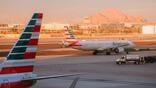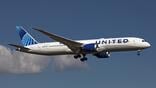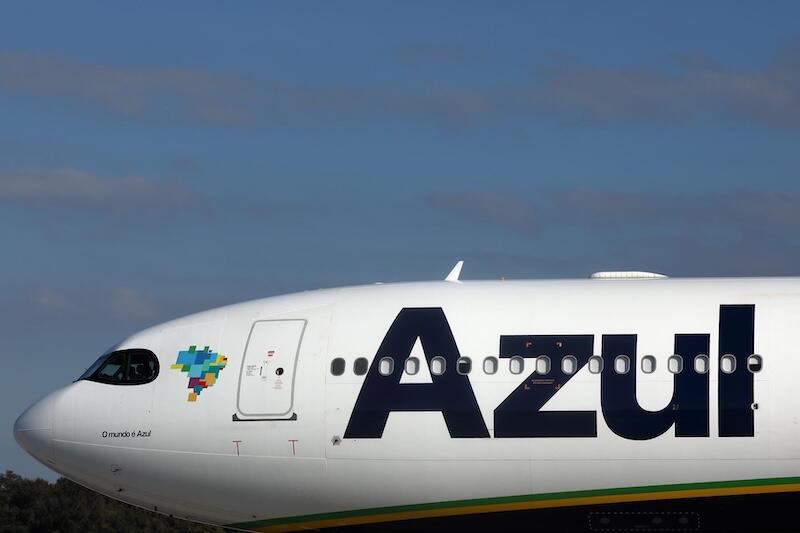
Azul Brazilian Airlines CEO John Rodgerson said a key component of its just-completed Chapter 11 bankruptcy restructuring was American Airlines and United Airlines each investing $100 million in the carrier.
Azul entered the Chapter 11 process in May 2025 and exited in February, completing a relatively fast bankruptcy restructuring that was needed to unload a huge debt burden accumulated through the COVID pandemic and subsequent years. Speaking March 4 at the Routes Americas 2026 conference in Rio de Janeiro, Rodgerson said Azul was “swimming with a piano on our back” and had to reorganize to take full advantage of the largest domestic network in Brazil in terms of points served.
Azul’s expansive domestic network—which stretches to 130 destinations—is operated with a combination of ATR turboprops, Embraer E170s and Airbus A320s. In terms of domestic seats, LATAM Airlines Brazil has a leading 38% share, followed by GOL Linhas Aéreas at 33% and Azul at around 29%.
During the bankruptcy process, Azul received $850 million in new equity investments and cut its debt and lease obligations by $2.5 billion. Nearly a quarter of the equity infusion came from U.S. rivals American and United.
Both American and United pledged financial support to Azul when it sought creditor protection in May 2025. “I think a cool thing about our restructuring process is we brought in two of the largest airlines in the world,” Rodgerson told the Routes Americas audience. “Both [American and United] decided to invest in Azul. If you think it's a healthy competition in Brazil between ourselves, GOL and LATAM, just open the papers and see what these guys think of each other in the U.S, and you'll see it's a pretty amazing feat that we were able to bring both of them into our balance sheet.”
Collaboration with American in a “strategic partnership” is under antitrust review by U.S. regulators. Rodgerson is confident Azul will be able to codeshare with the Dallas/Fort Worth-based airline. Azul already codeshares with United.
No Mergers
During the bankruptcy process, Abra Group—the holding company that controls Colombia’s Avianca and GOL—engaged in discussions with Azul about a potential Azul-GOL merger to create a Brazilian airline that would have catapulted past LATAM to be the leading operator in the domestic market. GOL emerged from a Chapter 11 restructuring last year.
The Abra-Azul talks ended in September 2025 without a deal, and GOL and Azul also terminated a brief codeshare relationship that had started in May 2024.
According to Rodgerson, a merger is no longer on Azul’s radar. “Consolidation is not in our plans,” he said. “We’re not talking to anyone. We’re playing the long game. It’s not core to anything we’re thinking.”
The Azul CEO said the carrier’s restructured balance sheet gives it a real chance to successfully compete independently.
“I’ve lived six years of hell,” he said, referring to the 2019-25 period. “We were incapable of delivering expectations because of our financial burdens.” But Azul is now in position “to get our mojo back,” Rodgerson said.
“I couldn't be happier that we just exited Chapter 11 in a very, very strong position with a strong balance sheet,” he said. “So, we're very excited. Brazil has enormous challenges, but enormous opportunities, and we see a lot of room to continue to grow in Brazil.”

Related Content