Belfast City Airport (BHD) is seeking approval to increase its annual flight movement limit by more than a quarter as part of plans to accommodate 7 million passengers annually by 2040.
The airport wants to raise the number of movements by 27%, to 61,000 from 48,000 per year, as well as extend scheduled operations by one hour to 10:30 p.m., while retaining the existing no-fly period between midnight and 6:29 a.m. It says the additional movements could be accommodated within its existing noise-contour limit and environmental controls.
The proposed operational changes accompany a potential £200 million ($273 million) private investment in expanded passenger facilities, new airfield infrastructure and improved ground access. No extension to the airport’s existing 6,001-ft. runway is planned.
BHD has submitted Proposal of Application Notices to Belfast City Council and Ards and North Down Borough Council, beginning consultation on its draft infrastructure proposals. Formal planning applications are expected later this year, subject to feedback.
The movement limit and operating-hour changes will be considered separately by Northern Ireland’s Department for Infrastructure as proposed amendments to the airport’s Planning Agreement. BHD plans to undertake a voluntary public consultation on those changes alongside consultation on its infrastructure plans.
“Extended operating hours and increased annual traffic movement limits are critical for Belfast City Airport to be able to meet the forecast increase in demand for air travel and enable it to unlock the associated benefits, including increased connectivity to the UK and Europe,” CEO Matthew Hall says.
The proposals form part of the airport’s Master Plan 2040, which forecasts that Northern Ireland’s airports will need to accommodate up to 21 million passengers annually within the next 15 years. BHD expects its share to reach 7 million.
OAG Schedules Analyser data shows the airport is offering about 951,900 departure seats during the summer 2026 season, up 15% from 828,000 a year earlier. However, its network remains heavily concentrated on domestic connectivity, with UK routes accounting for more than 95% of scheduled capacity.
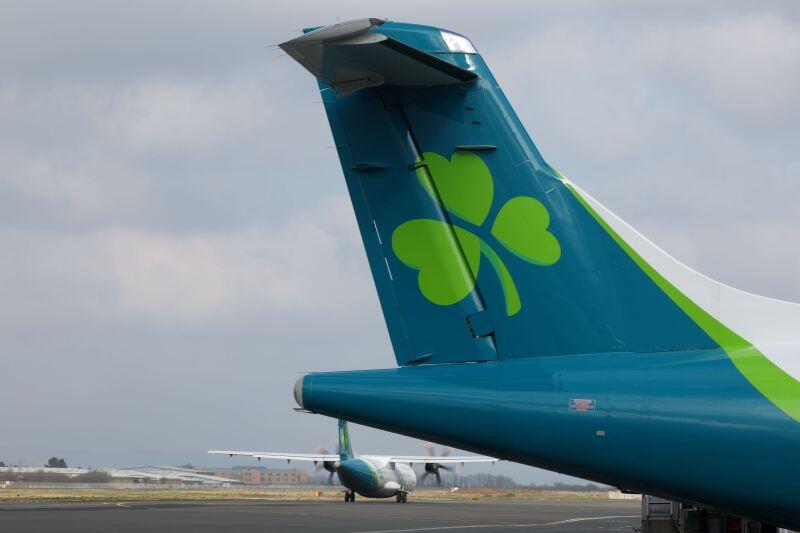
Aer Lingus Regional remains the largest operator at BHD, providing 362,100 departure seats and accounting for 38% of capacity. Its offer has increased 17.7% year over year. EasyJet is the second-largest airline after expanding capacity by 39.5% to 294,900 seats, while British Airways accounts for 25.4%, although its offer has fallen 5.2% to 242,100 seats. KLM Airlines has 3.9% and Loganair 1.7%.
In the wider Belfast market, capacity from BHD and Belfast International Airport totals 3.5 million departure seats in summer 2026, up 5.2% year over year. BHD, which is owned by a fund managed by private equity firm 3i, accounts for 26.9% of that capacity.
The infrastructure proposals include terminal expansion, new aircraft stands and other airfield facilities, a multimodal forecourt, additional parking and complementary developments that could include a hotel. They would also safeguard space for a pedestrian connection to a potential future rail halt serving the airport.
BHD says the rail project, which is being explored with public transport operator Translink, could make it the first airport on the island of Ireland to have a direct rail connection.
If delivered, the airport estimates the masterplan could generate an annual £1.7 billion contribution to Northern Ireland’s economy and support more than 23,000 jobs across the region.
“These draft infrastructure proposals have been designed to support the airport’s growth in a way that is balanced and mindful of our surroundings and, importantly, do not include any extension to the existing runway,” Hall says.

Related Content