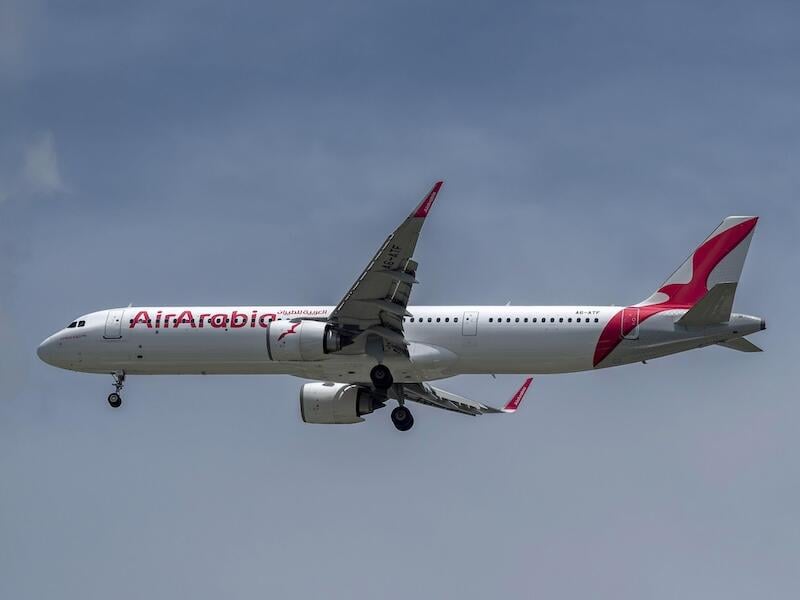
Air Arabia is set to expand its European footprint this winter with the launch of new routes to the Czech Republic, Germany and Poland from its Sharjah hub in the United Arab Emirates.
Service to Prague will begin on Dec. 4 with four weekly frequencies, followed by the start of daily flights to Munich—the airline’s first German destination from the UAE—on Dec. 15. Daily service to Warsaw Modlin will commence shortly after on Dec. 20. All three routes are currently unserved.
The additions will increase the LCC’s European network to 19 destinations for the winter 2025-26 season, joining existing points including Athens, Krakow, Milan Bergamo, Vienna and Warsaw Chopin. The airline also flies to six cities in Russia.
The Munich route marks Air Arabia’s strategic entry into the German market which adds new competition on the UAE–Munich corridor. The market is currently served by Emirates from Dubai International Airport and Etihad Airways from Abu Dhabi’s Zayed International Airport, both operating up to two daily flights.
Air Arabia’s new Sharjah–Munich service will provide a lower-cost alternative for travelers between the regions—particularly for outbound tourists heading to Dubai, as Sharjah International Airport is located just 19 mi. (31 km) from the city.
“Munich stands as one of Germany’s leading economic and cultural centers, offering strong appeal for both business and leisure travelers,” Air Arabia Group CEO Adel Al Ali says.
Air Arabia’s entry into Warsaw Modlin—its second airport in the Polish capital after Chopin—reflects the airline’s broader strategy of targeting secondary airports that offer lower operating costs, greater slot availability but still access to major urban centers. The Prague route complements this approach by further strengthening the carrier’s footprint in Central Europe and tapping into growing demand for leisure travel between the region and the Gulf.
These network additions come as Air Arabia prepares to increase capacity on its European routes from Sharjah International Airport by 19% this winter compared to the 2024–25 season, building on growth of about 30% already recorded during the summer 2025 schedule.