Africa’s aviation sector is experiencing its fastest expansion in years, according to a new white paper released by the African Travel and Tourism Association (ATTA).
The report, Africa in the Air, based on data from aviation analytics firm OAG, reveals that of the 182.4 million seats scheduled between January and October 2026, 129.5 million are allocated to international routes—an 18.6% increase compared with the same period last year.
In contrast, intra-African and domestic capacity grew by 3.3%, reaching 52.9 million seats.
The growth comes amid heightened geopolitical tensions, including renewed conflict in the Middle East that has disrupted established flight corridors and restricted access to parts of Gulf airspace.
ATTA suggests Africa’s geographic position could increasingly position East and Southern African hubs as strategic alternatives linking Asia, Europe and the Americas.
“As airlines reassess corridor resilience, Africa’s expanding hubs, especially Addis Ababa, Nairobi and Johannesburg, offer both short-term and long-term options,” ATTA CEO Kgomotso Ramothea said.
Regionally, North Africa remains the continent’s largest aviation market, with 71.1 million departure seats scheduled, a 10.7% year-on-year increase.
Southern Africa recorded 35.5 million seats, up 19.1%, while Central and West Africa remained largely flat at 29.2 million seats.
Egypt continues to dominate as Africa’s largest aviation hub, with 30.9 million departure seats, up 12.6%. South Africa recorded 26.8 million seats, a 19.6% increase, while Morocco posted 22.5 million seats, reflecting a 21.8% rise.
However, East Africa is emerging as the fastest-growing region, with departure seats jumping 24.3% to 46.5 million.
Ethiopia stood out with the fastest growth, surging 31.2% to 17 million seats, while Kenya recorded 10.2 million seats, up 22.3%.
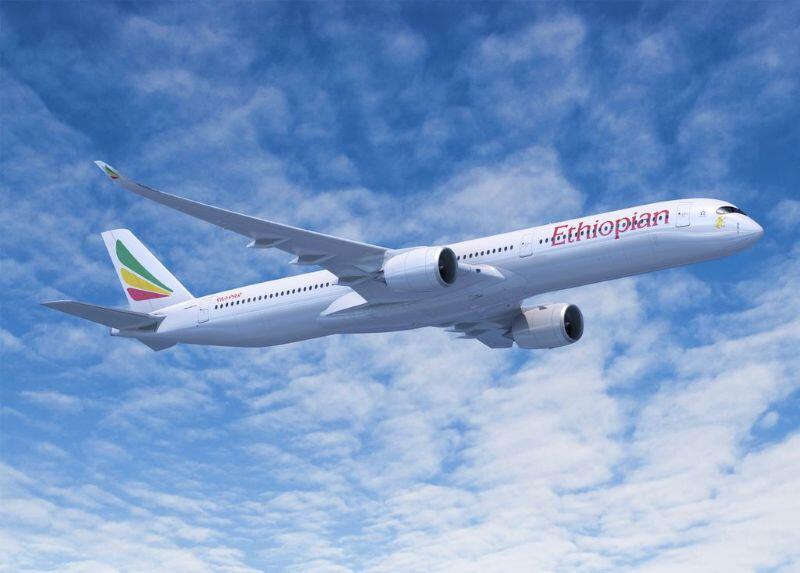
Ethiopian Airlines maintains its status as Africa’s largest international carrier, scheduling 23.8 million departure seats during the period.
Ramothea described East Africa as “where the energy is right now.”
Western Europe remains Africa’s largest inbound market, accounting for 44.2 million seats through October 2026.
The report showed North African destinations have particularly benefited from proximity to Europe and the expansion of LCCs.
Despite the positive trends, challenges remain. Ramothea told Aviation Week that visa restrictions, limited intra-African connectivity, and airport infrastructure constraints are significant barriers.
“Many airports operate at or beyond capacity, lacking modern air traffic control systems or seamless transfer facilities,” she said.
Nevertheless, investment is accelerating, with Ethiopia’s Bishoftu International Airport slated to open in 2030 with a 60 million passenger capacity. Meanwhile, Angola’s Agostinho Neto International Airport commenced international operations in 2025, and major upgrades are underway in Morocco, Rwanda and South Africa.
With passenger numbers projected to reach 345 million annually by 2043, Ramothea said that if investment in aviation continues alongside progressive visa policies and collaborative marketing, Africa “can remain the fastest-growing tourism region well into the future.”

Related Content