
Uncrewed Cargo eVTOL
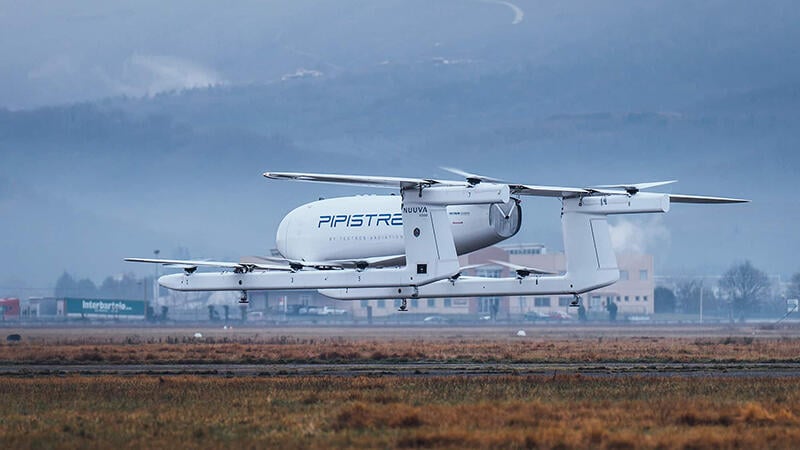
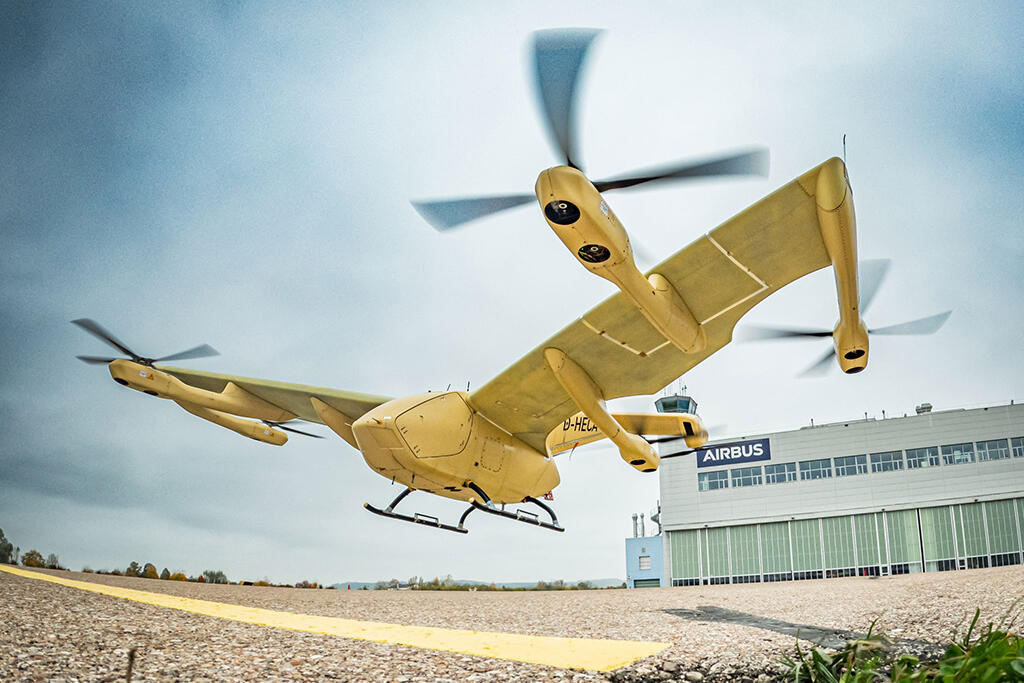
Pipistrel conducted the first hover flight of its prototype Nuuva V300 hybrid-electric uncrewed cargo eVTOL in January, and parent company Textron eAviation publicly debuted the vehicle at the Paris Air Show in June. Initial hover envelope expansion flights are all-electric, with a hybrid-electric second prototype planned to fly by year-end.
Diamond Integrates Volocopter
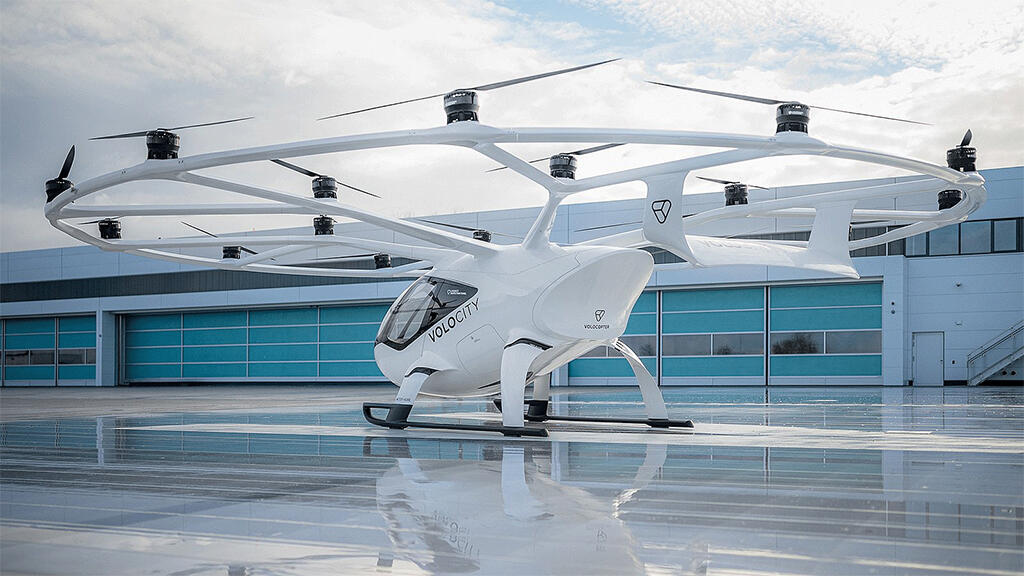
Chinese automotive supplier Wanfeng acquired German startup Volocopter from insolvency in March, bringing the eVTOL pioneer into subsidiary Diamond Aircraft. Volocopter is continuing development of the two-seat VoloCity but has added the VoloXPro personal eVTOL based on its 2X prototype.
Lilium Exits the Scene
Lilium became the first major casualty in the eVTOL industry in February when funding ran out and a financial rescue bid failed. In October, Archer won the bidding to acquire Lilium’s patent portfolio for $21 million. Unsuccessful bidder Ambitious Air Mobility Group later invested in Czech eVTOL startup Zuri.
UAE Joins eVTOL Club
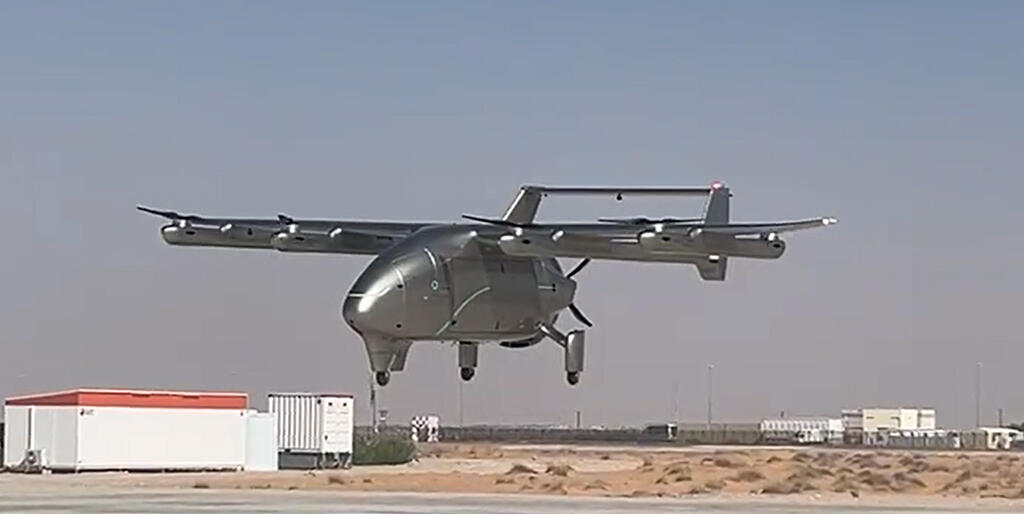
The United Arab Emirates (UAE) has become a magnet for the eVTOL industry with its forward-leaning stance on commercial air taxi services. But the UAE also wants to be an industrial player. Abu Dhabi-based Lodd conducted the first hover flight of its Hili hybrid-electric uncrewed cargo eVTOL on Nov. 13. The Hili is designed to carry a 250-kg (550-lb.) payload about 300 km (185 mi.) and targets the middle-mile logistics market.
Beta Goes Public
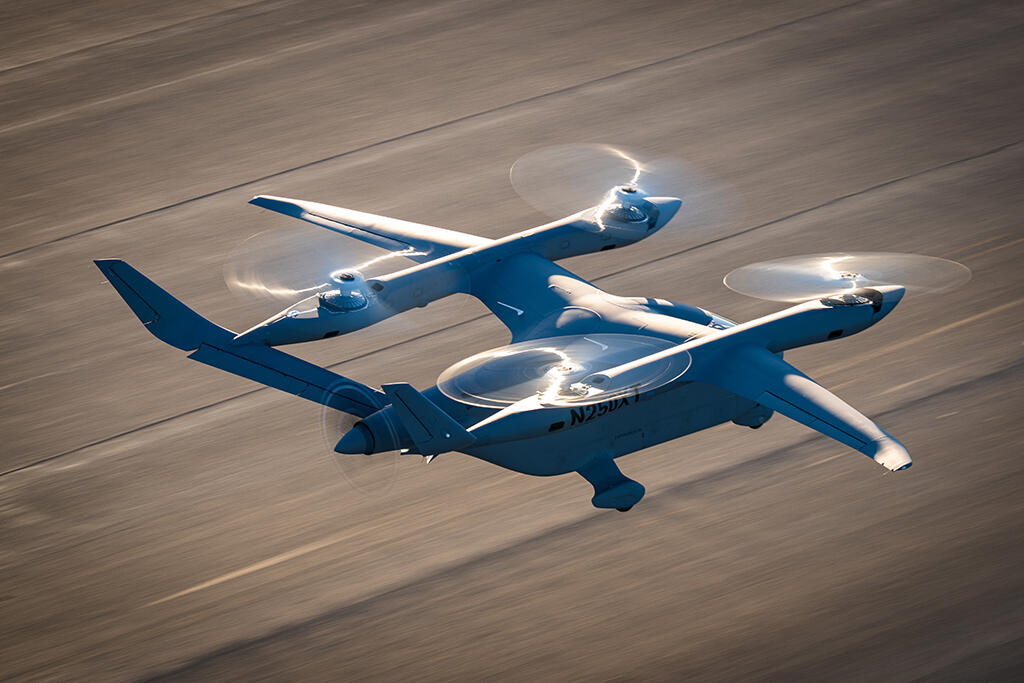
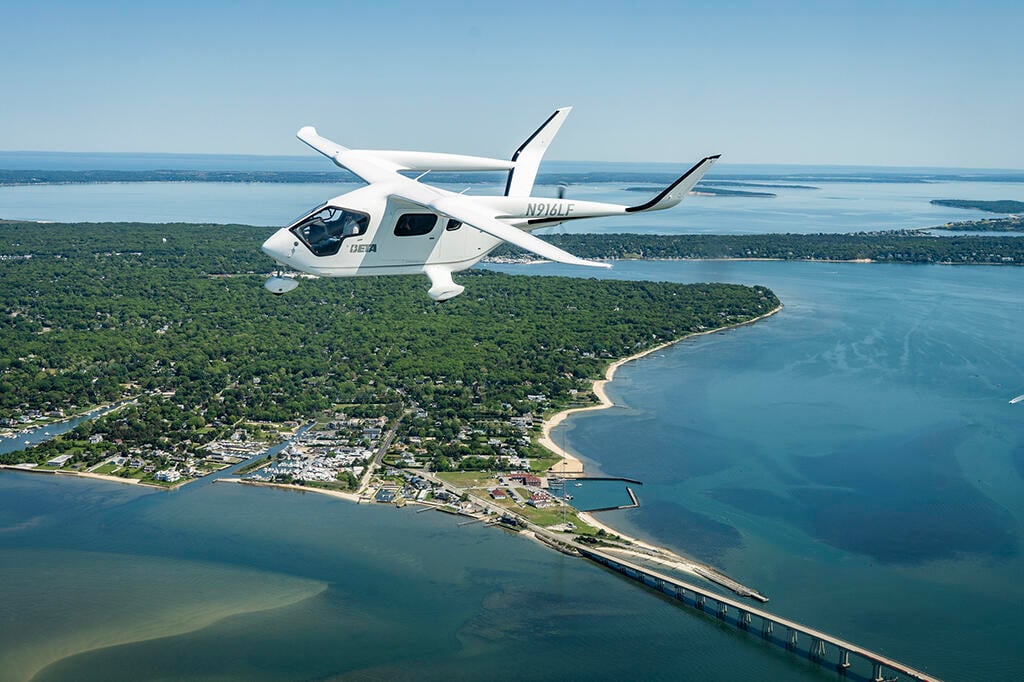
Electric aircraft developer Beta Technologies listed on the New York Stock Exchange on Nov. 4 after an initial public offering that raised more than $1 billion. The startup expects to certify its first electric motor early next year and its conventional-takeoff-and-landing CX300 Alia electric aircraft around the end of 2026, with the vertical-takeoff-and-landing A250 Alia and autonomous hybrid-electric MV250 variant to follow.
Stop-Work Orders
The year was one of setbacks as well as progress for the eVTOL industry. In January, Airbus paused the CityAirbus NextGen program, citing battery performance issues. Hyundai followed in September, pausing work at its Supernal subsidiary to rethink its approach to the market. And Textron eAviation halted work on its Nexus eVTOL demonstrator to focus on other priorities.
Joby Flies Hybrid-Electric
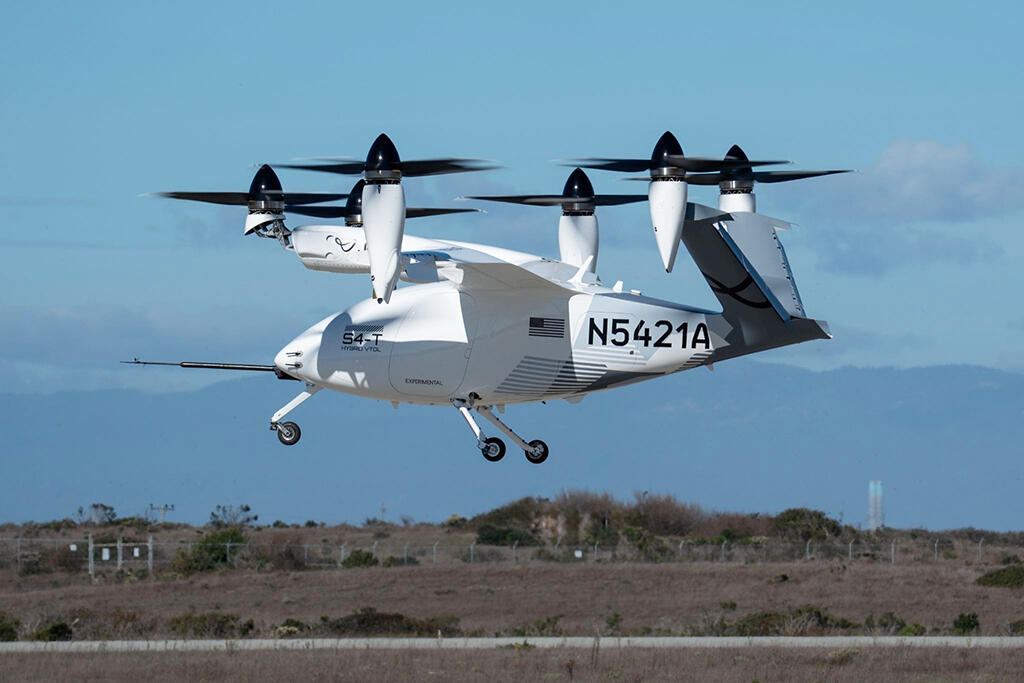
Joby Aviation in August partnered with L3Harris Technologies to develop an autonomous hybrid-electric version of its S4 tiltrotor eVTOL air taxi for the defense market. A modified S4 prototype, equipped with a turbine-based hybrid powertrain and designated the S4-T, made its first flight on Nov. 7.
Electric Airport Arrival
The first passenger-carrying electric aircraft landed at a major U.S. airport on June 3, with Beta Technologies’ CS300 Alia arriving at JFK International Airport with a pilot and four passengers on board. The CX300 also began cargo trails with Bristow and Norway and in-country test flights with Air New Zealand.
Archer Midnight on the Wing
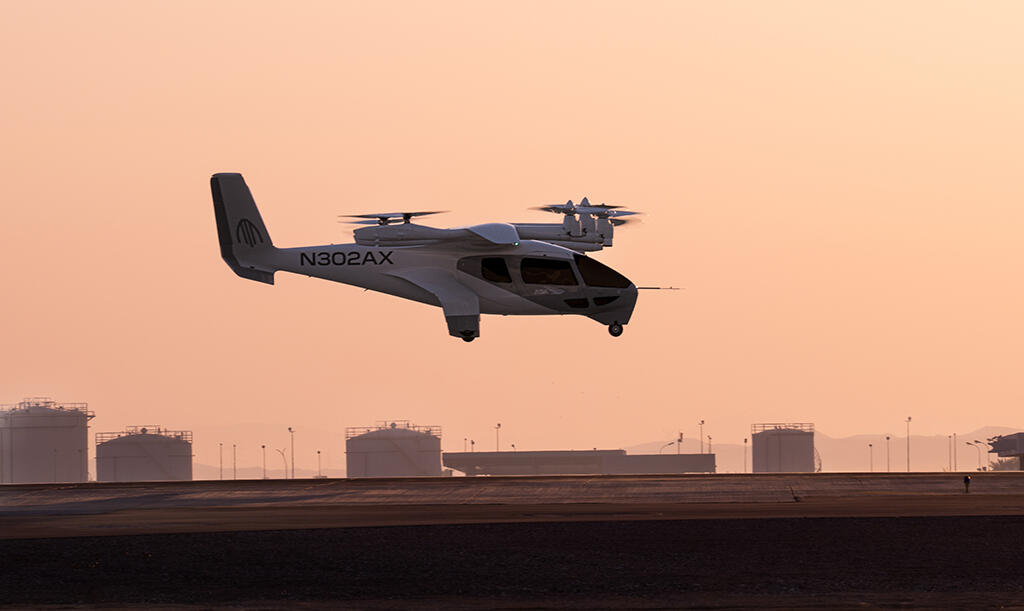
Archer Aviation completed the piloted first flight of its Midnight eVTOL air taxi May 30, with the prototype taking off and landing conventionally on a runway. An uncrewed Midnight prototype completed test flights in Abu Dhabi—including vertical takeoff, transition and wingborne flight—under its agreement to launch air taxi services in the UAE.
Vertical Unveils Production Valo
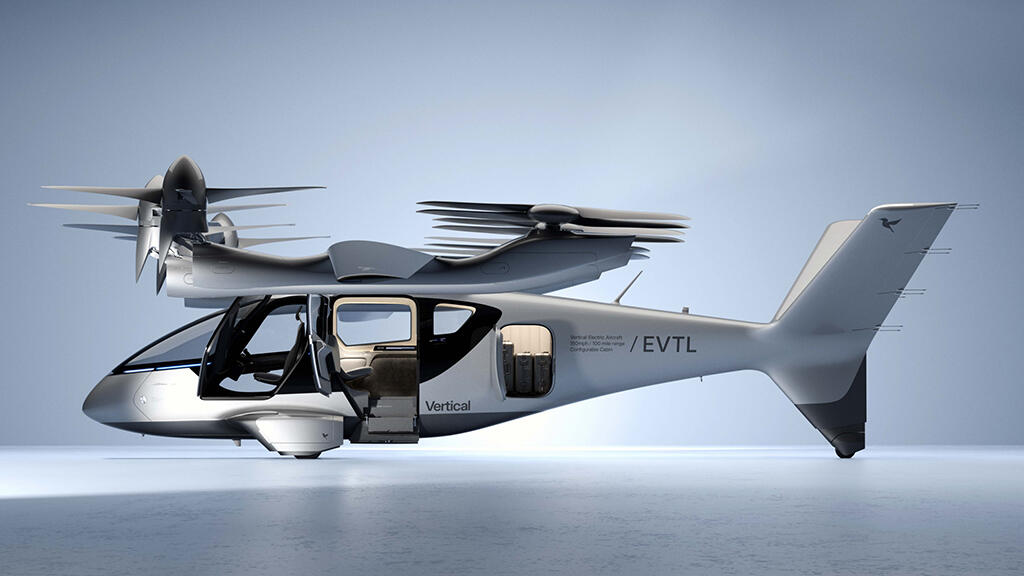
UK startup Vertical Aerospace unveiled a full-scale mockup of its Valo production eVTOL on Dec. 10, while transition flight testing of its second VX4 prototype progressed. Changes include canted wingtips, redesigned tail to incorporated tailwheel landing gear and battery packs under the fuselage floor, freeing up space to the rear of the passenger compartment for a luggage hold.
Progress may be slower than planned, but progress it nonetheless is, as the nascent advanced air mobility industry in 2025 moved closer to the first electric vertical-takeoff-and-landing (eVTOL) air taxis and cargo aircraft entering service.