
Sustainable Aviation Fuel
With governments and airlines committed to decarbonizing aviation by 2050, innovative solutions are required and sustainable aviation fuels (SAF) could play a major role in meeting targets. IATA estimates that SAF could contribute around 65% of the reduction in emissions needed by aviation to reach net-zero in 2050. This will, however, require a massive increase in production in order to meet demand.
Top Story
Sponsored Content
Latest News On Sustainable Aviation Fuels
Jun 21, 2023
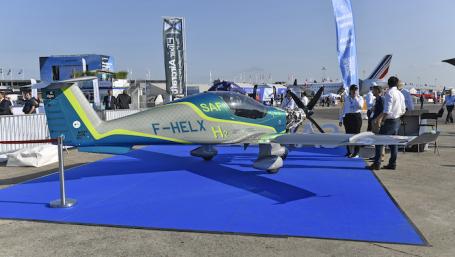
French training aircraft manufacturer Elixir Aircraft plans to fly a turboprop-powered version of its two-seater by year's end.
Jun 20, 2023
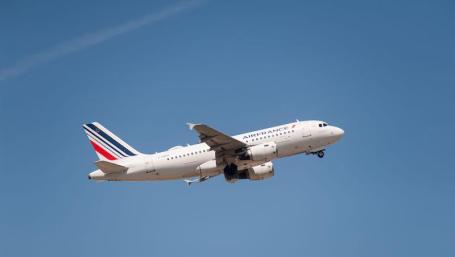
Air France CEO Anne Rigail speaks to ShowNews on the sidelines of the Paris Air Show about sustainable aviation fuel production and cost challenges.
Jun 19, 2023
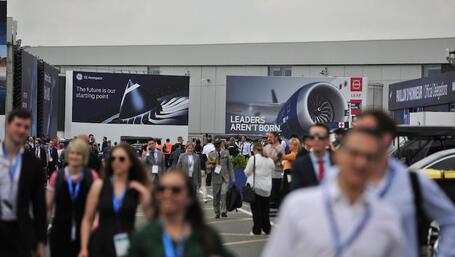
A group of French environmental non-governmental organizations says the Paris Air Show should stop greenwashing and calls for a reduction of air traffic.
Jun 19, 2023
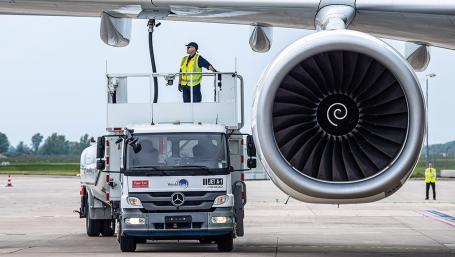
The aviation industry needs its own moonshot to combat climate change.

Jun 17, 2023
The dual-fuel combustor concept is designed to enable current-generation single-aisle airliners to operate on both SAF and hydrogen.

Jun 16, 2023
An airline-government working group has selected two proposals to establish a sustainable aviation fuel (SAF) production facility in New Zealand.

Jun 16, 2023
France’s President Emmanuel Macron has announced a new investment program to boost sustainable aviation.
Jun 16, 2023
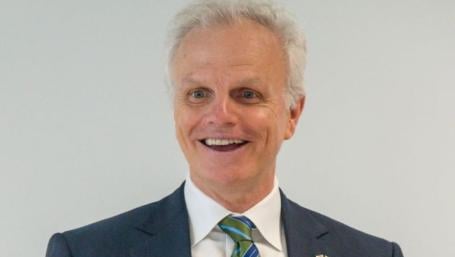
David Neeleman questions investments in sustainable aviation fuel (SAF) as a viable way to move the needle on emissions targets.