Credit: ispace
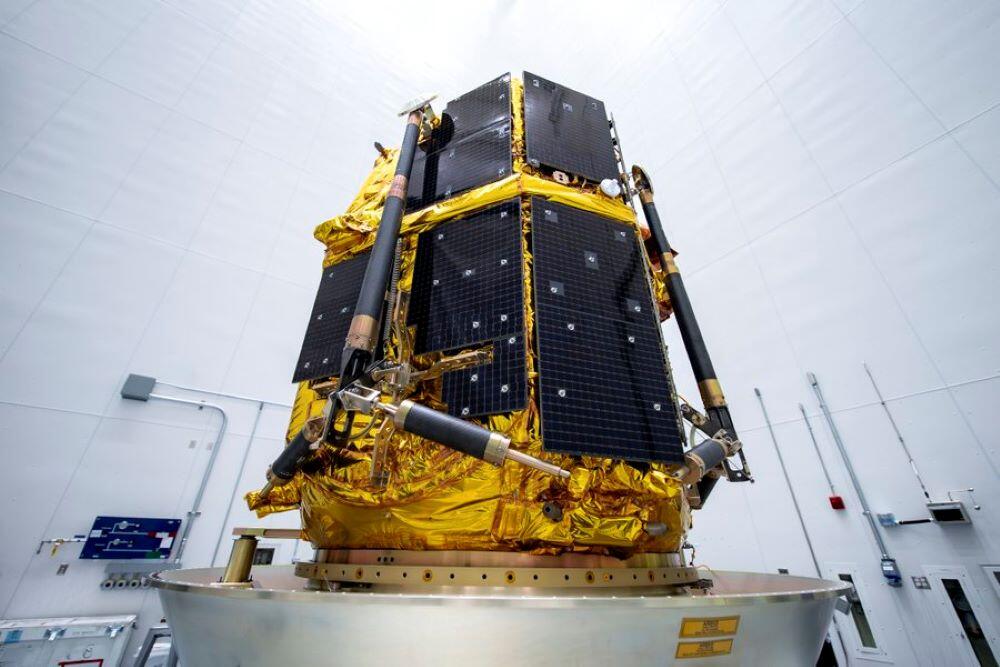
Japan’s ispace failed in its second attempt to land a spacecraft on the Moon June 5, the cause of which has not yet been determined. The Resilience lander completed its landing sequence, but ispace flight controllers were unable to establish communications with the spacecraft. “Mission controllers...

Subscription Required
Japan’s ispace Moon Landing Attempt Fails is published in Aerospace Daily & Defense Report, an Aviation Week Intelligence Network (AWIN) Market Briefing and is included with your AWIN membership.
Already a member of AWIN or subscribe to Aerospace Daily & Defense Report through your company? Login with your existing email and password.
Not a member? Learn how you can access the market intelligence and data you need to stay abreast of what's happening in the aerospace and defense community.
Related Content