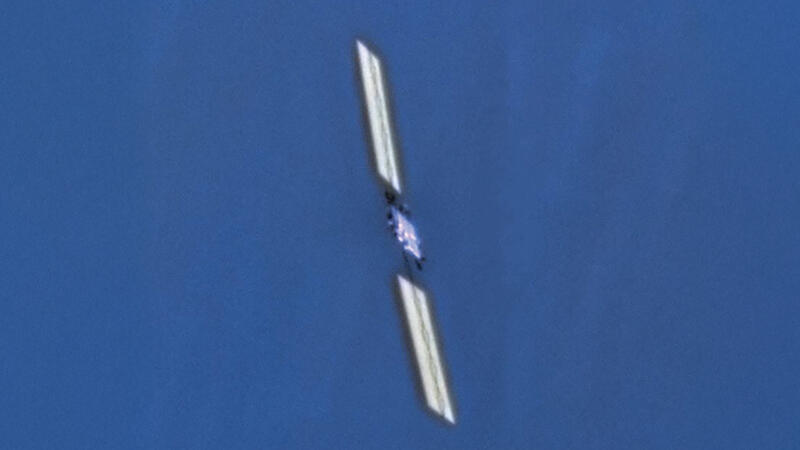
Vantor used its WorldView-2 satellite from 150 mi. to image the Starlink spacecraft that experienced an anomaly on Dec. 17.
Credit: Vantor
The return of the Chinese Shenzhou-20 crew capsule did not unfold as planned. When it touched down in northern China on Jan. 19, it was late, without its three taikonauts and with a cracked window repaired in orbit—another casualty of space debris. The Chinese taikonauts had returned to Earth in...


Space Debris Drives Change In Spacecraft Operations is available to both Aviation Week & Space Technology and AWIN subscribers.
Subscribe now to read this content, plus receive critical analysis into emerging trends, technological advancements, operational best practices and continuous updates to policy, requirements and budgets.
Already a subscriber to AW&ST or AWIN? Log in with your existing email and password.
Related Content