This article is published in Aviation Week & Space Technology and is free to read until May 17, 2026. If you want to read more articles from this publication, please click the link to subscribe.

Opinion: New AMTs Prioritize Positive Workplace Culture

Aviation Institute of Maintenance

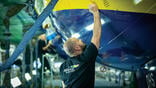
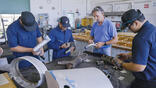
Students at ARSA’s Annual Conference highlighted maintenance culture as a key focus for career satisfaction.

Credit: Aviation Institute of Maintenance

ARSA’s Annual Conference, which wrapped in March, produced a fascinating discussion with Tristan McDonald. A military aviation maintenance technician still serving in the U.S. National Guard while leading the Federal Aerospace Institute in Ohio, McDonald was preparing for his appearance on stage during the symposium portion of the conference.

Attendees are familiar with the conference’s format, which includes an extensive conversation with international regulators, lunch with a special guest—this year, the inimitable John Goglia, former NTSB member and current president of the Aerospace Maintenance Council—­and an afternoon discussion about aerospace career development. McDonald provided on-the-ground experience in that final panel, which also included policy and continuing education perspectives.

The key moment concerned the “benefits” of maintenance employment. McDonald, thinking of cross-training and skill development in repair stations, asked students what they value most about a job. The students acknowledged the paths leading to highest hourly wages but indicated they had another interest: maintenance culture.

Beyond safety focus and quality oversight, the “maintenance culture” of a facility is the environment in which work is performed. The FAA Safety Team’s Human Factors Guide for Aviation Maintenance and Inspection recognizes “environment” as both the “physical workplace and the overall organizational framework within which the aviation maintenance department exists.” The organizational environment includes interpersonal and strategic issues that require ownership not just of oneself but also of one’s effect on others.

The students’ feedback brought the FAA Safety Team’s sterile description to life. In their vernacular, maintenance culture is “the vibe.” From the apparently superficial (playing music in the shop) to the developmentally serious (mentorship relationships with senior personnel), the organizational environment is of greater interest to technicians than pure compensation.

While a career path and income growth are important, new hires do not chase high compensation from the beginning—it ­becomes a fallback from cultural failures.

Put simply: A student committed to aerospace professionalism does not want to work with “pretentious jerks.” Trained to adhere to safety standards, they inherently recognize that safety is supported by good interpersonal management.

What does this mean for those in the aerospace industry? First, recognize what “maintenance culture” is not. It is not about softening standards or lowering expectations. It is an exercise in opening doors and recognizing the remarkable effect an organizational environment has on personal experience—and the direct relationship between personal experience and performance.

Don’t be a jerk. It is OK to blast some music (assuming mitigation of any safety concerns), and it is mandatory to provide mentorship and support. Your newest technicians will value that culture as much as the paycheck.

Brett Levanto is vice president of operations of Obadal, Filler, MacLeod & Klein. He provides strategic and logistical support for the Aeronautical Repair Station Association.