Geopolitical and macroeconomic uncertainties in 2025 slowed some investors, but the fragmented aftermarket will see consolidation grow in 2026 as investors seek to increase scale, close portfolio gaps and expand capacity for MRO providers.
Leveraging Data
Credit: ElenaBs/Alamy
MROs that leverage data analysis and artificial intelligence will streamline turnaround times, manage supply chain constraints better and bridge knowledge gaps for less experienced staff. This is key to addressing capacity and workforce constraints.
Supply Resilience
Credit: Dmitry Rukhlenko/Alamy
Improvements are underway, but because the next several years will likely still include constraints, airlines and MROs are focused on resilience. That can mean holding more inventory, forging new collaborations and bringing new capabilities in-house.
Teardown Pause
Credit: AerFin
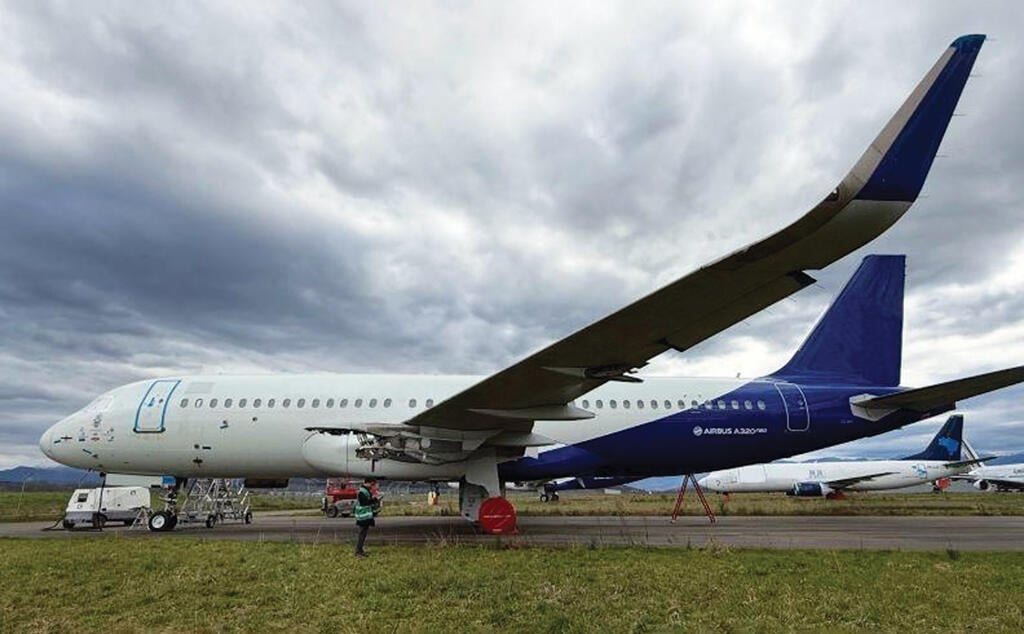
Ongoing engine durability issues will extend into 2027, keeping older aircraft in service, despite the increase in new aircraft deliveries. That will cause operators’ hope for more teardowns to slide to 2027. Expect a similar number of aircraft retirements—600—as in 2025.
Engine Part Costs
Credit: AP Footage/Alamy
Airlines push back on part price escalation from engine OEMs. Given the constrained powerplant market and limited availability of used serviceable material and parts manufacturer approval options for blades, airline costs for engine MRO will increase.
Boeing’s Comeback
Credit: Boeing
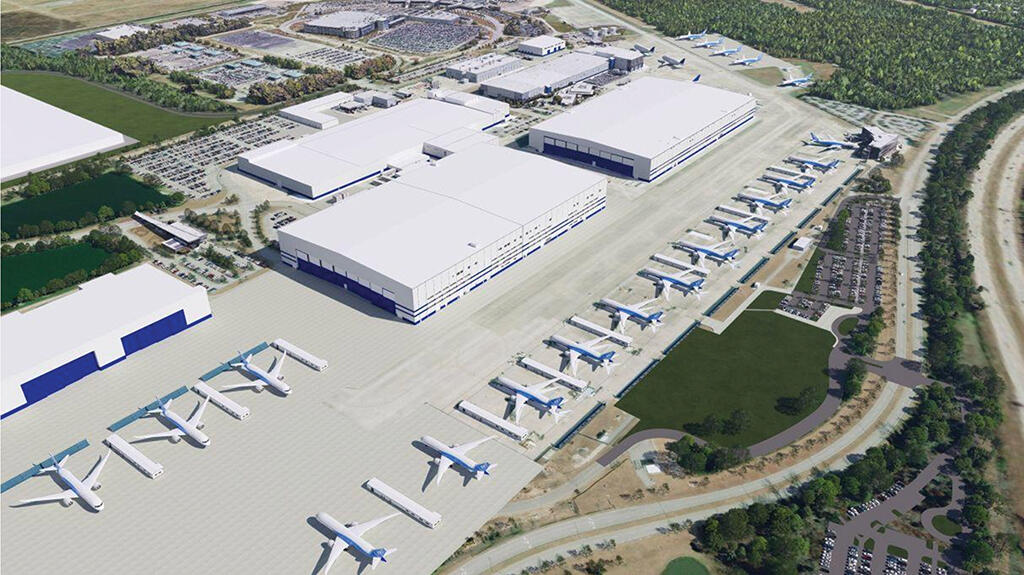
Aircraft production will accelerate, performance targets will improve and aftermarket revenue will grow as internal and external stakeholders gain confidence that the big company has turned a corner.
Connectivity
Credit: Qatar Airways
Demand for the latest inflight connectivity will stay high, so installation services will remain strong. As flyers continue to demand terrestrial-quality Wi-Fi, expect services through low-Earth-orbit satellites to be most popular. Related to this, cabin refresh programs will accelerate.
Airline In-House MRO
Credit: Emirates
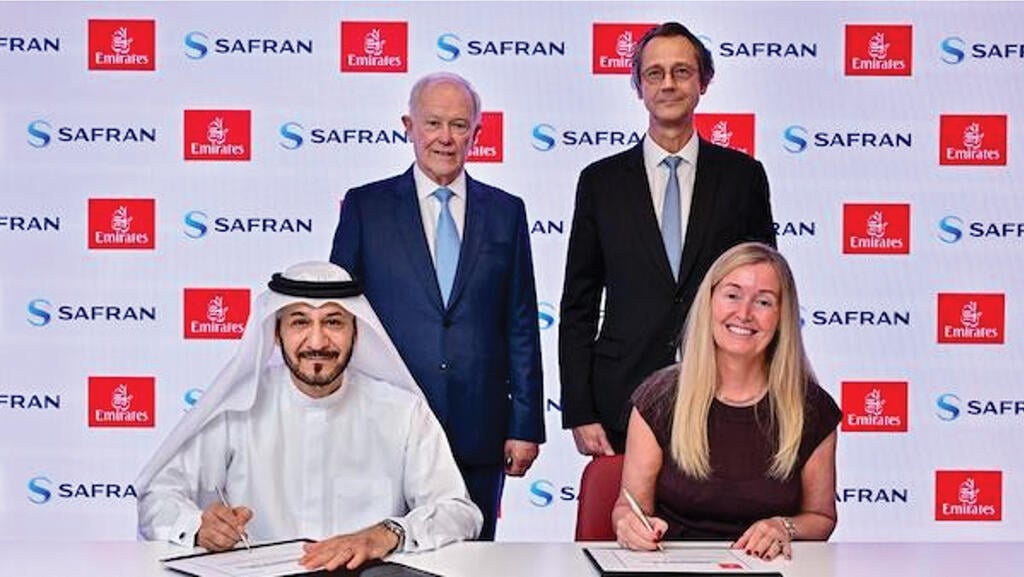
Airlines around the world will build MRO and sometimes limited manufacturing capabilities in-house to enhance operational resiliency. For instance, prolonged supply chain and maintenance capacity constraints recently prompted Emirates to forge deals with Rolls-Royce to undertake Trent 900 repairs and with Safran Seats to manufacture seats in Dubai.
Supply resilience, more in-house and continued high connectivity demand are among the eight trends anticipated for the aviation aftermarket in the coming year.