Until the end of February, most aviation insiders predicted that a combination of supply chain issues and new-engine reliability problems would sustain outsized demand for midlife and older aircraft for at least another two years.
The Iran war threatens to shatter that cozy consensus.
Tensions in the Strait of Hormuz, which may persist even if the war ends tomorrow, have pushed up oil prices 30-40%. Jet fuel prices have almost doubled, putting serious pressure on airline costs.
At ISTAT Americas, analysts have warned that this could lead to a wave of liquidations, while panelists also noted that newer engines’ elevated maintenance costs become less of an issue in a climate of high fuel prices.
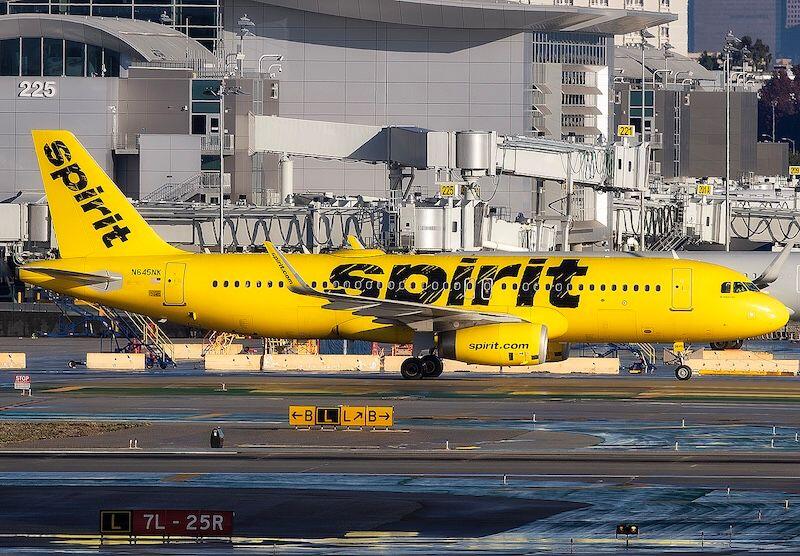
On the wrong side of this equation is newly restructured Spirit Airlines, which has just ditched most of its Airbus A320neo-family aircraft in favor of previous-generation equipment.
Indeed, one analyst questioned Spirit’s viability if fuel stays high. Any failure would push roughly 80 A320ceos onto the market, and more events of that sort could impact values and lease rates.
Addressing investors in 2025, Wizz Air CEO József Váradi noted that at then-current fuel prices—which were relatively low—the economics of the A321ceo and A321neo were similar, or “pretty much a wash.”
However, he also said this only applied to the current maturity of the engine, and that once the upgraded GTF Advantage came out there would be no debate about fuel versus maintenance costs.
Others have warned about a potential bubble in demand for older aircraft and engines. In 2025, consultancy McKinsey said a sudden shift to over-supply could occur through the combination of reckless production increases by OEMs and a global economic recession. McKinsey described the scenario as “plausible and important to contemplate.”
The MRO sector would suffer, it added, noting that a big wave of older aircraft and engine retirements would probably result, removing the most maintenance-hungry part of the global fleet from circulation.
An oil price shock would certainly crimp passenger demand, and while new aircraft production is still lagging—Airbus delivered fewer aircraft in the first two months of 2026 than in the prior-year period—both OEMs are gearing up for big production increases.
McKinsey also argued that the current aircraft supply shortage is probably smaller than some observers might believe. For while there have been roughly 5,000 fewer new aircraft produced than might have been, had output followed pre-pandemic trend lines, not all of those aircraft would have been required given the pandemic’s impact on demand and lower-than-expected retirements.

Related Content