Nacelle MRO Evolution
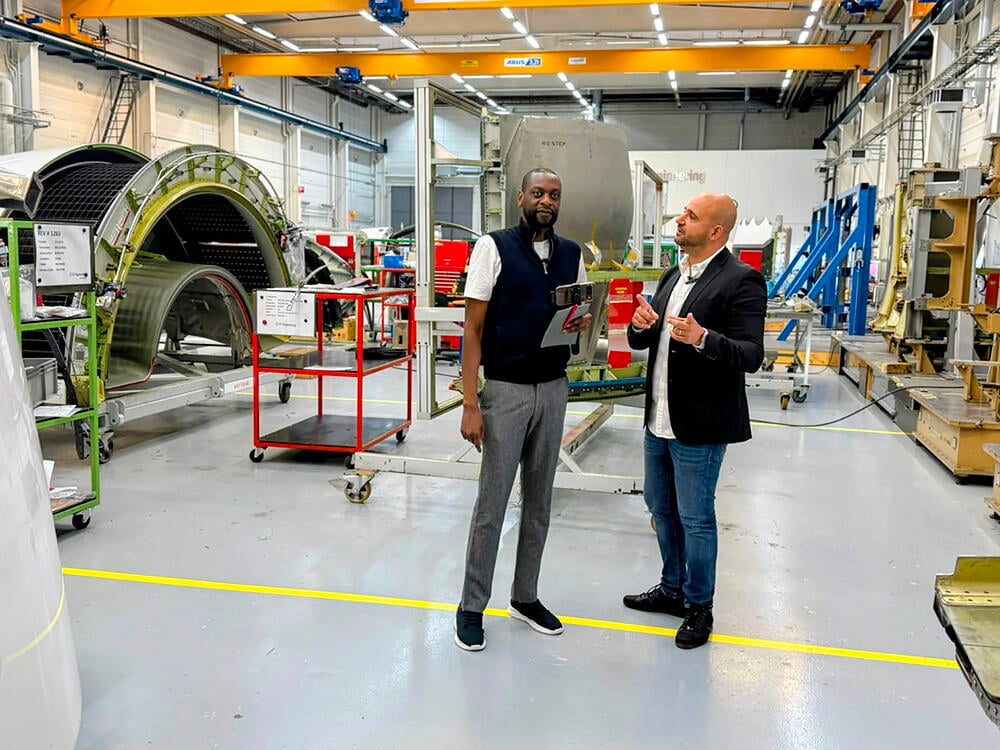
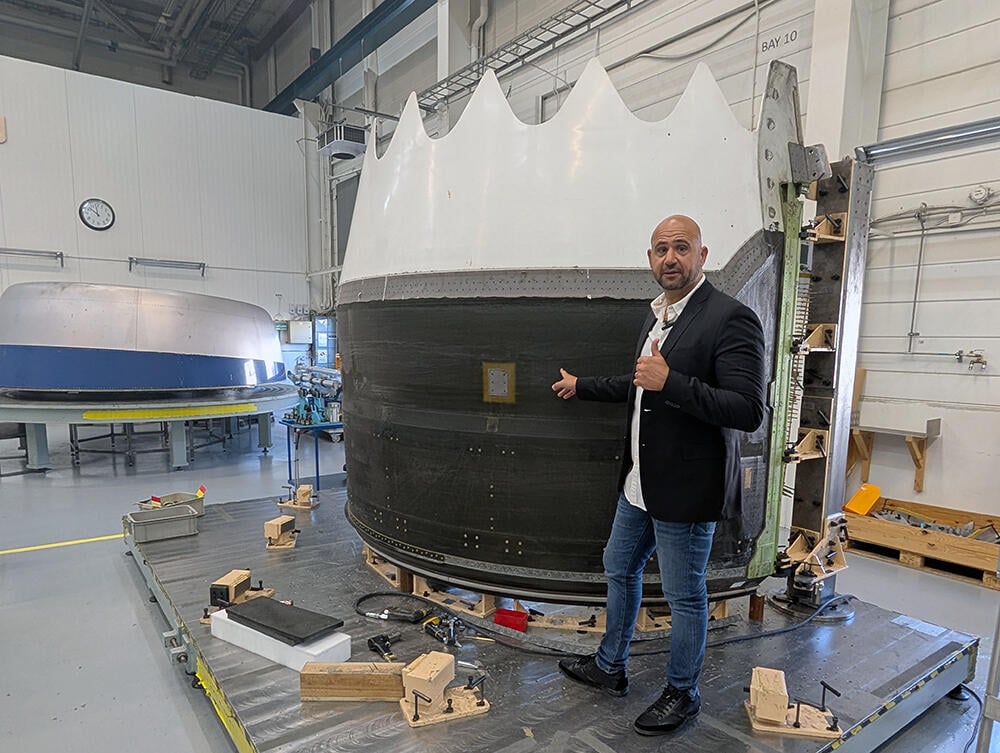
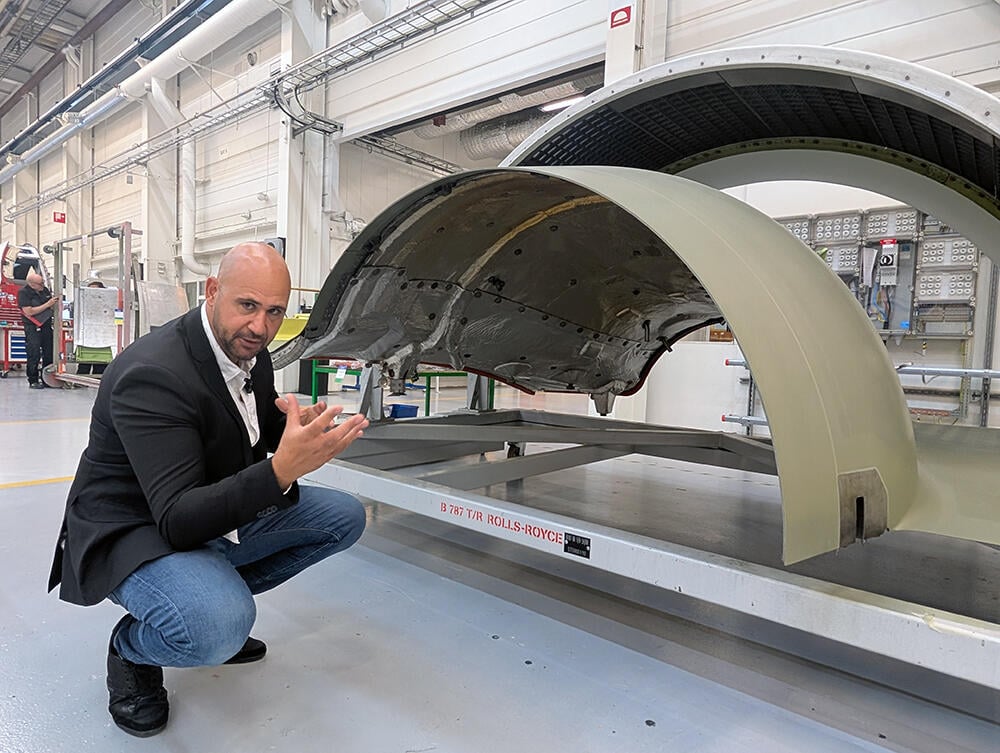
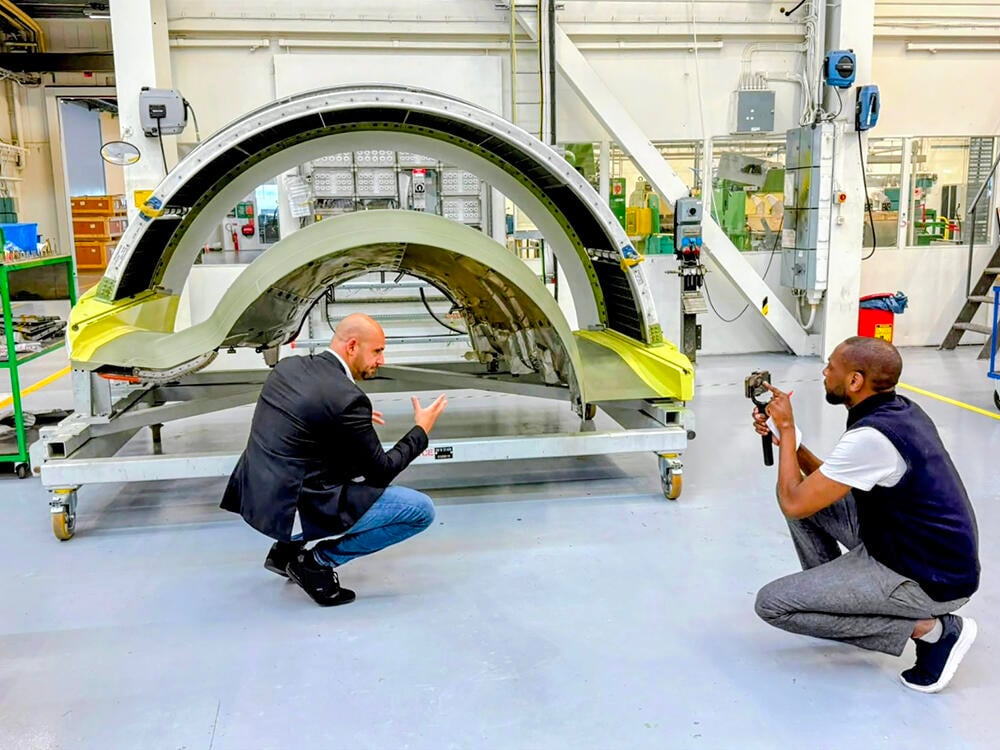
Assad Chamoun, ST Engineering Aerospace Solutions’ vice president for nacelle MRO services EMEA (right), recently gave Aviation Week's Keith Mwanalushi (left) a guided tour of the company's Stockholm facility. Keep reading for a first-hand look at how modern nacelle MRO is executed and how processes and systems have evolved beyond traditional repair models to support current and next-generation engine platforms.
Mature Platforms
ST Engineering continues to support nacelles for aging aircraft, such as the Airbus A300 Pratt & Whitney PW4000-powered fleet. The company says its services help operators extend the service life of mature platforms that face increasing parts availability challenges.
Platform Mix
In addition to newer-generation aircraft, ST Engineering’s nacelle services in Stockholm include the Boeing 787 and Airbus A320neo. The company says its capability mix reflects its role as both an independent MRO provider and an OEM-licensed repair organization.
Assessing Damage
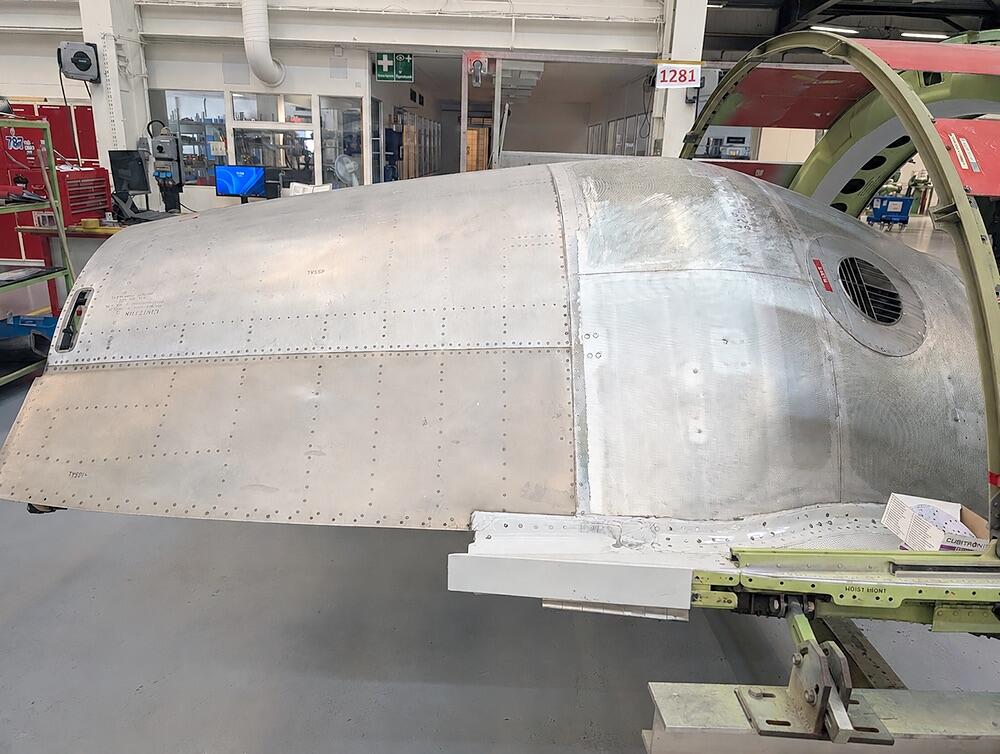
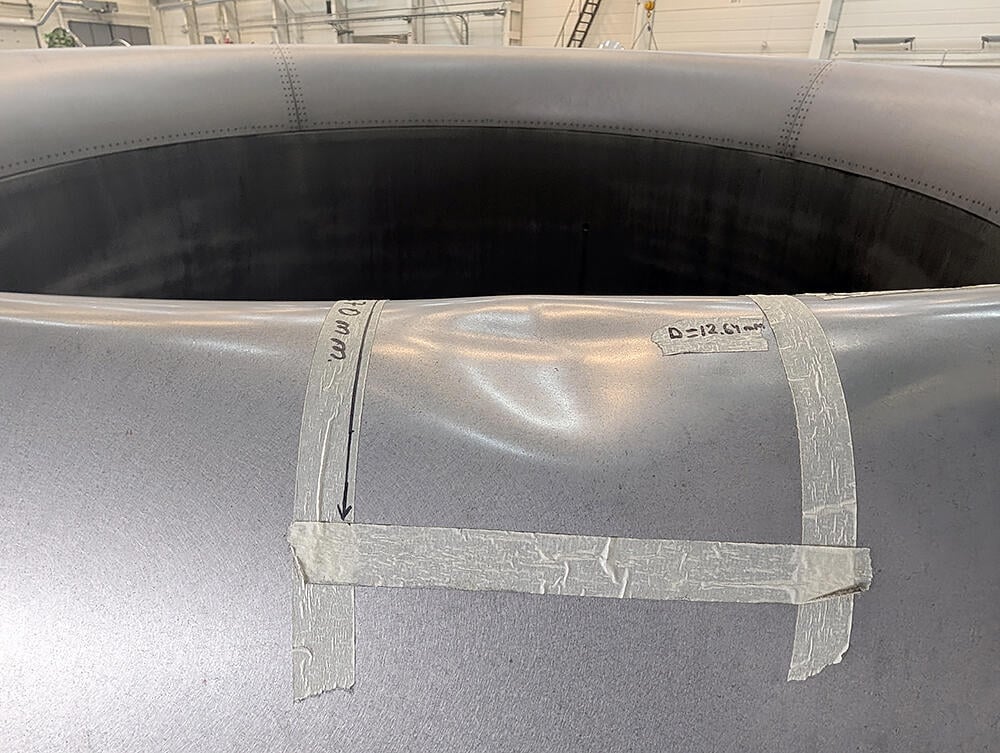
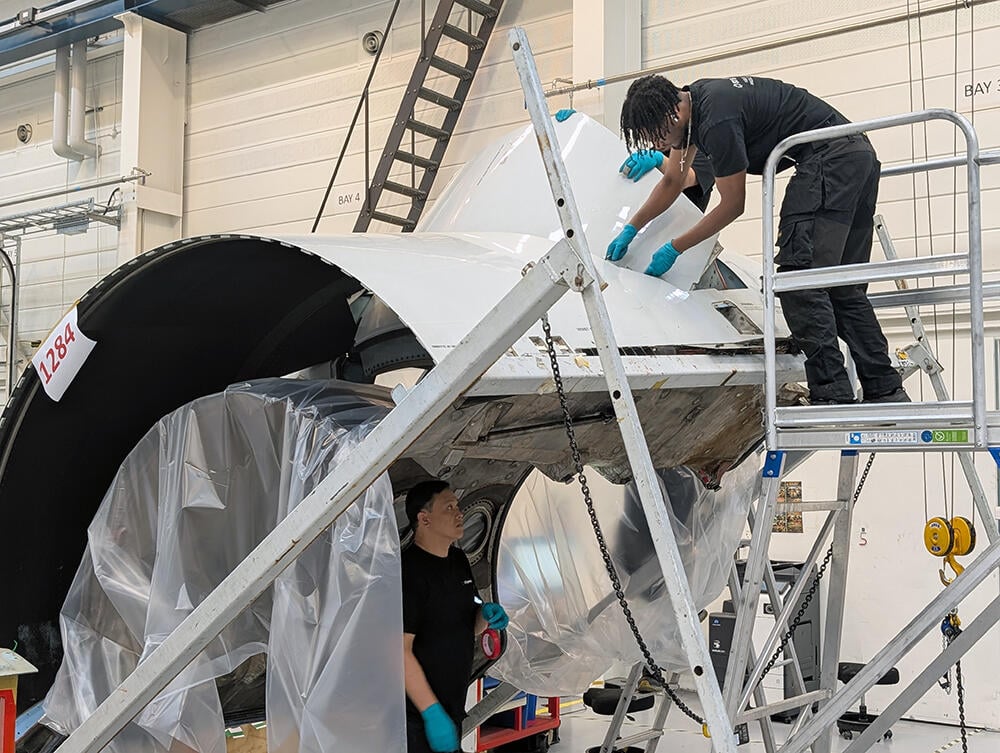
Pictured here is a 787 inlet cowl that was receiving structural assessment following lip skin damage. Inspections must identify hidden damage before repair or replacement.
Specialized Requirements
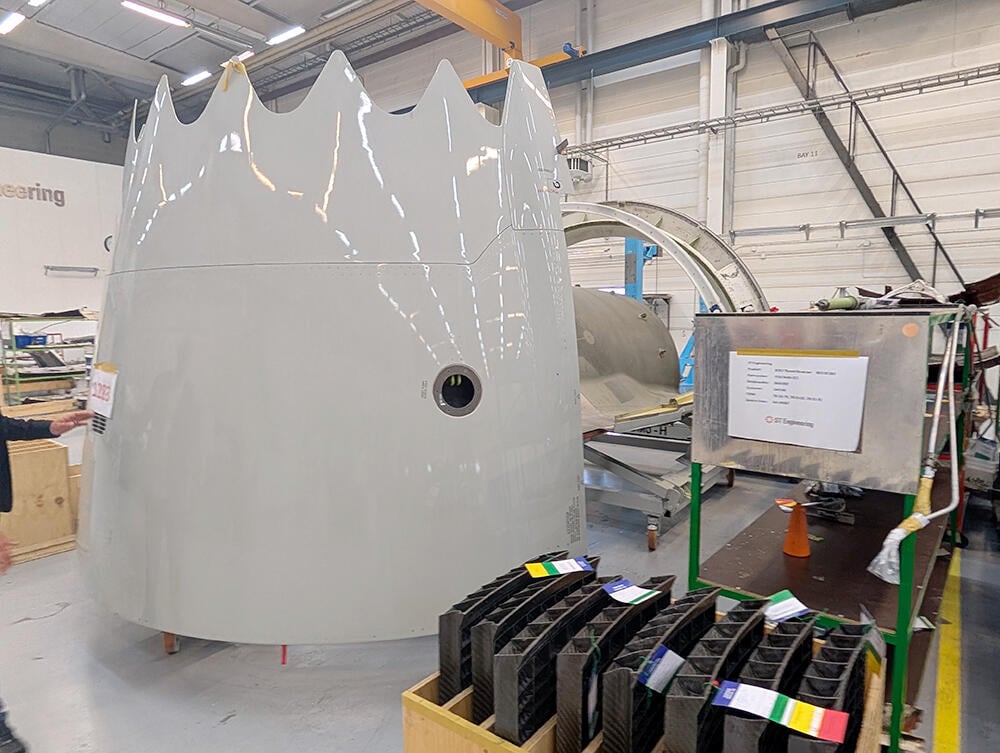
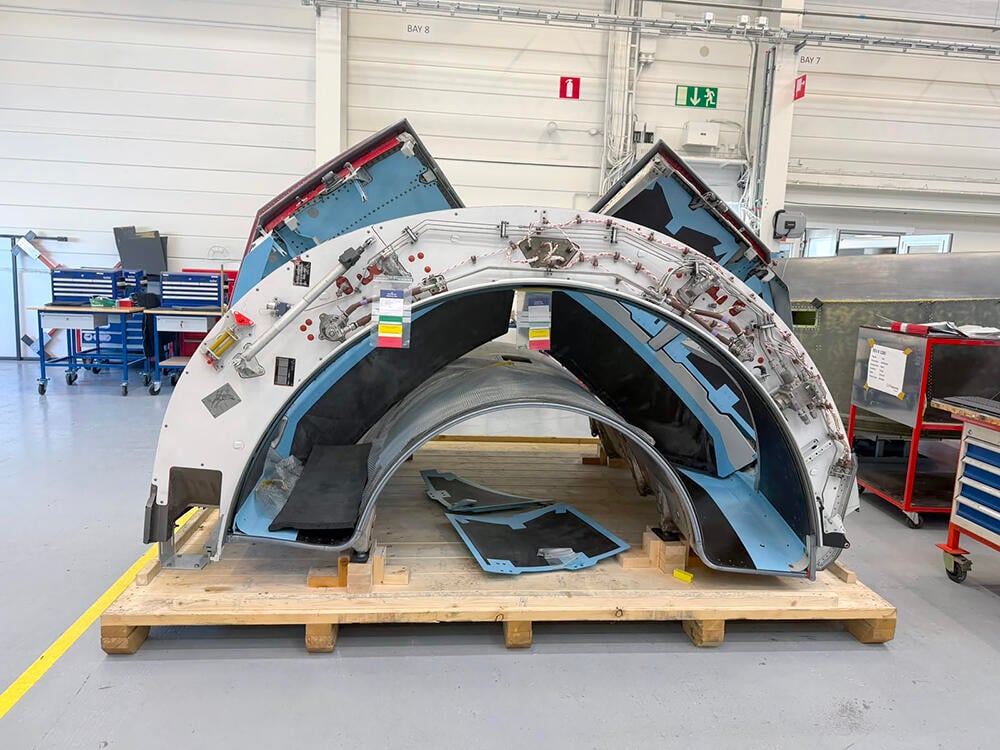
This Rolls-Royce Trent 700 thrust reverser, from an Airbus A330, was undergoing maintenance. The unit features composite structures that require specialized repair capability for advanced materials.
Complex Systems
This Rolls-Royce thrust reverser translating sleeve from a Boeing 787 illustrates the complexity of modern nacelle systems. ST Engineering highlights the tight tolerances involved in replacing acoustic panels.
Dedicated Fixtures
ST Engineering uses dedicated fixtures to remove and reinstall composite structures while maintaining form, fit and function during major repairs.
Restoring Structures
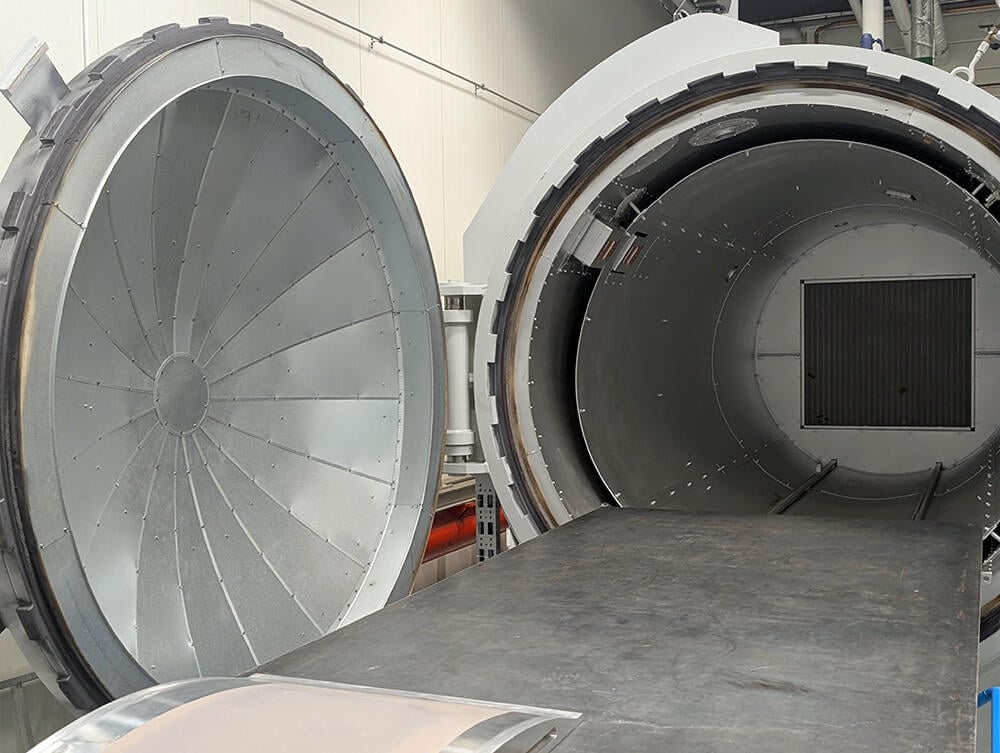
The Stockholm facility uses bond tools and autoclave processes to restore composite structures while preventing deformation during heat and pressure cycles.
Refurbishment Work
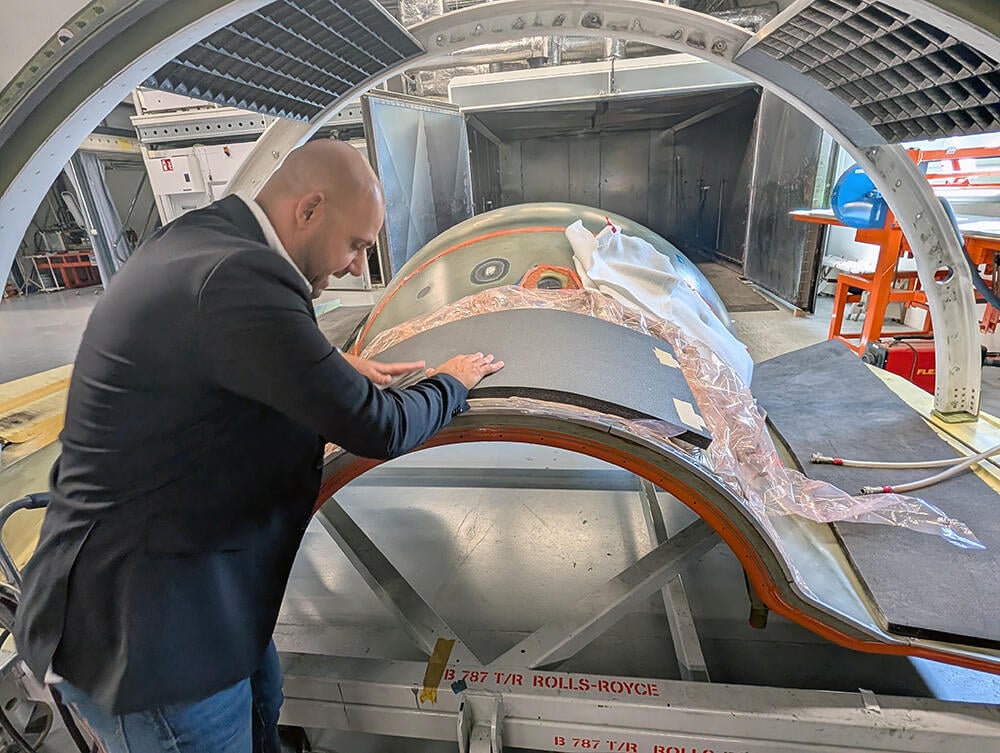
This 787 thrust-reverser heat shield was undergoing refurbishment. Repairs are performed where permitted by OEM limits, with ST Engineering replacing parts when damage exceeds allowable thresholds.
Comparing Data
Chamoun explained that technicians assess corrosion, cracking and material removal limits against approved maintenance data before returning components to service.
Initial Inspection
This Trent 700 thrust reverser was undergoing a receiving inspection. The unserviceable unit will then be transferred to a working fixture for disassembly, cleaning, inspection and evaluation.
Surface Restoration
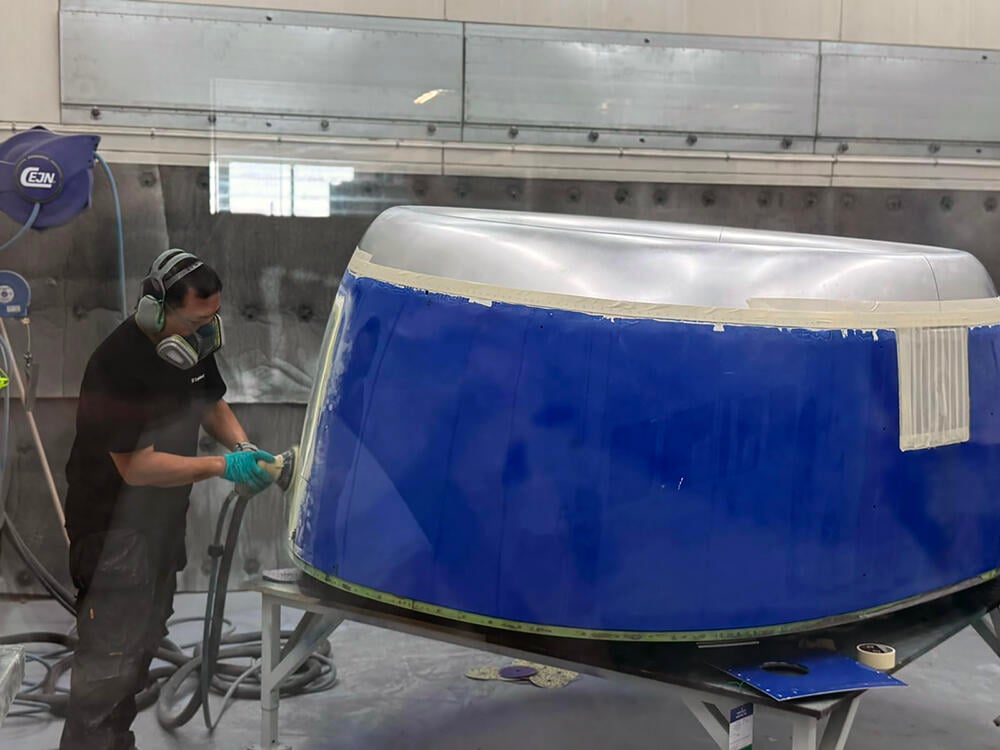
Surface restoration is a key part of nacelle overhaul. Components such as inlet cowls and thrust reverser structures undergo preparation, coating removal and repainting.
Undergoing Expansion
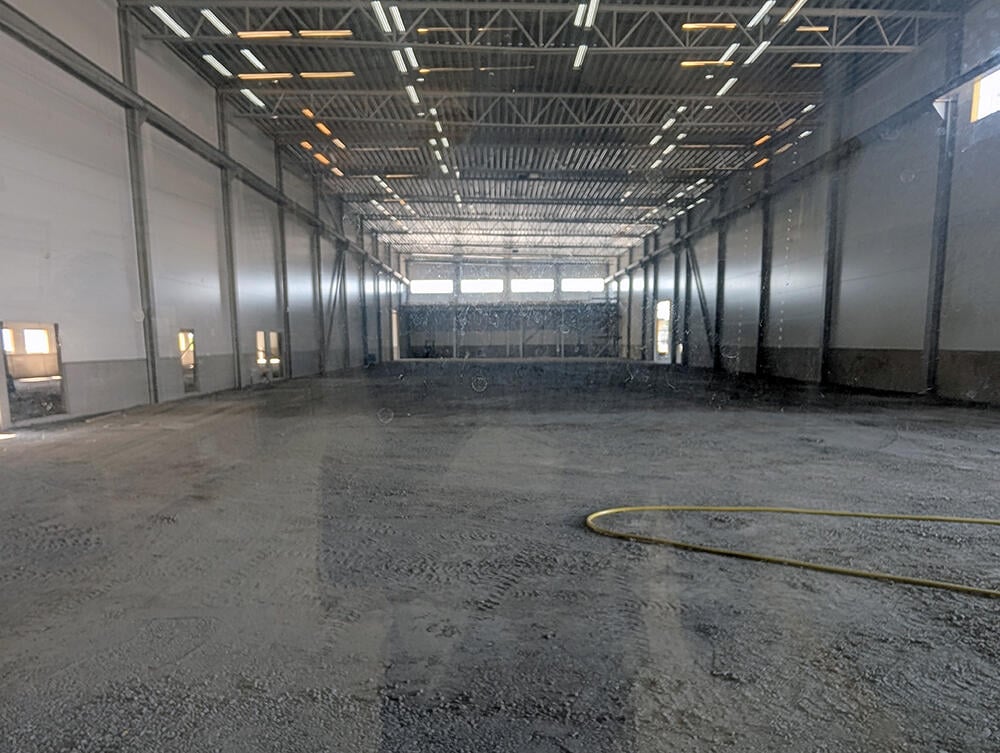
The 15,000 m2 (161,5000 ft.2) Stockholm facility is undergoing a further expansion of approximately 5,000 m2, scheduled for completion in March 2027.
Aviation Week takes a look inside ST Engineering’s Stockholm nacelle MRO facility to see how repairs are evolving for next-generation engine platforms.