This article is published in Aviation Week MRO part of Aviation Week Intelligence Network (AWIN), and is complimentary through Feb 08, 2026. For information on becoming an AWIN Member to access more content like this, click here.
AAR Corp expects to need up to 18 months to wind down work at its Indianapolis heavy maintenance operation and re-distribute the work to other locations in its network, including facilities recently acquired from Haeco Group.
CEO John Holmes suggested the Indianapolis closure, made public in late December 2025, aligns with broader efforts to improve efficiency.
“As a result of our lease agreement with the airport, Indianapolis is our highest-cost location. Additionally, labor availability has been a persistent challenge,” he said on the company’s fiscal 2026 second quarter earnings call Jan. 7. “Additionally, labor availability has been a persistent challenge.”
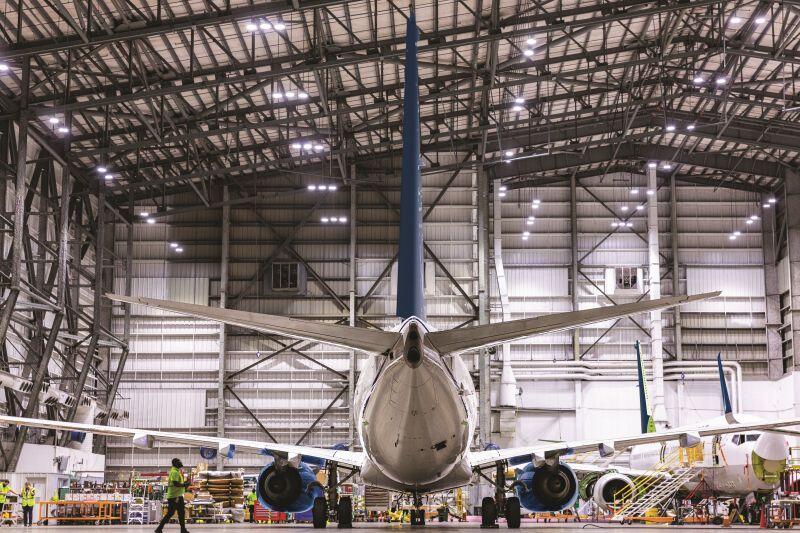
AAR announced its acquisition of Haeco Americas in November 2025, adding two heavy maintenance facilities to its portfolio of six, including Indianapolis. Two of them—Oklahoma City and Miami—are expanding, giving the company more capacity and efficiency within what will eventually be a seven-facility network once Indianapolis is closed.
“By exiting this high-cost location when the lease expires and redistributing the work throughout the rest of our network, we will further improve the overall margin profile of our airframe heavy maintenance activities,” Holmes said. “Once this work is complete, we will have added approximately 40% additional capacity to our network, lowered our fixed cost, and gained access to a more predictable labor supply.”
The Haeco deal included $850 million in new contracts, helping the company remain largely sold out of airframe maintenance slots through the end of the decade. The expansion is expected to bolster AAR’s growing parts and components businesses as well.
“There are synergies between the heavy maintenance business and the component business, and part of our strategy is to leverage the leadership position that we have in airframe heavy maintenance to drive volume to our component shops,” Holmes said. “Some of that comes from just having possession of the aircraft themselves. We now have more than 1,000 aircraft moving through our facilities each year. And that generates individual component repairs that we can perform.”