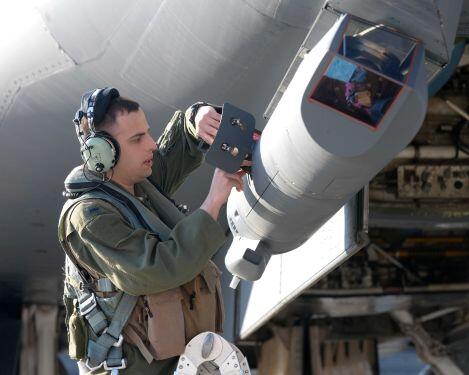
Sniper pods provide improved long-range target detection/identification and continuous stabilized surveillance.
Credit: U.S. Air Force
FARNBOROUGH—Lockheed Martin is targeting a 2027 production start for its latest Sniper targeting pod, designed to improve network connectivity between fourth-generation fighters, the F-35 and future Collaborative Combat Aircraft (CCA). The Sniper Networked Targeting Pod (NTP) upgrades the Sniper...

Subscription Required
Lockheed Targets Updated Sniper Pod Production Next Year is published in Aerospace Daily & Defense Report, an Aviation Week Intelligence Network (AWIN) Market Briefing and is included with your AWIN membership.
Already a member of AWIN or subscribe to Aerospace Daily & Defense Report through your company? Login with your existing email and password.
Not a member? Learn how you can access the market intelligence and data you need to stay abreast of what's happening in the aerospace and defense community.
Related Content