This article is published in Aerospace Daily & Defense Report part of Aviation Week Intelligence Network (AWIN), and is complimentary through Mar 13, 2026. For information on becoming an AWIN Member to access more content like this, click here.

Merlin Labs Completes First Review Of C-130J Autonomy Software

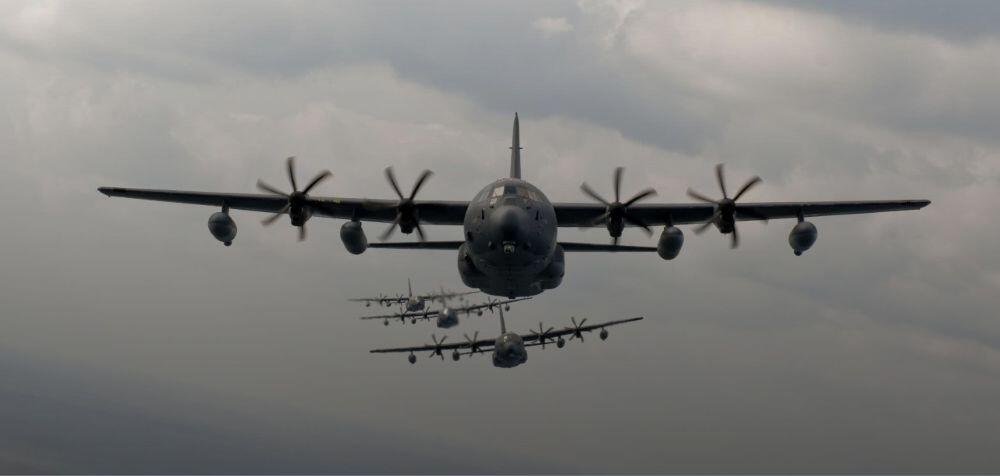
usaf
Credit: U.S. Air Force

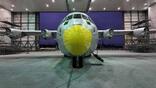
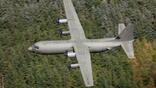
Merlin Labs announced the completion of a preliminary design review (PDR) for an autonomy software package for the Lockheed Martin C-130J Hercules on March 5.

The approval keeps the two-year-old demonstration program on track for critical design review (CDR) in the next few months and a first flight later this year on a modified Hercules, Chief Technology Officer Timothy Burns tells Aviation Week.

The key technical hurdles remain airworthiness and cybersecurity approvals for the autonomy software, Burns adds.

“We have an air worthiness plan agreed to, so we know what their expectations are in terms of signing off that the aircraft is airworthy. But they have to go through their process, which can take a couple of months,” Burns says.

U.S. Special Operations Command funded the PDR and CDR events with a $15.9 million contract awarded to Merlin Labs in August 2024, according to U.S. government spending records.

The first award is part of a larger, five-year indefinite delivery/indefinite quantity contract worth up to $105 million, which includes a still-pending task order to be executed for the flight demonstration.

But the path to a flight demonstration faces new challenges. The demonstration aircraft—a Special Operations AC-130J gunship—is no longer available, Burns says. Second, the C-130J requires a hardware modification in the flight control system to operate the Merlin software in autonomous mode.

“The Merlin [software] pilot has to have the same control authority that a real pilot would have. And the current servo systems that are in the C-130J don’t have that level of authority,” Burns says.

The contract language calls for the Merlin Labs software to deliver “crew workload reduction.”

“It’s quite broad, in a sense. It’s not like, hey, get to no pilots, or, hey, go to single pilot. And so the approach is to get the infrastructure into the airplane that allows us to chip away at things,” Burns says.

An example of a workload reduction step is the cockpit functions involved when a C-130J lands at a forward base to refuel the U.S. Army’s jet-powered tanks.

“You’ve got the copilot in there flipping all these switches trying to move fuel around in the airplane,” Burns says. “So one of the areas that we’ve looked at is, well, hey, can the Merlin pilot do that? That’s not a difficult thing for us to go do.”

Steve Trimble

Steve covers military aviation, missiles and space for the Aviation Week Network, based in Washington, DC.