This article is published in Aerospace Daily & Defense Report part of Aviation Week Intelligence Network (AWIN), and is complimentary through Jul 03, 2026. For information on becoming an AWIN Member to access more content like this, click here.

Debrief: How France Is Trying To Make A400M More Tactically Relevant

French Air and Space Force
Credit: French Air and Space Force

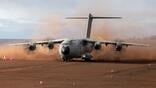
When Airbus embarked on the A400M program, one of its selling points was that it could serve as a strategic transport and a tactical aircraft—in other words, both C-130 and C-17.

After several years in which the aircraft has demonstrated its strategic airlift chops—through evacuation missions from Afghanistan, for instance—the French armed forces are now working on ways to use it to more directly to aid ground troops in contact.

These efforts come at a time when Airbus, after years of development, has finally reached the end of the core A400 development program and the manufacturer is looking to evolve the platform.

One of the initiatives now underway is trying to deploy logistics gliders from the transport to resupply frontline troops, Cédric Souque, A400M program lead for the French defense procurement agency DGA, said at the Eurosatory defense expo last week. DGA has asked industry for ideas and will decide the path forward once they are in, he said.

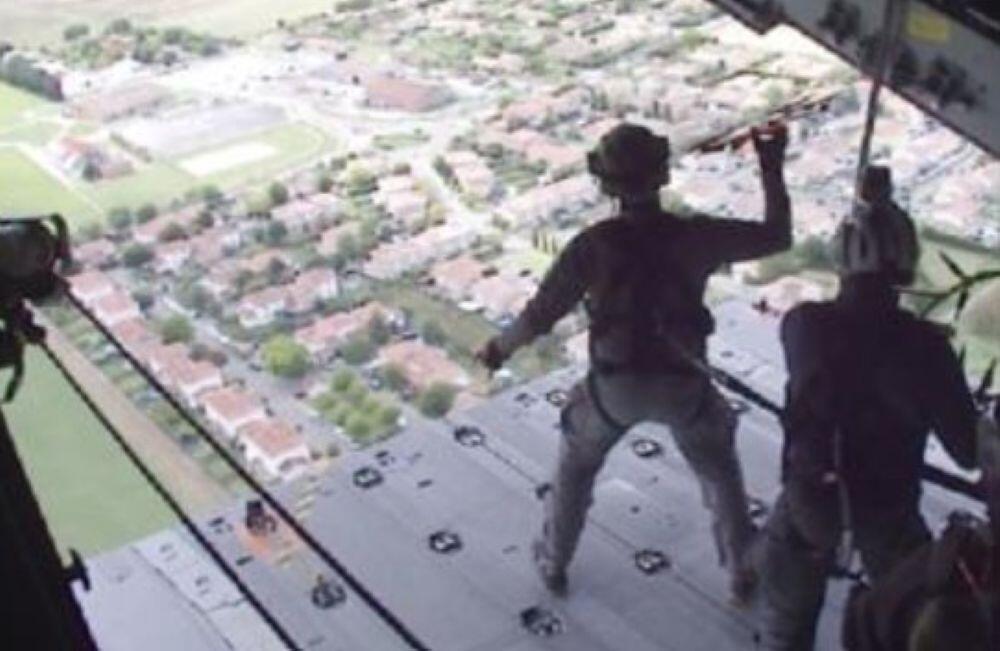
The French military has also begun experimenting with drone deployment from the A400M. While Airbus has long proposed the idea of using the airlifter as a mother ship or cruise missile launch platform, the French military’s effort is focused on much smaller, quadcopter-like drones. The efforts are largely driven by a desire to support special forces troops on the ground.

Souque said the government has entered what he calls a drone pact to partner with manufacturers and demonstrate the ability to deploy their systems from an A400M. One goal is to develop the proper concept of operations for such missions. The other is to address not insignificant technical questions about how to make such operations work safely. Early trials involved drone deployment from the ramp and the parachute door.

Among the issues is making sure the small and relatively small drones separate safely from the aircraft, given the airflow around the hulking transport.

Another is how to deal with electro-magnetic compatibility between the drones and their command-and-control needs and those of the A400M. Once the drones are launched, operators, either on the aircraft or on the ground, have to establish control of the air vehicles, which Souque noted is not a trivial problem.

Another question the military is trying to work through is battery safety. If the A400M is carrying a large number of such small drones in the cargo hold, there is concern a lithium-ion battery fire may be difficult to contain.

The drone and cargo delivery efforts come on top of France’s decision to award Airbus a contract to launch the Parallel Mission System, an upgrade to its onboard systems to help develop the platform into a bigger node for a future of networked uncrewed aircraft and other systems.

New missions could help Airbus spur interest among existing A400M users for more aircraft and lure prospective customers at a time the aircraft maker’s backlog for the transport is thinning. Program officials are sanguine, though, about the dearth of orders in recent years. They note the downturn in the global security environment is driving a demand wave, with additional contracts near fruition.

Robert Wall

Robert Wall is Executive Editor for Defense and Space. Based in London, he directs a team of military and space journalists across the U.S., Europe and Asia-Pacific.