This article is published in Aerospace Daily & Defense Report part of Aviation Week Intelligence Network (AWIN), and is complimentary through Sep 13, 2026. For information on becoming an AWIN Member to access more content like this, click here.
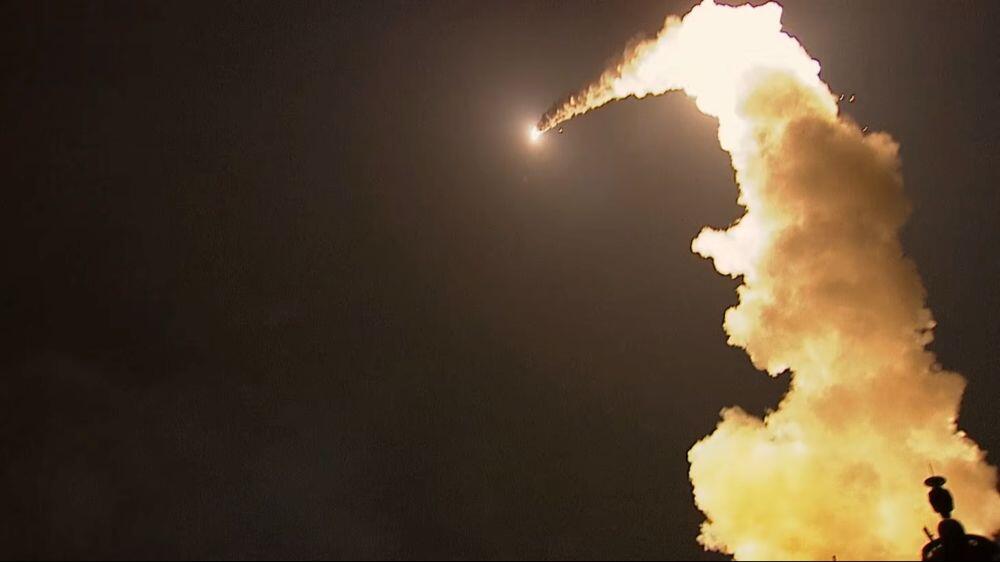
An SM-6 interceptor is launched during a 2023 Missile Defense Agency test.
HUNTSVILLE, Alabama—A year into the formation of the Golden Dome for America (GDA) effort to build a broad protection of the U.S. homeland, the agency charged with leading the mission has seen a shift in its focus.
With Golden Dome taking the forefront of spending priorities in air and missile defense and a new four-star leader overseeing the entire architecture, the Missile Defense Agency (MDA) is now in much of a supporting role.
“MDA is 100% committed to GDA’s success,” MDA Director Lt. Gen. Heath Collins said Aug. 13 during a closing keynote at the Space and Missile Defense Symposium here. “Their success is our success in protecting our nation.”
Golden Dome leader Gen. Michael Guetlein has directed MDA to be the engineer, integrator and test lead for the systems that will make up the architecture. This architecture is largely going to be made up with capabilities MDA has developed, such as the current Ground-Based Midcourse Defense with Ground-Based Interceptors and the upcoming replacement, the Next Generation Interceptor.
MDA is also collaborating with Japan in creating the hypersonic-focused Glide Phase Interceptor. This is supported by the space-based Hypersonic and Ballistic Tracking Space Sensor, which has since transitioned to the U.S. Space Force. The MDA is also developing the Discriminating Space Sensor to help track ballistic missiles.
“Everything I just talked about, all of it is being made available and will be made available for Golden Dome,” Collins says.
The agency was already charged with two tests as part of Golden Dome, which came abruptly, Collins says. Guetlein gave MDA about three months to put together one of the tests.
“I’m hoping to get more than three months’ notice on the next one,” Collins says, adding another test is expected soon. “He’s given me at least a little bit more notice on this one, so we’re in.”
Collins says going forward the agency is looking to increase its spending to bring on advanced capabilities, and he called on industry leaders to focus on reliability, survivability from multiple types of attacks to include cyber, and life cycle costs of the interceptors.