This article is published in Aerospace Daily & Defense Report part of Aviation Week Intelligence Network (AWIN), and is complimentary through Jul 18, 2026. For information on becoming an AWIN Member to access more content like this, click here.

Electro Optic Systems Nears 300-kW Laser Contract, Eyes Navy Business

apollo laser at eurosatory

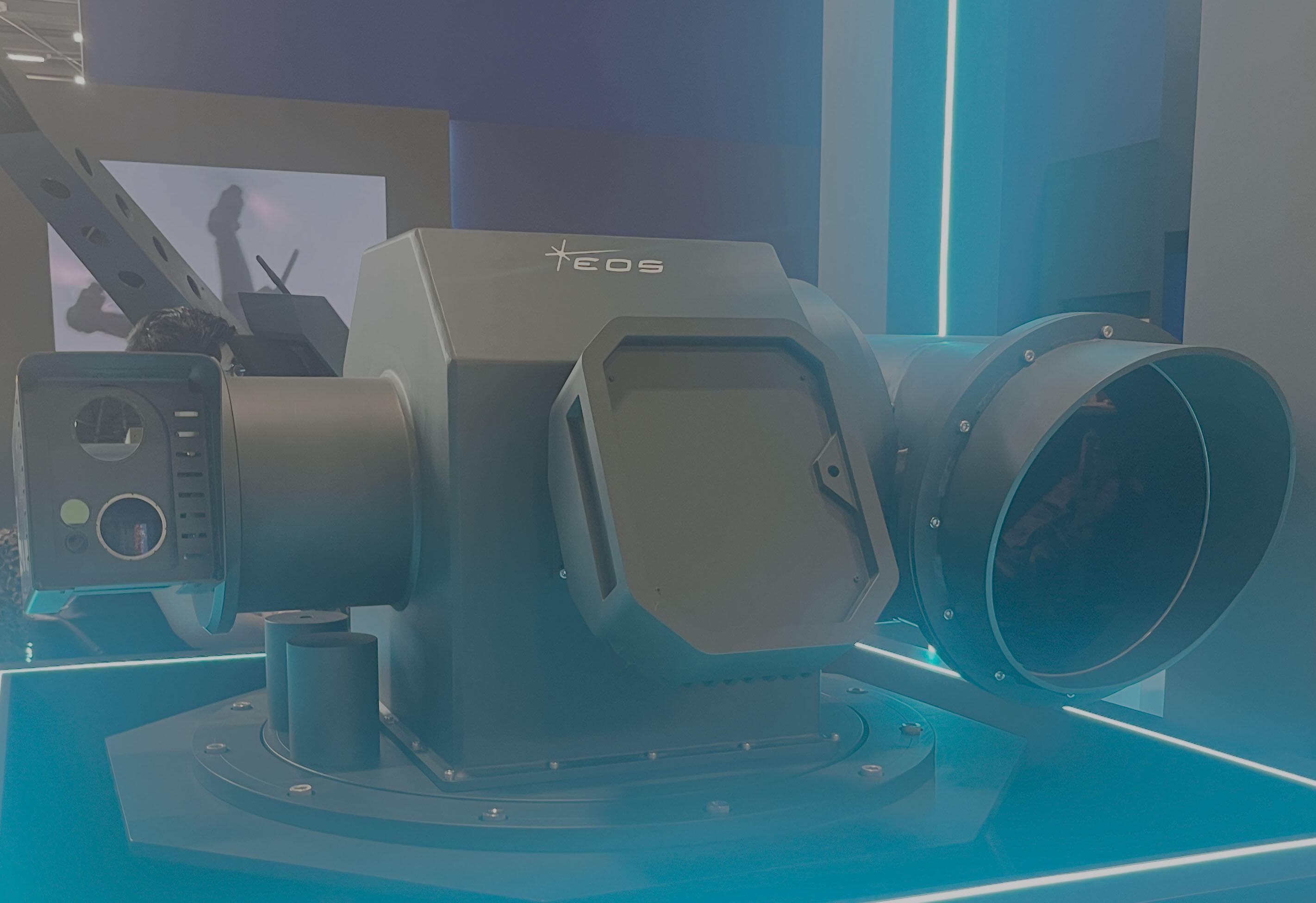
The Apollo high-energy laser on display at Eurosatory.

Credit: Aviation Week Staff

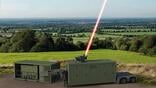
PARIS—Australian counter-drone specialist Electro Optic Systems (EOS) is nearing a contract to launch the highest-power version yet of its Apollo high-energy laser system.

The contract talks for the system, which could be ready before the end of the decade, are in the final stages, CEO Andreas Schwer said here at the Eurosatory defense expo. “That’s a game changer,” he said.

The contract could be signed this year, spurring a roughly three-year development program. The customer asked for the 300-kW power to assure full counter-rocket, artillery and missile capability, as well as being able to down drones.

The higher power level, about three times what the company is building now, also would allow the system to engage targets at greater range as well as increase the kill rate per minute by reducing laser dwell time per target. Schwer has previously noted that customers increasingly are focused on downing more targets rather than intercepting them at greater range.

The company would not identify the customer, although EOS indicated the buyer is based in the Middle East, where the Iran war has spurred growing interest in counter-drone and missile defense systems. Schwer noted that some of EOS’ kinetic-kill systems have been heavily used in the fighting there.

EOS also is in the process of building a 100-kW laser weapon for its Dutch customer. The company opened a factory in Singapore this year to produce those systems, though it expects many customers to seek local production.

The Dutch system is due for delivery around 2028, but Schwer said the company is ahead of schedule and could be shipping the first items as early as mid-2027.

EOS has long planned a test and demonstration campaign in the Middle East to drum up interest there. That is still due to take place once the security situation in the region permits.

Schwer said the company also is working on a 100-kW navalized version with the option to scale power levels to 200 kW as navies increasingly confront the threat from drone swarms and other missile systems. The container-based system would be stabilized to deal with the rolling motion on a ship and feature special coatings to address the environmental conditions when operating at sea.

Robert Wall

Robert Wall is Executive Editor for Defense and Space. Based in London, he directs a team of military and space journalists across the U.S., Europe and Asia-Pacific.