This article is published in Aerospace Daily & Defense Report part of Aviation Week Intelligence Network (AWIN), and is complimentary through Oct 16, 2026. For information on becoming an AWIN Member to access more content like this, click here.

USAF Modifying More B-52s For Engine, Radar Programs

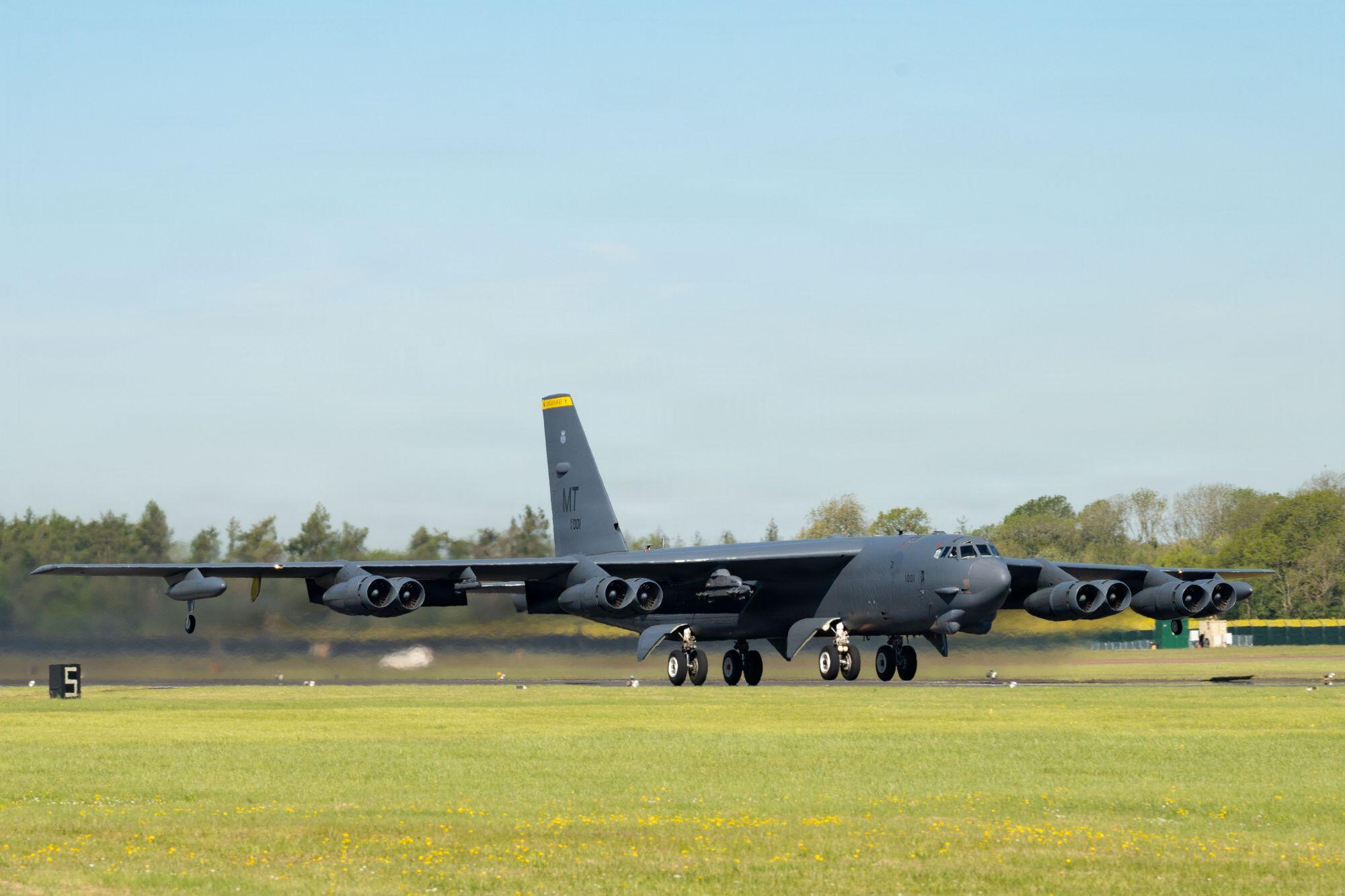
B-52: USAF
Credit: U.S. Air Force

NATIONAL HARBOR, Maryland—The U.S. Air Force will take two B-52s from real-world missions and dedicate them for engine and radar testing as the service boasts the delayed programs recently passed key milestones.

The service in a Sept. 15 announcement said the two dedicated test aircraft are currently flying operational missions after recent depot maintenance and will go to Boeing’s San Antonio facility to receive modifications for both the Radar Modernization Program (RMP) and the Commercial Engine Replacement Program (CERP) concurrently.

The two programs make up the B-52J standard, adding the Rolls-Royce F130 engines and the APQ-188 radar. One dedicated test aircraft for the radar program crashed at Edwards AFB, California, on June 15. Another B-52 was in modernization for the program, making three test aircraft for the effort.

Rolls-Royce announced in May the CERP program passed critical design review (CDR), and William Bailey, performing the duties of the assistant secretary of the Air Force for acquisition, technology and logistics, said the program reached Milestone B in June to begin engineering and manufacturing development.

In August, the RMP began Low-Rate Initial Production with the award of a $603 million contract to Raytheon for the radars. Aviation Week understands that the first four engines will be shipped to San Antonio in April next year, and all 20 flight test engines are scheduled for delivery by the end of November 2027.

The Air Force needs to balance the operational need for the bombers with the need for test aircraft, along with ongoing maintenance requirements.

“So those communities have to come together in a balance because a jet needs to be downrange, but a jet also needs to be sustained. … We have critical modernization we have to get to, so I need jets for tests, and that orchestration happens across all those communities,” Bailey says.

Brian Everstine

Brian Everstine is the Pentagon Editor for Aviation Week, based in Washington, D.C.