This article is published in Aerospace Daily & Defense Report part of Aviation Week Intelligence Network (AWIN), and is complimentary through May 17, 2026. For information on becoming an AWIN Member to access more content like this, click here.
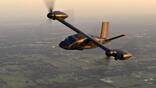
NASHVILLE, Tennessee—The U.S. Army is looking at ways to do its own aerial refueling and get more training for its special operations helicopter crews, especially as it looks at bringing on modified MV-75 Cheyenne IIs for them.
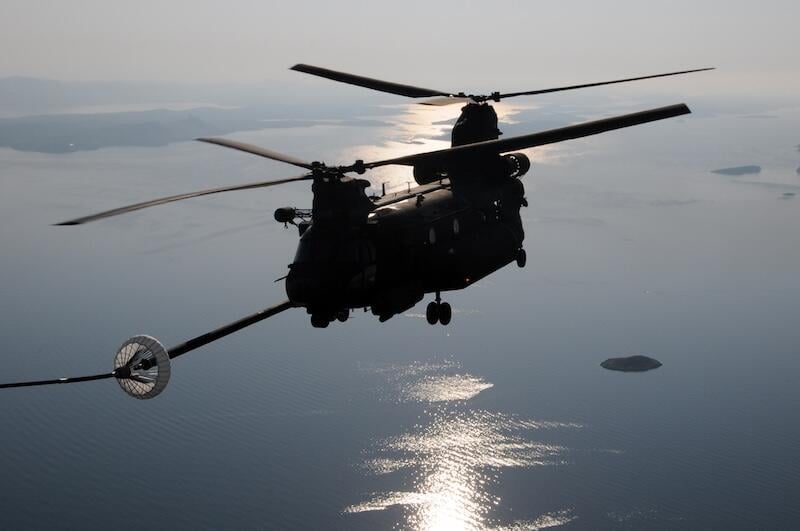
Currently, one of the most challenging tasks for special operations aircrews is being able to train to aerial refuel. That is because the aircraft that pass the fuel are not readily available.
“We don’t have those organic to the Army, so I think we need to solve our own problems and think about how do we do our own—let’s call it: logistical resupply in the air,” says Maj. Gen. Clair Gill, the commanding general of U.S. Army Aviation and portfolio acquisition executive for maneuver-air.
At present there is no requirement but that possibility is under discussion at the leadership level.
“We’re thinking through do we need to develop a requirement for aerial refueling for ourselves,” he says.
If it comes to fruition, more aerial refueling capacity will allow the Army to put less logistics on the ground, reducing its vulnerability, as opposed to a typical approach of setting up forward refueling points.
“So, there’s a lot of advantages to how far we can go with the aircraft,” he says.
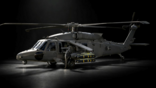
Currently, the U.S. Army’s Special Operations MH-47 Chinooks and MH-60 Black Hawks largely rely on -130s for tanking, though those are in short supply. Gill did not elaborate on what the potential system could be—whether a modified in-service aircraft or a new development system including potentially uncrewed aircraft.