This article is published in Aerospace Daily & Defense Report part of Aviation Week Intelligence Network (AWIN), and is complimentary through Oct 31, 2026. For information on becoming an AWIN Member to access more content like this, click here.
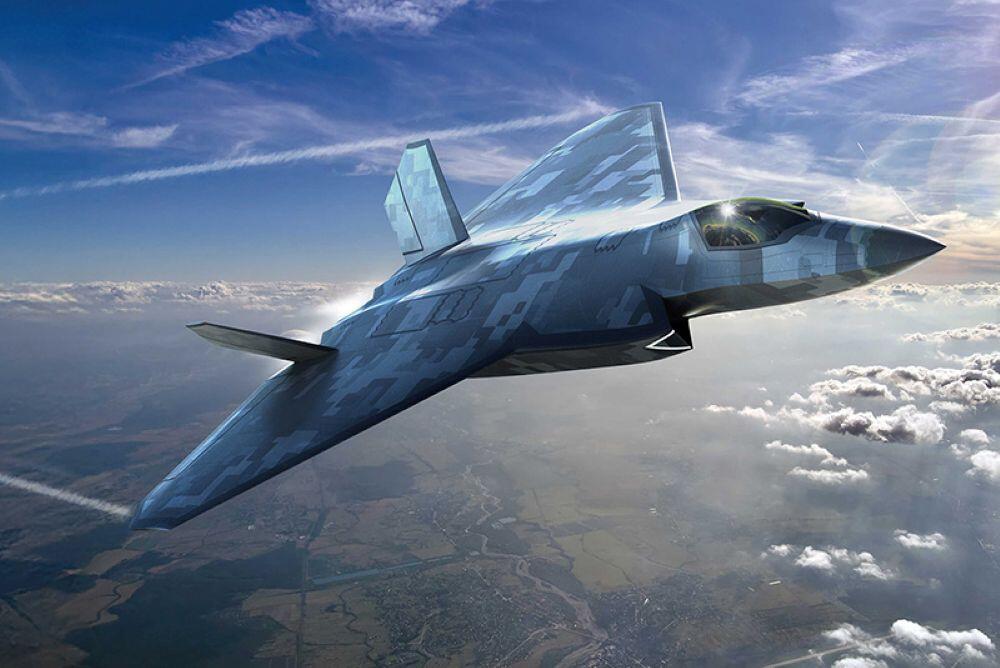
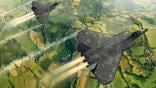
GCAP aircraft concept.
TURIN, Italy–Edgewing, the joint venture leading the development of the combat aircraft at the heart of the Global Combat Air Program (GCAP), will be able to accommodate additional industrial partners without undue delays to the project, CEO Marco Zoff has insisted.
Speaking as the company opened the first of its global engineering sites here, Zoff said it was up to the GCAP partner nations Italy, Japan and the UK whether to allow additional nations to join the combat aircraft pact. But those governments would have to be willing to accept “trade-offs” if they did so.
His comments emerge a day after UK Prime Minister Andy Burnham told German Chancellor Friedrich Merz that he was open to Germany joining the GCAP program, following the collapse of that country’s next-generation fighter development program with France.
“When you discuss [additional partners], there is no need to stop the machine,” Zoff said.
“You can discuss in parallel and that is what the governments typically do, but the trade-off is on them [the governments],” he added.
BAE Systems and Leonardo leaders have both warned that the window was closing if the GCAP program wanted to add additional partners. Part of this is driven by a key decision point, expected at the end of 2027, called the System Requirements Review (SRR). At that point, the aircraft’s external planform and shape will have been finalized and detailed design will get underway. Some observers have suggested that unraveling the existing industrial arrangements so that new industrial partners can be inducted could cause delays to GCAP’s already tight timelines. But Zoff said sticking to the program schedule was a “priority for everyone.
“No one of the three countries, and believe me, I say no one, is allowing for scheduling to shift to the right,” Zoff added.
Nonetheless, Germany’s interest in GCAP is welcome, Leonardo CEO Lorenzo Mariani told Aviation Week. He said it would be “industrially beneficial” in the long term but “disruptive” in the short term. Like Zoff, he suggested it would be up to the governments if they wanted to take risks in the short term to reduce them in the longer term.
So far, Burnham is only one of the three GCAP nations’ leaders to give the nod to Germany’s potential entry. Berlin would also need to secure the green light from Rome and Tokyo. Tokyo’s ambassador to Rome, Ono Hikariko, speaking at the opening ceremony, said the program “must deliver” by the “targeted timeline. Our air forces and our nations need this cutting-edge capability exactly at the necessary moment.”
It is also unclear whether Germany would have to be a signatory to the GCAP Treaty. It may yet need to become a formal observer to the program like Canada did last summer. Observer status has given Canadian officials access to briefings and classified data that will allow it to make informed decisions about a potential future role or as a customer to the program.
The new engineering facility here is on a site that once produced some of Italy’s distinctive biplane fighters—Cold War-era Fiat G.91 ground-attack aircraft—and the wings of the Panavia Tornado, among numerous other types. The facility will see engineers from Italy, Japan and the UK work on development of the systems and subsystems that will equip the new trinational combat aircraft. It is due to enter service in the mid-2030s.
The Oct. 9 opening of the site reflects the accelerating pace of the program after securing some €6 billion ($6.7 billion) in contracts this year. Edgewing’s UK headquarters has been operating in Reading since last year. The second global site in Nagoya, Japan, is set to open early in 2027, while the third and final facility in Warton, England, will follow later in the year.
The new site will be home to engineers from all three nations, with the initial cohort comprising of personnel seconded from Edgewing’s three partner companies, BAE Systems, Leonardo and Japan Aircraft Industrial Enhancement Co.
Giuseppe Lupoli, Edgewing Italy’s managing director, said the new facility will support the engineering phase of the program, maintaining close connections with Reading and the other global sites. Lupoli said efforts in Turin would initially be fully concentrated on the development phase, but later there would be an evolution in the role of the facilities as the program steadily moves toward production efforts. The GCAP is current in the concept design phase. After system requirements review (SRR), the aircraft’s planform will be frozen. Then detailed design will be begin, culminating in the aircraft’s first flight “in the beginning of the new decade,” Zoff said.
All three nations will have production lines for hardware, but the program has yet to finalize decisions on final assembly and flight testing.

Related Content