Viewpoint: The Silent Safety Gap
I once visited a flight department that looked flawless on paper.
Advanced SMS tools, clear SOPs, spotless training records. By all accounts, they were a “safe” operation.
But when I sat down with individuals one-on-one, I saw their workplace culture in a new light. Yes, they were technically safe, but they didn’t feel safe being honest.
One team member told me, “I spoke up once, and the reaction made me wish I hadn’t.” Another admitted he stopped raising concerns because “it never seemed like the right time.”
Nothing in their safety program reflected fear. But their lived experience did.
That’s when it struck me: In aviation, we train relentlessly for emergencies, regulations and checklists. Yet, what we don’t train for is:
• How to speak honestly with one another
• How to disagree respectfully
• How to surface concerns early and without fear
• How to create an environment where people don’t just follow procedures, they feel safe acting on their judgment
This idea sits at the heart of psychological safety. Carl Rogers coined it to describe when someone feels “unconditional worth” in a space free of judgment. Rogers believed safety allowed people to create, grow and express themselves authentically.
In other words, psychological safety is about the quiet confidence that your voice won’t cost you credibility, opportunity or belonging. And in an industry built on precision, discipline and teamwork, that confidence is not a luxury. It’s a core safety asset.
What Psychological Safety Really Means
Psychological safety isn’t about avoiding discomfort or guaranteeing agreement. It’s not softening expectations or shielding people from accountability.
It’s the opposite.
Psychological safety is about building a culture that can navigate conflict productively. It makes space for the “dumb question” that prevents a mistake. It empowers someone to say, “I see it differently,” or “Something doesn’t feel right” or “Please don’t say that in front of me.”
Google’s Project Aristotle identified psychological safety as the number-one driver of high-performing teams. Meanwhile, research from MIT’s Sloan Management Review found it to be one of the strongest predictors of whether people speak up when they see something unsafe or unethical.
As an HR and workforce consultant, I see the same pattern again and again: People don’t stay quiet because they don’t care; they stay quiet because speaking up feels risky.
And in aviation, hesitation can be far more dangerous than disagreement.
Why This Matters In Business Aviation
Our industry is unique. We operate under intense pressure, shifting schedules and demanding expectations. And in many flight departments, we work hard—sometimes too hard—to prove our value to corporate or Family Office leadership.
In that environment, when you value your job, silence can feel safer than honesty.
Culture can erode from the top—at the enterprise level—or within a single department. I’ve met team members who described leaders who managed through fear. The most stressful part of the day isn’t navigating changing schedules or an AOG—it was predicting the director’s mood.
Others recalled meetings where political remarks or inappropriate jokes made the room uncomfortable, yet no one felt safe calling it out.
People don’t go silent out of apathy. They go silent to protect themselves.
These aren’t headline-grabbing failures. They’re the small, daily fractures that determine whether people tell the truth, ask for help or admit uncertainty—the very behaviors that keep us safe.
And no SMS, however robust, can compensate for that.
How You Know There’s A Problem
You don’t need a survey to spot low psychological safety. A few everyday indicators can be revealing:
• You only hear good news—and usually too late.
• Real conversations happen after the meeting.
• People rarely disagree with you (silence is not alignment).
• Newer or quieter team members seldom speak.
These signs don’t point to bad leadership. They point to a place where honest dialogue feels risky—and where an opportunity for meaningful improvement exists.
Everyone Has Agency, Not Just Leaders
One of the most powerful moments in a psychological safety workshop I co-led with Robb Patton happened unexpectedly. Participants realized they didn’t need a title to influence culture. They have agency, too.
Every person in a flight department—technicians, schedulers, pilots, flight attendants—helps shape psychological safety. Culture isn’t created in policy manuals. It’s built in tone, word choice, curiosity, humility and moments of genuine listening.
Even small behaviors can create what we call micro-cultures—pockets of trust and respect that thrive even inside organizations that aren’t there yet. Micro-cultures often spark broader change. And sometimes, they simply help people endure environments they can’t immediately leave.
Psychological safety isn’t theoretical. It’s lived.
A Call To Action
You don’t need permission to strengthen psychological safety. You only need intention. Here are several things you can do—no matter your title.
• Build a pocket of trust within your team (a small micro-culture of safety).
• Ask a clarifying question to open the conversation and lower the risk for others to speak.
• Echo a concern so a teammate isn’t standing alone.
• Validate the person who raised an issue.
• Seek to understand a differing viewpoint and encourage honest dialogue.
• Model the support and honesty you want from others.
• Attend a training session on psychological safety.
• Keep learning—read widely and often. (Start with The Fearless Organization by Dr. Amy Edmondson.)
• Commit to improving one percent each day.
If you’re a leader, here’s a quick litmus test to know where you stand:
1. Do people bring you information early—or only when it’s unavoidable?
2. Do your team members feel comfortable challenging your ideas?
3. What kind of environment do you want three years from now, and what’s one step you can take this week to move toward it?
The strongest safety cultures don’t rely solely on systems and software. They rely on people who feel safe speaking up, safe questioning and safe caring—openly, honestly and consistently.
When that happens, the tools and training we depend on become far more powerful.
And so do we.
About the Author
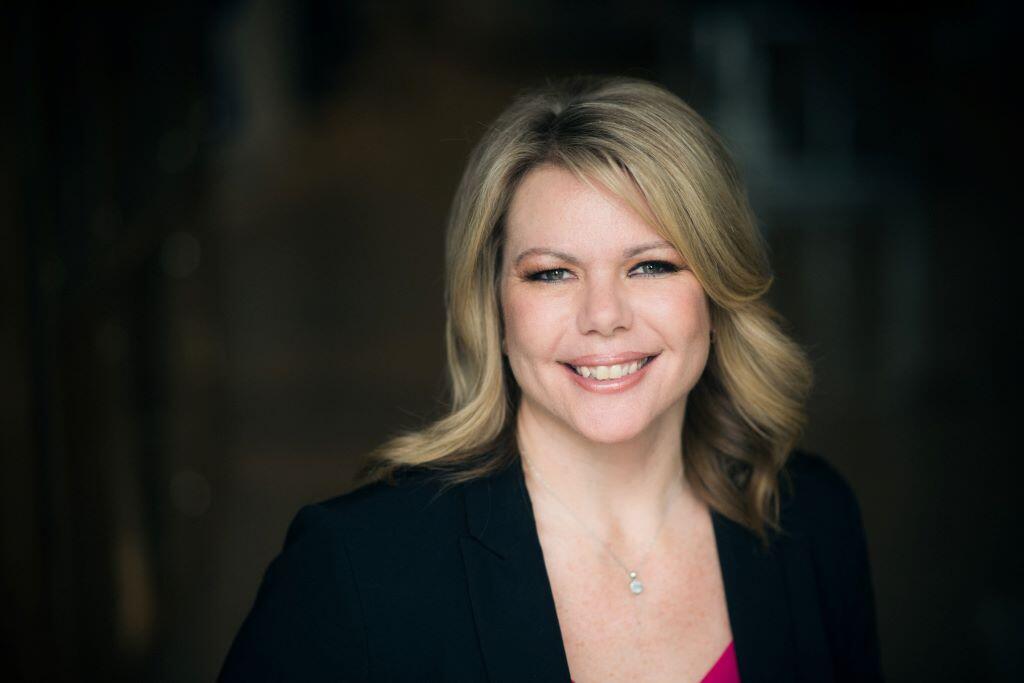
Jennifer Pickerel serves as president of Aviation Personnel International. Drawing on years of industry insight, she enhances performance by aligning culture, strategy and talent across business aviation organizations.
Related Content