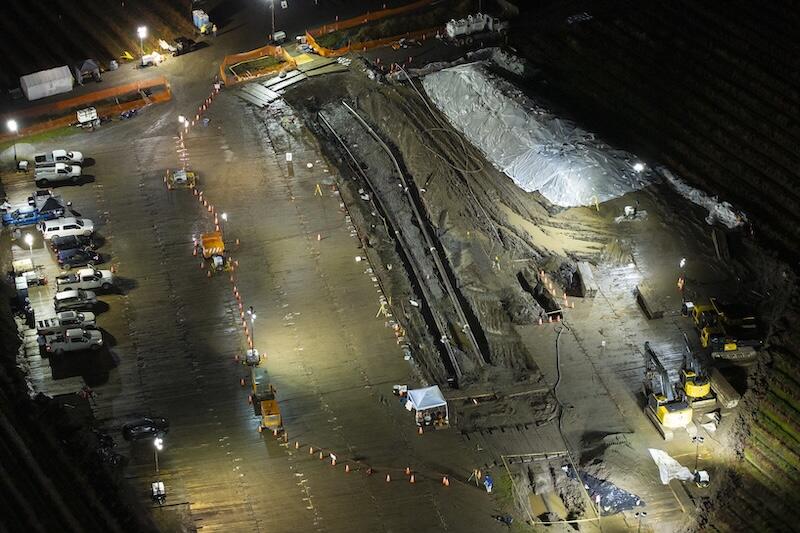
Excavated areas of BP's Olympic Pipeline as repairs continue on Nov. 24 in Everett, Washington.
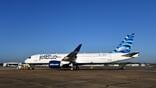
Seattle-Tacoma International Airport (SEA) continues to manage through a disruption in jet fuel supply, causing airlines to take contingency measures, including making refueling stops.
SEA-based Alaska Airlines, the airport’s leading carrier with a roughly 50% market share, is taking a series of steps aimed at avoiding flight disruptions. Delta Air Lines, the second-largest carrier at the airport with around a 25% market share, has warned passengers there could be potential disruptions to long-haul flights.
SEA relies on the Olympic Pipeline, owned by BP, to deliver jet fuel to the airport. A leak was discovered during routine maintenance on Nov. 11, leading to the pipeline being shut down. BP is working with federal and state authorities to repair the leak, but there is no indication as to when the pipeline will be back online.
Washington Governor Bob Ferguson has issued an emergency declaration to waive restrictions on trucks carrying jet fuel to SEA in an effort to get as much fuel to the airport as possible.
“Due to limited fuel availability … customers traveling on international long-haul flights may experience schedule adjustments,” Delta said in a warning to passengers. “Check flight status frequently.”
Alaska said it does “not expect disruption to our operations” at SEA over the next week through the Thanksgiving holiday travel period.
The airline is tankering fuel—carrying more fuel than is needed to fly a route—on inbound flights to Seattle. Alaska said in some cases it is able to “roundtrip fuel from the departure city, reducing the amount of fuel needed from SEA.”
Taking advantage of the governor’s emergency waiver, the airline is “maintaining and expanding trucking operations to bring in additional fuel supply.”
Alaska is also adding a fuel stop to around 12 daily SEA flights, which are landing “at an airport along the flight’s route to on-board additional fuel” without passengers leaving the aircraft.
“The dozen flights selected for a fuel stop change daily, but are focused on transcontinental routes, such as SEA-JFK and flights to the Hawaiian Islands,” Alaska said. “Similarly, the fuel stop locations change daily.”
The airline added: “We have not canceled any flights due to fuel supply issues because of our ability to manage fuel using these strategies. We remain in close communication with Olympic Pipeline, refineries and our airport partners, and will communicate if we begin to see operational impacts.”
A SEA spokesperson said the airport is not yet seeing a “major impact to flights,” adding: “We continue to stay in touch with the airlines as they manage flight schedules and the acquisition of fuel delivered to the airport.”
He noted that while the airport “manages the infrastructure of the fueling system,” it is airlines’ responsibility to bring fuel to the airport.

Related Content