Brazil’s air transport market has continued to build momentum in early 2026, underpinned by rising travel demand, expanding international capacity and steady recovery in domestic flying.
OAG Schedules Analyser data shows total departure seats from Brazil reached 143.4 million in 2025, up from 134.5 million in 2024 and well above pandemic-era levels. International capacity has been the standout performer, more than quadrupling since 2021 to 17.6 million departure seats last year, while domestic seats climbed to 125.8 million.
That trajectory carried into the first quarter (Q1) of 2026. Brazilian airports will handle about 37.2 million departure seats in Q1, up from 34.9 million a year earlier. Domestic capacity will rise by 6.1% year on year to 32.2 million seats, while international seats are up 10.4% to just over 5 million.
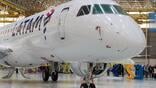
LATAM Airlines Group and GOL Linhas Aéreas remain the two largest carriers by departure seats from and within Brazil in Q1 2026, both growing capacity year on year. LATAM increased seats to 13.6 million from 12.2 million in Q1 2025, while GOL rose to 10.9 million from 9.7 million.
More News And Analysis From Routes Americas 2026
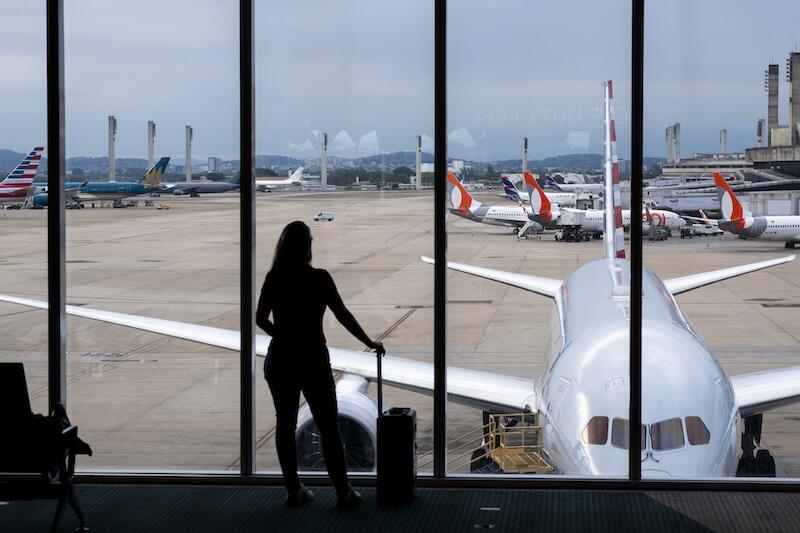
São Paulo Guarulhos remains Brazil’s largest airport, with departure seats rising to 7.1 million in Q1 2026. However, Routes Americas 2026 host Rio de Janeiro Galeão recorded one of the strongest gains among major gateways, growing to 3.14 million seats from 2.63 million a year earlier.
Internationally, Argentina is Brazil’s largest foreign market by seats in Q1 2026, followed by the U.S., Chile, Portugal and Spain. Capacity to Argentina is up more than 30% year on year, mirroring strong inbound tourism flows. Brazil’s national tourism agency reported 9.3 million international arrivals in 2025, up 37%, led by sharp increases from Argentina and solid growth from Chile and the U.S.
Airlines continue to add targeted long-haul and regional routes. February saw the launch of new Canada-Brazil services, including Montreal’s first nonstop link to Rio de Janeiro, while regulatory changes are also reshaping key markets. A newly modernized Brazil-France air services framework expands available frequencies and relaxes longstanding restrictions, setting the stage for further growth.

Related Content