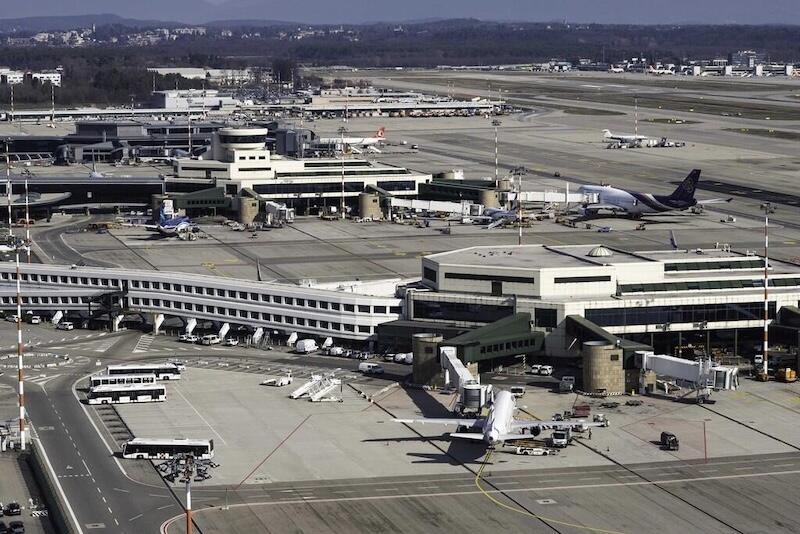
SEA Milan Airports is targeting new services to the U.S. West Coast, South America and Asia as it seeks to convert demand from northern Italy into additional long-haul connectivity.
Los Angeles, San Francisco and Seattle are among the priorities for Milan Malpensa Airport (MXP), alongside opportunities in South America, Southeast Asia and the Indian subcontinent, said Aldo Schmid, SEA Milan Airports' aviation business development head.
The “U.S. West Coast” is a region of interest, Schmid told Routes. “While direct connectivity to the East Coast is growing, Los Angeles, San Francisco and Seattle remain fully unserved, despite substantial leisure, premium and corporate demand,” he said.
The airport’s ambitions follow further transatlantic development in 2026. Schmid said Milan’s U.S. traffic increased 6.7% in the first half. JetBlue launched daily summer services to Boston, while American Airlines resumed daily Miami flights. Further expansion by Delta Air Lines is planned for 2027, with Boston flights rising to daily.
United Airlines also plans to commence a Washington Dulles service in May 2027, operating 3X-weekly. Schmid said the route would end a 26-year gap in connectivity.
Beyond the U.S., Aeromexico plans to introduce 4X-weekly Mexico City flights in March 2027. Schmid identified Mexico as one of Milan’s largest markets in the Americas, with the service expected to support leisure, business and cargo demand.
More News And Analysis From Routes World 2026
South America remains a development priority because of the gap between demand and available nonstop services. Schmid identified Lima, Buenos Aires, Bogota and Rio de Janeiro as potential opportunities, citing leisure and business demand 18% above pre-COVID levels.
In Southeast Asia, MXP has 17X-weekly frequencies to three destinations, but Schmid said demand growth of 32% compared with pre-COVID levels supported further expansion. Manila, Jakarta and Kuala Lumpur are among the airport’s targets. The Indian subcontinent also offers opportunities to expand beyond Air India’s existing presence.
“The residents [in the catchment] are Italy's highest-spenders, resulting in strong premium outbound demand,” Schmid said. He pointed to the region’s manufacturing, machinery, aerospace, fashion, automotive, pharmaceutical and financial industries as sources of business traffic.
Recent Asian network developments included Asiana Airlines introducing 3X-weekly Seoul services alongside Korean Air’s existing operations, while Air China has added daily Beijing Daxing flights to its 7X-weekly Beijing Capital service.
Schmid said newer, more fuel-efficient aircraft could help airlines develop thinner long-haul markets that would be harder to sustain with larger aircraft. However, securing aircraft remains a constraint despite demand across multiple passenger segments.
“Despite significant demand across all travel segments, many airlines are unable to capitalize on the Milan market due to ongoing fleet limitations,” Schmid said.
Malpensa’s lack of a hub carrier also shapes its development strategy, placing greater emphasis on attracting foreign airlines and building a diversified network.

Related Content