Conakry Ahmed Sekou Toure International Airport, Guinea, is pursuing new service from Air Algerie and EgyptAir as passenger traffic continues to rise.
Air Algerie plans to open a 3X-weekly route between Algiers and Conakry, while discussions with EgyptAir could result in service beginning during the summer 2027 season, Saïd Oumar Koulibaly, Societe de Gestion et d’Exploitation des Aeroports de Guinee (SOGEAG)'s managing director, told Routes.
The additions would expand Conakry’s network beyond its established links to West and North African hubs and European destinations. Air France, Ethiopian Airlines, Air Senegal, Air Cote d’Ivoire, Asky Airlines, Brussels Airlines and Royal Air Maroc have also increased frequencies or capacity.
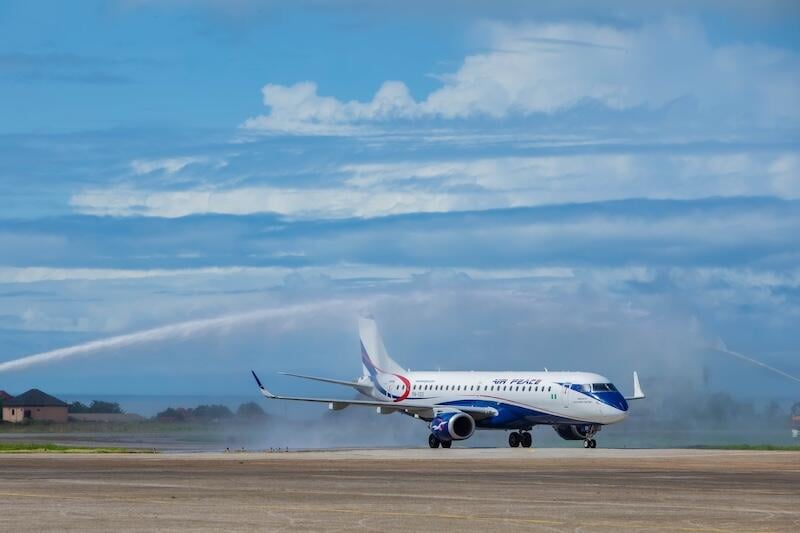
Nigeria’s Air Peace became one of the latest airlines to enter the Guinean market, launching service to Conakry on Aug. 1.
The network expansion is being supported by rising demand. Conakry handled 545,330 passengers during the first half of 2026, up 22.2% from 446,335 a year earlier. Traffic had already increased 21.4% during 2025 to 957,820 passengers, placing the airport on course to exceed 1 million annual passengers for the first time during 2026.
SOGEAG is seeking to consolidate traffic on existing routes while expanding into new markets. Asia and South America have been identified as longer-term priorities, although securing service will require sufficiently strong connecting and local demand to support routes beyond Conakry’s established regional and European markets.
More News And Analysis From Routes World 2026
However, Koulibaly said the airport’s current expansion program temporarily restricts its ability to accommodate multiple new airlines. In the near term, SOGEAG is therefore placing greater emphasis on increasing frequencies and aircraft capacity among incumbent operators.
The capacity pressure reflects the pace of Conakry’s recent traffic increase. The existing passenger terminal was designed for approximately 500,000 passengers annually—about half the volume now passing through the airport.
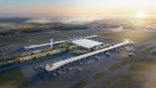
A new 32,000-m² (344,400-ft.²) passenger terminal is planned to increase annual capacity to 3 million passengers. The wider modernization program also includes a new control tower, additional taxiways, administrative facilities, a fire station, a presidential pavilion, a hotel complex and improvements to the runway and vehicle parking.
The Guinean government and Turkish partner Albayrak signed a memorandum of understanding in December 2025 covering financing for the second phase of construction. That phase includes the passenger terminal, runway reinforcement and widening, the control tower and a two-level parking facility.
Cargo infrastructure has moved ahead more quickly. A new 3,600-m² cargo terminal with annual processing capacity of 20,000 metric tons entered operation about four months ago, according to Koulibaly. The facility is intended to improve freight handling and provide additional capacity for Guinea’s import and export flows.

Related Content