Germany’s aviation market is being held back by high regulated costs and limited airline capacity rather than weak passenger demand, according to Fraport COO Dietmar Focke.
“Germany’s slower recovery reflects two main constraints: a high and less predictable cost base, and limited airline capacity,” Focke told Routes. “Overall, the issue is not a lack of demand, but a shortage of available capacity.”
He said Germany’s air transport tax, aviation security charges and air traffic control charges collectively doubled between 2019 and 2026. Fleet availability has added another constraint, with aircraft delivery delays and engine-related maintenance limiting airlines’ ability to deploy capacity.
The effect is highlighted in airline schedules. OAG Schedules Analyser data shows carriers offered approximately 87.8 million departure seats from German airports during summer 2026, down 0.7% year over year. Scheduled departures fell by 3.4% to about 478,300.
The forthcoming winter season shows German airports are scheduled to offer 47.95 million departure seats during winter 2026-27, down 1.3%, while departures decline 3.9% to approximately 260,500.
More News And Analysis From Routes World 2026
Domestic connectivity remains the weakest part of the market. Domestic capacity fell 4% during summer 2026 as international seats remained broadly flat. The divergence is expected to widen this winter, with domestic capacity down 8.8% to 6.43 million seats and international capacity unchanged at about 41.52 million.
“Taxes and regulated charges influence where carriers deploy scarce aircraft, while delayed deliveries and engine-related maintenance continue to restrict fleet availability,” Focke said. “Industrial action, fuel-price volatility and geopolitical disruption have added short-term pressure.”
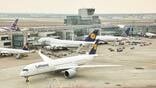
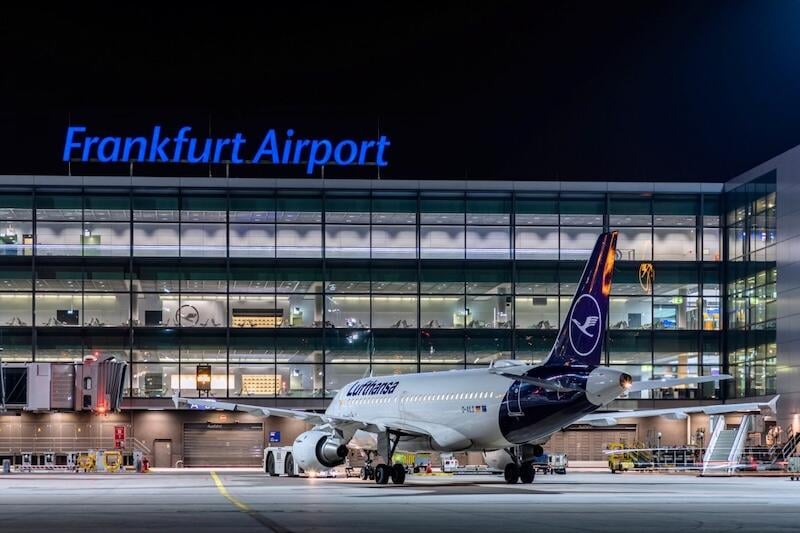
Frankfurt Airport has not been immune. Its scheduled summer capacity remained almost unchanged at 25.54 million departure seats, but the number of flights declined 3.2%. The winter schedule shows seats falling 2.7% and departures dropping 5%.
Focke said Frankfurt nevertheless retains a large local market, extensive connecting traffic, strong corporate and premium demand, and a cargo operation capable of supporting long-haul route economics.
“Airlines are right to focus on the total cost of operating in Germany,” he said. “Airports and carriers depend on the same traffic base, and neither benefits if the location loses competitiveness.”
Fraport is seeking to strengthen Frankfurt’s position through infrastructure investment, greater automation and more reliable passenger and baggage processes. However, Focke drew a distinction between airport investment and government-imposed costs.
“A competitive German aviation market requires transparency and efficiency from infrastructure providers and a policy framework that enables airlines to deploy capacity with long-term confidence,” he said.

Related Content