Royal Jordanian Posts Strong 2025 Profit Despite Global Challenges
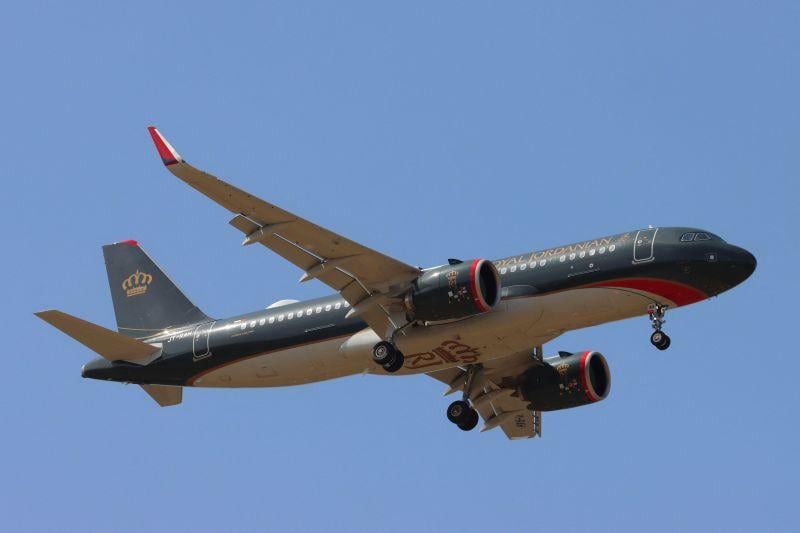
Royal Jordanian recorded a net profit of JOD21.5 million ($30.3 million) in 2025, marking a sharp turnaround from its net loss of JOD3.5 million in 2024.
The improved results were supported in part by non-recurring capital gains from the sale of 17-year-old Embraer aircraft and spare parts. Annual revenues reached approximately $1 billion, with operating expenses largely aligned with revenue levels.
Passenger traffic rose sharply during the year, with total passengers increasing 18% to 4.4 million, compared with 3.7 million in 2024. The airline also achieved an aircraft load factor of 81%, the highest in its history.
Royal Jordanian vice chairman and CEO Samer Majali described the results as early evidence of the airline’s ongoing transformation plan.
“This reflects the strength of the operating model and the effectiveness of cost-control policies and revenue optimization,” Majali said. “A qualitative leap was achieved in the company’s operational and financial performance, accompanied by record levels of on-time performance, placing the airline among the top five airlines worldwide.”
Majali confirmed the carrier transported 826,000 tourists to Jordan during the year, highlighting the airline’s role in supporting the country’s tourism sector.
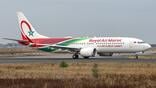
Fleet expansion and modernization also continued in 2025. Royal Jordanian introduced 19 aircraft and phased out 12 older aircraft, completing the renewal of approximately 70% of its fleet.
Despite the stronger performance, the airline faced several challenges, including global aircraft delivery delays caused by supply-chain disruptions. Majali also cited the impact of the war in Gaza, its humanitarian and security repercussions, and broader regional instability, all of which weighed on travel demand and the aviation sector.
Looking ahead, Royal Jordanian plans to continue its expansion with eight additional Airbus A320neo family aircraft expected to join the fleet. The airline is also scheduled to receive the first two of nine Boeing 787-9 aircraft early in the coming year.
As a result of the modernization program, the airline’s average fleet age is expected to fall significantly, from 9.6 years to approximately four years, between 2025 and 2028.

Related Content