This article is published in Aviation Daily part of Aviation Week Intelligence Network (AWIN), and is complimentary through Feb 20, 2026. For information on becoming an AWIN Member to access more content like this, click here.

Korean Air’s Quarterly Profit Boosted By Japan, China Demand

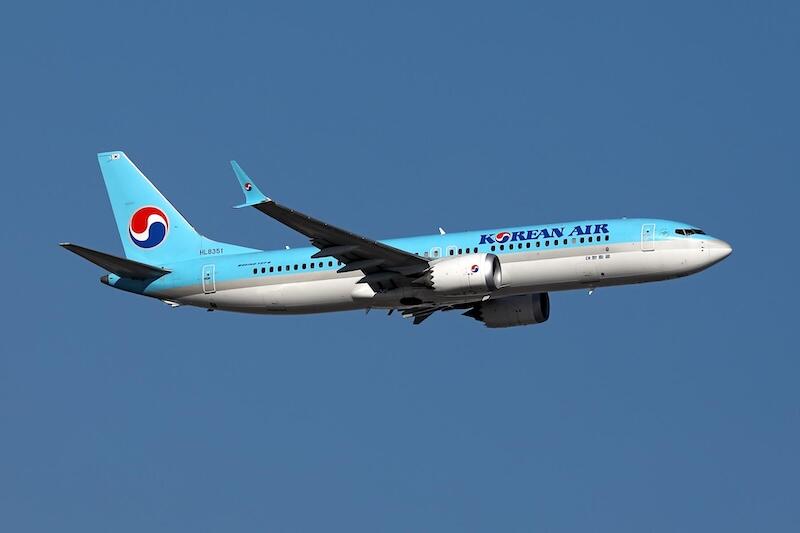
korean air 737-8
Credit: Rob Finlayson

Korean Air reported a higher net profit for the fourth quarter of 2025, boosted by strong short-haul passenger demand in key international markets.

The carrier cited surging holiday-period demand in October 2025 on its Chinese and Japanese routes in particular. This was helped by visa-free policies in the South Korea–China market and a favorable exchange rate in the Japanese market.

Revenue growth on North American routes was relatively flat, thanks to “tighter [U.S.] entry regulations and intensifying competition on West Coast routes,” the carrier said.

Passenger capacity increased 4.4% year-on-year in the fourth quarter, although load factor declined by 1.5 points year-on-year to 83.7%.

In the first quarter of 2026, Korean Air “plans to maximize passenger revenue by boosting sales in overseas markets to offset the weak Korean won and softening outbound demand from Korea.”

On the cargo side, Korean Air reported a “moderate increase” in demand, partly due to reduced market volatility following U.S.–China tariff negotiations. Other factors were solid peak season volume and steady e-commerce flows.

For 2026, Korean Air noted that the cargo market “remains uncertain due to the spread of protectionism and global economic growth slowdown.”

Korean Air achieved a net profit of KRW284 billion ($193 million) in the fourth quarter, up by 13% from the same quarter a year earlier. However, the full-year net profit was down 21% year-on-year to KRW965 billion.

The carrier’s passenger fleet ended the quarter with a year-on-year net gain of three aircraft. Its widebody fleet was down by two aircraft, as the addition of nine Boeing 787s through the year was offset by retirements of other types. Korean Air’s narrowbody fleet was up by five thanks to the addition of four Airbus A321neos and one 737-8.

Adrian Schofield

Adrian is a senior air transport editor for Aviation Week, based in New Zealand. He covers commercial aviation in the Asia-Pacific region.