This article is published in Aviation Daily part of Aviation Week Intelligence Network (AWIN), and is complimentary through Jun 11, 2026. For information on becoming an AWIN Member to access more content like this, click here.

CEO Says New Honeywell Aerospace Will Be Humble, Not Handcuffed
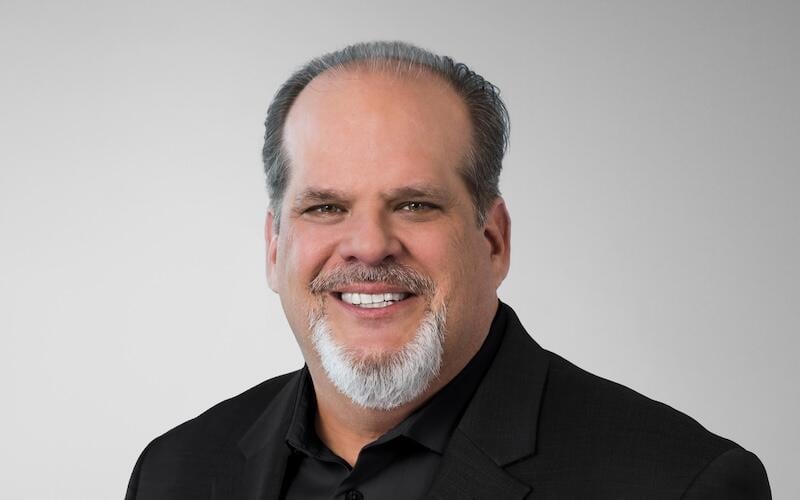
Honeywell Aerospace CEO Jim Currier
Credit: Honeywell Aerospace

PHOENIX—The head of Honeywell Aerospace, which will spin out on its own from Honeywell International at the end of the month, asserted the Tier 1 aerospace supplier and defense prime will no longer be handcuffed in its investments, supply chain management and acquisitions as a standalone company.

But CEO Jim Currier, who sat down with Aviation Week editors at Honeywell Aerospace headquarters here, also vowed to be responsive and collaborative with Honeywell Aerospace customers, employees and suppliers, acknowledging that the company’s reputation has suffered in recent decades.

“Coming into the role in August of 2023, I fully recognized a significant issue we had in the terms of customer perception. Without a doubt,” he said after questioned. “I over indexed my time and that of my leadership team to address customer sentiment. Part of that is being exceptionally transparent with customers.”

As part of multi-industrial conglomerate Honeywell International, Honeywell Aerospace was subject to the corporation’s “playbook,” supply chain management strategy and business operating system that maximized productivity, efficiency, rooftop consolidation, single sourcing, and outsourcing across the board. To their credit, Honeywell Aerospace under former leadership “ran it well,” Currier said. But the playbook has changed post-pandemic.

“One thing that I have found within Honeywell Aerospace is that if it’s within our four walls and it’s a crisis, we can mobilize whatever we need to do to get it resolved. If it’s in someone else’s four walls to get it resolved, that’s a little bit more difficult to do–and particularly if you were sole source with a particular supplier. So, part of what we’re doing to address the customer perception issue is I am exceptionally transparent about investments, exceptionally transparent about where we are dual-sourcing and multi-sourcing and insourcing where we continue to have pain points. And again, going into this in a very humble manner, you know, with the major OEMs and with the airlines.

“Are we perfect? No, we’re not,” Currier continued, “and part of that is I’m trying to unravel a supply chain strategy that had been in place for over a decade and we’re only three years into this journey.”

Currier said when he took the top job, he had a watch list of troubled suppliers that counted “hundreds,” while today it is roughly 10. Generally, smaller, family-owned mechanical suppliers, or those who provide parts and systems, tend to be more problematic than electronic suppliers because the mechanical suppliers still deeply depend on skilled labor that has become a premium across industry after COVID-19. He did not identify any suppliers.

Still, Currier said he wants to take a holistic approach to customers, suppliers and employees and away from a transactional approach. “It’s an emotional journey for sure,” the CEO said. “The way I look at the business is there’s no such thing as just a customer ecosystem, an internal ecosystem and a supply ecosystem. It’s one ecosystem and it all has to work together.”

Currier said his spending priorities will begin with driving organic growth of commercial, defense and space, business aviation and aftermarket business lines. The company also will make sure to make returns to shareholders—“somewhere in the 30% range of dividends, which will be competitive,” he said—then look for bolt-on and tuck-in acquisitions, as well as partnerships with other companies. Finally, the company will repurchase outstanding shares.

By 2030, Honeywell Aerospace is forecasting a compound annual growth rate of 6-8% in organic sales from the $17.7 billion reached in 2025, as well as adjusted pretax earnings of more than $6.5 billion from the $4.3 billion last year. Free cash flow should grow to more than $4 billion from the 2025 pro forma amount of $2.5 billion. But growth may not be linear since the company expects to be making capital expenditure and working capital investments after standing up on its own.

Asked what he wants Honeywell Aerospace’s reputation to be by the end of the decade, Currier said “recognition as being a premier tier one provider of the most innovative technological systems solutions that provide enhancements of safety and reliability and efficiency and truly enables the future of flight ... both on the commercial side and then also recognition of what Honeywell Aerospace does for national security and defense as well.”

Michael Bruno

Based in Washington, Michael Bruno is Aviation Week Network’s Executive Editor for Business. He oversees coverage of aviation, aerospace and defense businesses, supply chains and related issues.

Guy Norris

Guy is a Senior Editor for Aviation Week, covering technology and propulsion. He is based in Colorado Springs.