This article is published in Aerospace Daily & Defense Report part of Aviation Week Intelligence Network (AWIN), and is complimentary through Aug 24, 2026. For information on becoming an AWIN Member to access more content like this, click here.

Honeywell Aerospace CEO Puts Organic Growth Ahead Of Rich M&A Offers

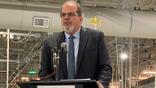
Jim Currier

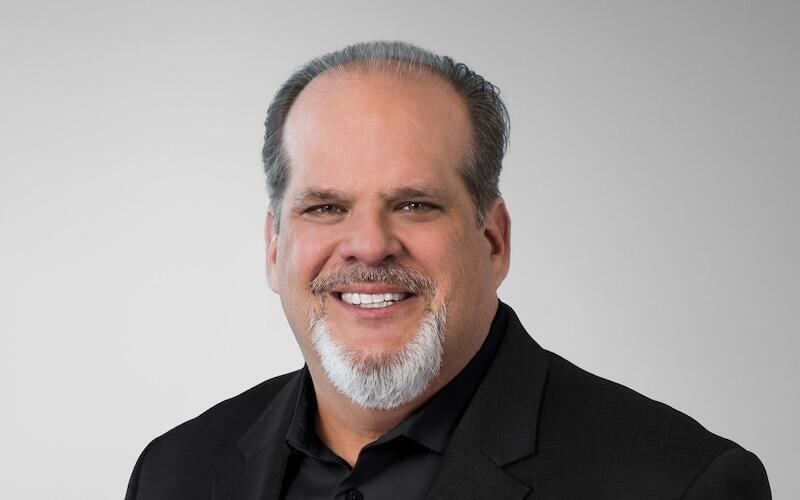
Jim Currier, Honeywell Aerospace CEO.

Credit: Honeywell Aerospace

LONDON—Honeywell Aerospace may be looking at an embarrassment of riches for merger and acquisition opportunities, but the priority for its investment capital is organic growth given the strong backlog and demand signals, CEO Jim Currier says.

“I've never seen our M&A ledger of opportunities that are in front of us any greater,” Currier told reporters on the eve of the Farnborough Airshow. Some of those potential targets are abroad.

Still, Currier said the business—which spun out of Honeywell less than a month ago—sees organic growth as its top capital deployment priority, followed by M&A, dividends and potentially opportunistic share repurchases.

“We have so much demand for our products and our technologies that the best place for me to deploy capital today is in, you know, driving the organic growth of the business,” he noted. Given the backlog and strong business momentum on the commercial and defense side, “it would be foolish on my part and that of my management team if we were not investing to unlock and drive more growth out of the business,” Currier added.

Among the drivers of growth on the defense side are the pace of U.S. military operations, but also other geopolitical developments.

“The ongoing conflict within Iran is driving a substantial amount of need for sustainment around spares and repairs of these various aircraft that are being deployed overseas,” Currier said. Defense represents about 40% of company turnover.

Restocking expended munitions also is driving Honeywell Aerospace sales, with the company supplying components for most of the Pentagon’s munitions. Currier said the company in some areas will need to double, triple or quadruple output in the coming years.

In Europe, Honeywell Aerospace is seeing demand for more homegrown solutions. Currier said about 30% of its defense business is international.

A key issue to address the demand is managing supply chain bottlenecks. Currier said the company spent about $1.3 billion in the past three years to address supply issues. Honeywell Aerospace, like most of its peers, is trying to improve its supply chain through a combination of insourcing, dual- and multi-sourcing.

When it comes to potential M&A, Currier said the company will look at whether a potential target has differentiated technology, opens access to new clients, or has a business that Honeywell Aerospace can help expand internationally.

Robert Wall

Robert Wall is Executive Editor for Defense and Space. Based in London, he directs a team of military and space journalists across the U.S., Europe and Asia-Pacific.