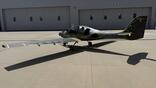
Heart Aerospace completed the first flight of its X1 demonstrator on Aug. 12.
California technology startup Sift is applying lessons learned from SpaceX’s test and operations infrastructure to aviation, providing electric aircraft developer Heart Aerospace with a common platform for analyzing telemetry data generated during ground and flight testing of its X1 demonstrator.
The software company supported Heart during airframe, powertrain and actuator testing, preflight checks and high-speed taxi testing ahead of X1’s first flight in August, Sift co-founder and CEO Austin Spiegel told Aviation Week. During the flight itself, Heart continued using the IADS flight-test system for personnel directly supporting the operation, while other observers used Sift to review telemetry. Flight data was then available in Sift immediately afterward for analysis.
“We bring all that data into one place,” Spiegel said. “After the flight, they had all that telemetry in Sift immediately, so they could go and basically look at what was happening during the flight of the aircraft.”
Sift’s platform is intended to replace workflows in which engineering data is spread across files, databases and tools such as MATLAB and LabVIEW. Engineers can use the platform to visualize telemetry, analyze test results and compare data generated at different stages of a hardware program.
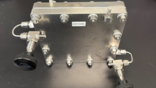
For Heart, that included structural load testing in which loads were applied to the X1’s wings to simulate conditions associated with flight, takeoff and landing. Spiegel declined to discuss specific findings from Heart’s testing, but said keeping ground and flight-test data together can allow engineers investigating a flight anomaly to compare it with conditions encountered during earlier tests.
The approach is heavily influenced by Spiegel’s more than five years at SpaceX, where he worked on internal software supporting spacecraft manufacturing and Starlink operations. SpaceX, he said, centralized data from simulations, component tests, integrated vehicle testing and operations, allowing engineers to reuse analytical tools throughout the hardware development cycle.
Sift also sees a role for the platform in aircraft certification. Spiegel said customers can automatically evaluate test telemetry against defined limits and generate structured reports and strip charts that can be submitted to the FAA as supporting compliance evidence.
The company is now expanding the platform with artificial intelligence (AI). Sift has previewed a Model Complex Protocol (MPC) server designed to let engineers query telemetry and compare results across different test runs. Spiegel said the longer-term goal is to enable AI agents to assist with tasks such as root-cause analysis.
He expects such capabilities to become increasingly important as aerospace companies seek to use AI while maintaining the security and compliance protections required for sensitive engineering data.
“Software is becoming increasingly integrated with hardware,” Spiegel said, arguing that aviation manufacturers will need to develop better ways to test the two together.

Related Content