
Delta signs SAF offtake agreement with Aemetis
Delta Air Lines has signed an offtake agreement with California-based Aemetis, Inc., a renewable fuels company focused on negative carbon intensity products, for 250 million gallons of blended fuel containing SAF to be delivered over the 10-year term of the agreement. The aggregate value of the agreement is estimated to be more than $1 billion.
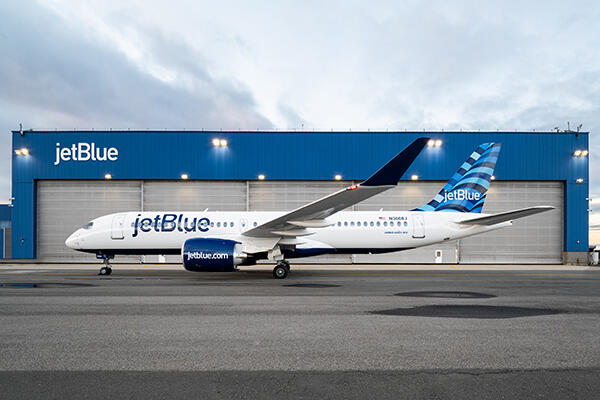
JetBlue accelerates SAF transition plans
New York-based JetBlue doubled a previous commitment with bioenergy developer SG Preston, announced in 2016, and now plans to take delivery of 670 million gal. of blended SAF over 10 years beginning in 2023. The fuel will be delivered to New York’s JFK, LaGuardia and Newark airports. Aemetis is building a 90 million gal./year renewable fuels plant in Riverbank, California, with production planned to begin in 2024.

Safran, TotalEnergies partner on emissions reduction
Safran and French energy group TotalEnergies agreed to jointly develop technical and commercial solutions designed to accelerate the reduction of carbon dioxide emissions from the aviation industry. Safran and TotalEnergies’ collaboration will capitalize on their respective areas of expertise for the development and deployment of sustainable aviation fuels (SAF), with a short-term goal of making current engines compatible with fuel containing up to 100% SAF. Longer term, the partners will work to optimize engine/fuel energy efficiency and environmental performance.

Air New Zealand aims for zero-emissions aircraft
Air New Zealand will be phasing out its Bombardier Q300 turboprops after 2030, and it wants to replace them with a zero-emissions model. The airline also signed an agreement with Airbus to undertake a joint research initiative focused on hydrogen aircraft and fuel supply infrastructure. This is the first such hydrogen research collaboration Airbus has launched in the Asia-Pacific region and its third globally. Previous agreements have been reached with UK LCC easyJet and Scandinavian Airlines (SAS).

Honeywell, Wood to produce carbon-neutral SAF
Honeywell UOP and hydrogen production specialist Wood joined forces to further reduce the lifecycle greenhouse gas emissions of sustainable aviation fuel to produce a carbon-neutral jet fuel. The companies are aiming for widespread use of the technology by 2030. UOP’s Ecofining process converts waste oils, fats and greases into sustainable aviation fuel (SAF) via the HEFA (hydroprocessed esters and fatty acids) pathway. When using feedstocks such as used cooking oil, lifecycle greenhouse gas emissions are reduced by 80% compared with conventional jet fuel, the companies said.

Spanish partners to convert Caravan to hydrogen fuel-cell propulsion
Spanish airlines Volotea and Air Nostrum, with Spanish/Australian startup Dante Aeronautical, plan to convert the Cessna Grand Caravan to hydrogen fuel-cell propulsion, aiming for first flight early in 2024. The partners have applied for Spanish government funding support and are aiming for European Union Aviation Safety Agency supplemental type certification for the conversion as early as 2025. The goal is to be able to fly missions longer than 200 km (125 mi.) with nine passengers and zero emissions, although range and/or payload may be less than that initially, Dante said. Dante is also working with Sydney Seaplanes in Australia to convert the Caravan to all-electric propulsion, targeting entry into commercial service in three years. Where the Australian-certified electric Caravan will use batteries only, the Spanish version will use a fuel-cell system for cruise, augmented by batteries for takeoff and climb. Both will use a common platform with the same 640-kW (850-hp) magni650 electric propulsion unit from MagniX.

Heart Aerospace picks French designer for ES-19 doors
Swedish startup Heart Aerospace selected France’s Latecoere to complete preliminary design of the doors for its ES-19 all-electric 19-seat regional airliner. The aircraft is planned to enter service in 2026. Paris-based Latecoere will be responsible for design of the passenger doors, emergency exits and baggage hold doors. Heart has previously announced that the UK’s Electroflight will develop the high-energy electric battery system for the ES-19, which is designed for ranges up to 400 km (250 mi.).

Universal hydrogen selects Toulouse for new center
US startup Universal Hydrogen selected Toulouse as the location for its second design and engineering center, establishing a presence in Europe as Airbus advances its plans to field a hydrogen-fueled airliner by 2035. The company is leasing Hangar B16 at Toulouse-Blagnac Airport. Headed by former Airbus executive Pierre Farjounel as general manager of Universal Hydrogen’s (UH2) European operations, the center will focus initially focus on development of a liquid hydrogen capsule for the company’s modular storage and logistics system. The Toulouse engineering center will also support development of conversion kits for retrofitting regional aircraft with a hydrogen fuel-cell power train. To kick-start the aviation market for hydrogen, UH2 is developing fuel-cell retrofits for the De Havilland Canada Dash 8 and ATR 72, aiming for entry into commercial service in 2025.

Shell aims for 10% of SAF sales by 2030
Royal Dutch Shell has set a target of producing 2 million metric tons of SAF a year by 2025. The Netherlands-based company is also aiming for 10% of its global aviation fuel sales to be SAF by 2030. The 2025 target, equivalent to about 655 million gal., is small compared with the 95 billion gal. of fossil jet fuel consumed globally by airlines in 2019. But Shell is not currently a producer of SAF, and the ambition represents a significant near-term scale-up in supply. Of the 2 million-metric-ton 2025 target, at least 400,000 metric tons are expected to be produced at a new biofuels facility in Rotterdam, the Netherlands. Shell announced the final investment decision on Sept. 16, 2021, and the 820,000-metric-tons-a-year facility is expected to start production in 2024.
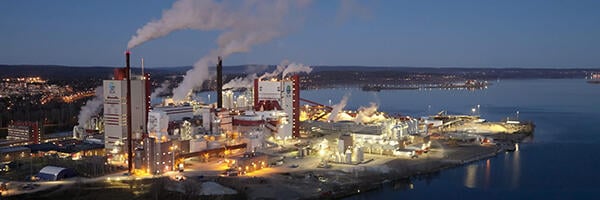
Swedish JV to produce, sell biofuels
Sweden-based SCA, Europe’s largest private forest owner, and Nordic energy company St1 have established a joint venture to produce and sell liquid biofuels, including sustainable aviation fuel. The joint venture will own 50% of St1’s Gothenburg Biorefinery in Sweden, which is planned to become operational in the 2023 second quarter with a capacity of 200,000 metric tons of liquid biofuels, mainly renewable diesel and sustainable aviation fuel (SAF). SCA will supply the biorefinery with feedstock in the form of tall oil, a byproduct of producing wood pulp using the kraft process at its mills in Sweden. Under the agreement, St1 also will become a 50% owner of SCA’s Ostrand Biorefinery in Sweden. The planned facility has received environmental permits to produce 300,000 metric tons of liquid biofuels derived from sawdust, bark and black liquor, another byproduct of kraft pulp production.
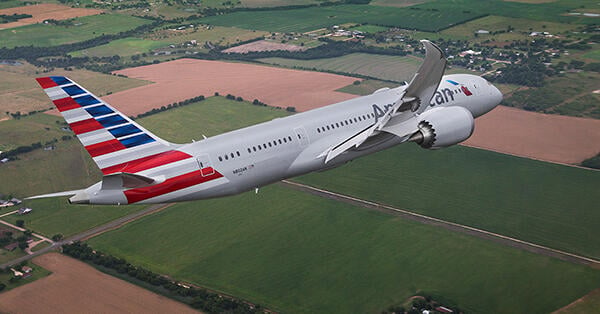
American partners on Gates’ clean energy initiative
American Airlines has become an anchor partner in Breakthrough Energy Catalyst, investing $100 million in the Bill Gates-founded initiative to accelerate clean energy technologies needed to achieve net-zero carbon emissions by 2050. Founded in 2015, the Catalyst brings together companies, governments and private philanthropy to coordinate investments and direct them toward technologies that are currently too expensive to be adopted at scale. The goal is to reduce that “green premium” cost penalty and get them to market faster. The Catalyst will start by funding projects in sustainable aviation fuel, green hydrogen, direct air capture of CO2 and long-duration energy storage. American also announced it had agreed terms to purchase up to 10 million gal. of carbon-neutral SAF produced by Prometheus Fuels, a US startup developing a process to produce liquid fuels from captured atmospheric CO2 and renewable electricity at costs competitive with fossil fuels.

SWISS trials app to fight food waste
Swiss International Air Lines (SWISS) is trialing the possibility of offering its customers unsold food items at reduced prices on its services from Geneva, in collaboration with its partner “Too Good To Go.” The new concept consists in offering any fresh food items that remain unsold on certain services at the end of the flight concerned. These items’ availability is communicated via an inflight announcement, and interested passengers are offered a bag containing one, two or three such fresh food items at one third of their usual price. The bag’s contents are not revealed in advance and remain a surprise for the purchaser. SWISS head of Western Switzerland Romain Vetter said the first results from these trials “have been promising. The new approach has been well received by our passengers on the flights concerned. We’re now awaiting a final analysis of the trials’ findings to decide if we should extend it to further routes.”

Shell to produce SAF in new Rotterdam facility
Royal Dutch Shell will build an 820,000-tonnes-a-year biofuels facility in Rotterdam, the Netherlands, which should be among the biggest SAF production facilities in Europe once finished. The facility, which will be located at the Shell Energy and Chemicals Park Rotterdam, formerly known as the Pernis refinery will produce SAF as well as renewable diesel made from waste, with production expected to begin in 2024. SAF could make up more than half of the 820,000-tonnes-a-year capacity, with the rest being renewable diesel.
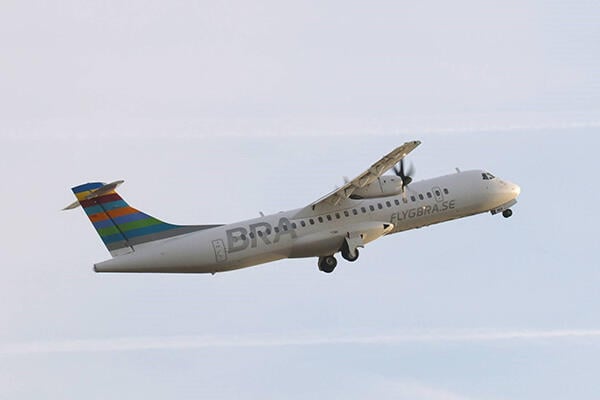
ATR, Braathens Regional Airlines partner with Neste on SAF
Swedish airline Braathens Regional Airlines (BRA), ATR and SAF producer Neste will partner on the certification of 100% SAF of ATR aircraft to fly with 100% Neste MY Sustainable Aviation Fuel. The companies aim to show a demonstration flight in 2022, with one of Braathens Regional Airlines’ ATR aircraft flying with 100% SAF in one engine and 50% SAF in the other, for an anticipated emissions reduction of 64%. It is expected that an ATR flying with 100% sustainable aviation fuel in both engines would reduce CO2 emissions by 82%, if it were flying one of Braathens Regional Airlines’ typical routes. This collaboration follows the successful Perfect Flight venture in 2019 in which every aspect of a BRA ATR flight was optimized, including the use of a 50% SAF blend. This led to a saving of 46% of CO2 emissions, compared to a standard flight.

Italy, US announce more SAF initiatives
A slew of sustainability initiatives continue to be rolled out by the aviation industry as the opening of United Nation’s COP26 climate change conference in Glasgow at the end of October draws closer. In Italy, energy company Eni and Rome airport operator ADR have signed a strategic agreement that will see the introduction of SAF for aircraft and renewable diesel for ground handling vehicles “over the coming months” at Rome’s Fiumicino and Ciampino international airports. Eni can produce SAF from waste and biomass at its Venice and Gela biorefineries, and ADR has committed to net-zero operations by 2030 and in April completed a €500 million sustainability-linked bind issue. In the US, energy infrastructure company Kinder Morgan partnered with Finnish fuel produce Neste to crate a domestic raw-materials storage and logistics hub to support increased production of renewable diesel and SAF. Kinder Morgan’s Harvey, Louisiana facility will serve as the primary hub where Neste can store feedstocks including used cooking oil collected from more than 40,000 restaurants across the US. The project, which is supported by a long-term commercial commitment from Neste, is expected to begin operations in the first quarter of 2023.
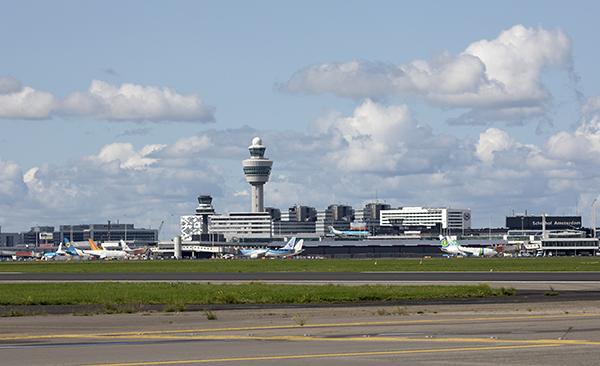
Schiphol to lead European airport sustainability project
A research project to improve the sustainability of airports by eliminating emissions and waste, led by Royal Schiphol Group, has been awarded €25 million ($29.5 million) in funding by the European Commission. The four-year TULIPS project (for Demonstrating Lower Polluting Solutions for Sustainable Airports Across Europe) will kick off in January 2022 and use Amsterdam Schiphol Airport as the proving ground for 17 demonstrator projects. The projects will include improving the multimodal transfer of passengers and cargo, enabling ground handling equipment to operate emissions-free, establishing airside infrastructure for recharging electric and hydrogen aircraft, and ensuring the airport can run self-sufficiently on renewable energy. Large-scale supply of sustainable aviation fuel will be introduced and optimized, and the circular use and reuse of materials improved. Airside demonstrations of capturing ultrafine particulate matter emissions from aircraft takeoffs and landings are also planned. The TULIPS project is expected to achieve estimated savings of 800 metric tons of carbon dioxide a year by 2025 at Schiphol, said CERIS, the Civil Engineering Research and Innovation for Sustainability center at Spain’s Instituto Superior Tecnico. CERIS and the University of Antwerp will lead evaluation of performance of the 17 demonstrations to be conducted under TULIPS.
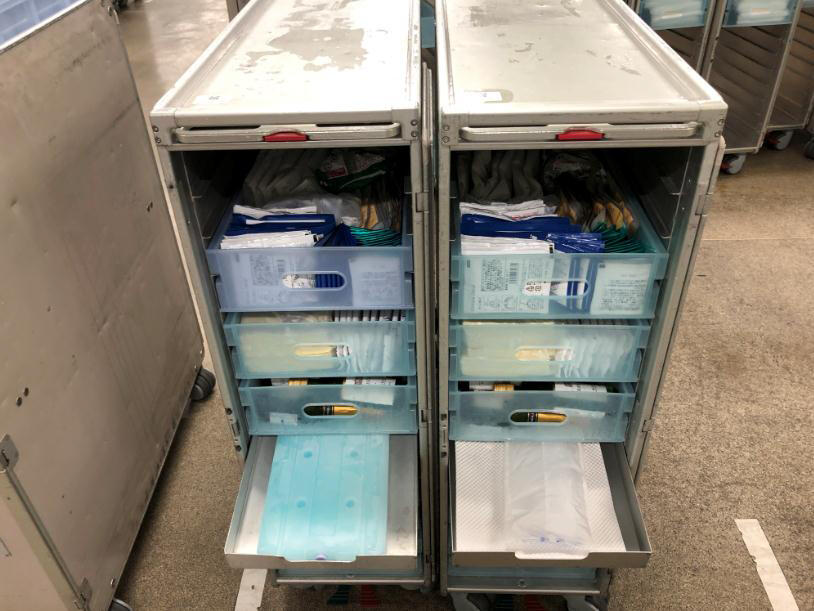
ANA switches from dry ice to new refrigerant to cool inflight meals
All Nippon Airways (ANA) switched from dry ice to an innovative refrigerant to cool inflight meals and drinks on domestic flights. The new refrigerant will help reduce CO2 emission levels by approximately 1,700 tons/year as well as cut waste from packaging materials by approximately 30 tons/year, resulting in an annual cost reduction of approximately 200 million yen (80% cut). The newly introduced refrigerant is made of material used as food additives, which is harmless for humans and will help maintain the inflight meals and beverages at a stable temperature with its capability to maintain cool for a long period of time. In addition, by using the same device repeatedly, the amount of packaging materials used with dry ice will be reduced by about 30 tons per year, which is expected to cut costs by about 200 million yen per year (about 80%).

Korean Air, SK Energy partner on carbon-neutral jet fuel
Korean Air has partnered with SK Energy, a major petroleum and refinery company in Korea, to introduce carbon-neutral jet fuel to actively counter climate change. Through the partnership, the airline will purchase a month’s worth of carbon-neutral jet fuel for domestic flights departing from Jeju and Cheongju. In line with the global aviation industry’s efforts for sustainable growth, Korean Air is seeking various methods to reduce carbon emissions to achieve carbon-neutral growth and fight climate change.
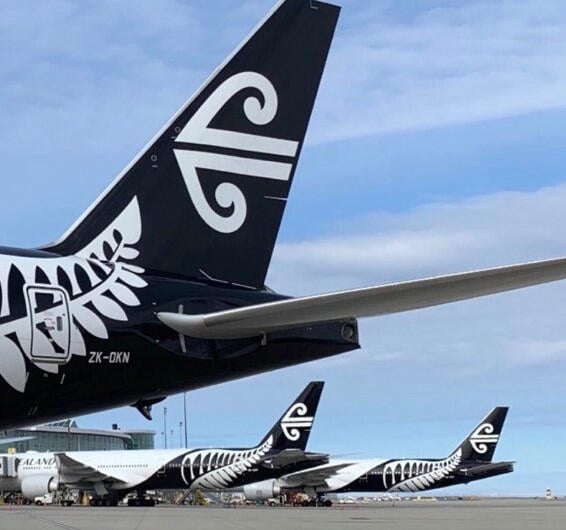
Air New Zealand looks for local SAF producer
Air New Zealand is collaborating with the New Zealand government to identify a potential supplier of sustainable aviation fuel (SAF) for the carrier. The airline signed an MOU with New Zealand’s Ministry of Business, Innovation and Employment for this initiative. The partners will run a request for proposals (RFP) process inviting applicants to “demonstrate the feasibility of operating a SAF plant at a commercial scale in New Zealand.”

Global aviation stakeholders commit to 10% SAF target by 2030
A voluntary commitment to achieve 10% SAF use in global aviation by 2030 has been announced by 60 companies in the World Economic Forum’s Clean Skies for Tomorrow Coalition. The signatories include airlines, airports, fuel suppliers and other industry stakeholders, plus non-aviation companies that rely on corporate air travel for their business operations. All Nippon Airways (ANA) and Boeing are both signatories.

Air New Zealand trials eco-serviceware
Air New Zealand is trialing new eco-serviceware in its international economy cabin in a new trial to reduce plastic and carbon emissions. The Auckland-based airline recently tested two different casserole dish materials, bagasse and rotable plastic, along with a birchwood cutlery alternative on four of its Rarotonga flights. The carrier said the initiative has the potential to remove around 28 million single-use plastic dishes and knives, forks and spoons every year.
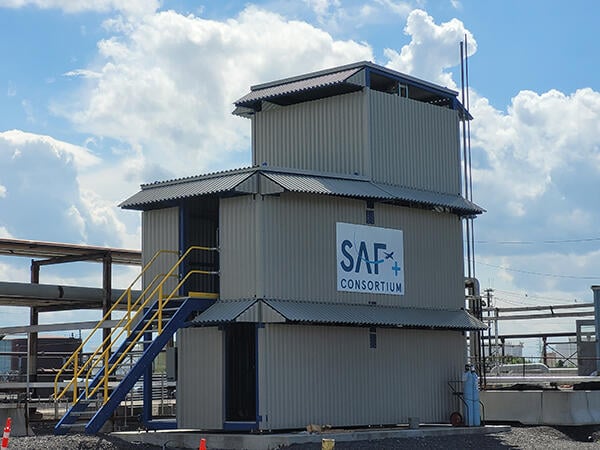
Canadian SAF+ Consortium produces e-fuels
Canada’s SAF+ Consortium, a finalist in the Canadian government’s Green Aviation Fuels Innovation Challenge, has produced the first few liters of synthetic kerosene at its pilot plant in Montreal. This is one the first power-to-liquid sustainable aviation fuels to be produced in North America, said the consortium, which includes Airbus, Air Transat and Aeroports de Montreal. Power-to-liquid (PtL) or e-fuels are produced by capturing carbon dioxide and combining it with green hydrogen generated using renewable energy. Because the process recycles CO2 released into the atmosphere when fuel is burned, e-fuels promise near net-zero life-cycle carbon emissions. PtL fuels are being pursued aggressively in Europe. The RefuelEU Aviation SAF legislation proposed in July would mandate a minimum 0.7% of e-kerosene from 2030, increasing to a minimum of 28% of European jet fuel supply by 2050.
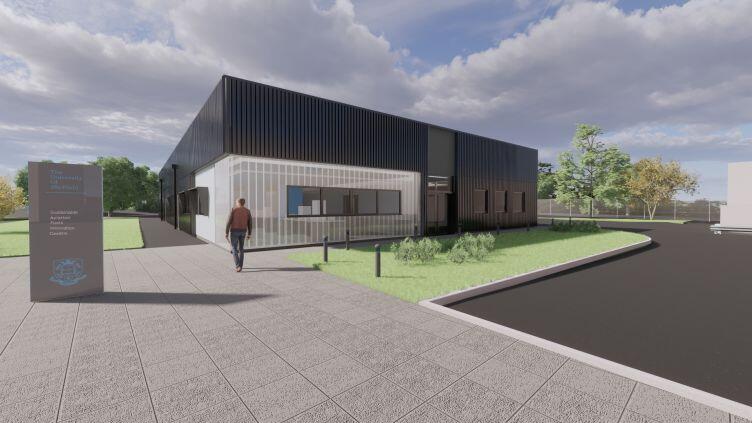
UK to build SAF research, testing and certification center
The UK plans to build a center to lead research, testing and certification of new SAFs. The Sustainable Aviation Fuels Innovation Center (SAF-IC) will be established at the University of Sheffield, England, and is planned to be operational by July 2022. Jointly funded by the European Regional Development Fund and the university, the center will act as a clearing house to validate and certify new fuels. SAF-IC will be the first center in Europe able to capture CO2, produce green hydrogen, convert them to SAFs and analyze their performance.
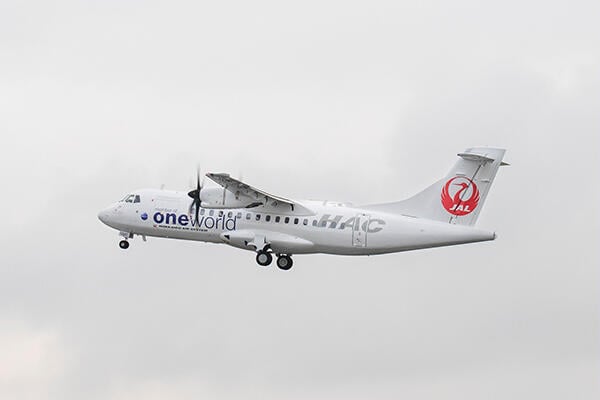
Japan regional Hokkaido flies new ATR using SAF
Japanese regional Hokkaido Air System operated a new ATR 42-600 using SAF for the first leg of its ferry flight. It is pictured here in oneworld livery. The ATR has proven to be successful in connecting communities across the Japanese archipelago, thanks to its effectiveness at taking-off and landing on short runways. This is the third ATR 42-600 that the airline has received since its first delivery in December 2019 and becomes the 14th ATR -600 to operate in Japan.
In addition to reducing plastic usage and adopting environmentally friendly materials in the cabin, airlines are realizing that more must be done to tackle environmental sustainability issues such as corporate partnerships, as green deadlines approach. Here is a look at some current sustainability initiatives.