
Sustainable Aviation Fuel
With governments and airlines committed to decarbonizing aviation by 2050, innovative solutions are required and sustainable aviation fuels (SAF) could play a major role in meeting targets. IATA estimates that SAF could contribute around 65% of the reduction in emissions needed by aviation to reach net-zero in 2050. This will, however, require a massive increase in production in order to meet demand.
Top Story
Sponsored Content
Latest News On Sustainable Aviation Fuels
Jul 22, 2024
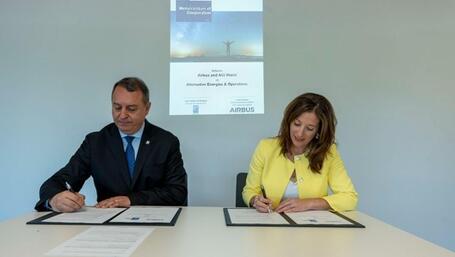
Airbus and ACI World have agreed to work together to support the move towards sustainable aviation.
Jul 22, 2024
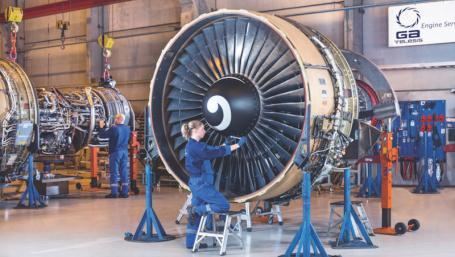
GA Telesis Engine Services (GATES) will begin using SAF at its engine testing operation, naming cargo airline DHL Express as the product's launch customer.
Jul 18, 2024
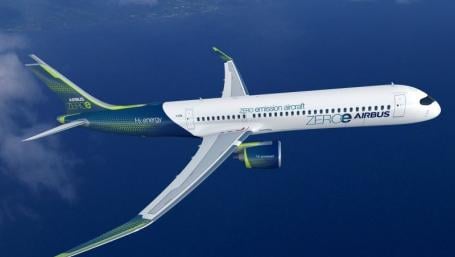
The International Council for Clean Transportation concludes that current manufacturer delivery projections are not consistent with the 2050 net-zero target.

Jul 17, 2024
Concerted effort and broad-based collaboration is required if business aviation is to maintain its social license to operate.

Jul 15, 2024
New aircraft technologies are being overlooked in the 2050 carbon net-zero quest, startups and researchers say.

Jul 09, 2024
Ricardo has been selected by the EASA to lead a consortium in creating the EU’s first SAF clearing house to support industry in scaling up supply.

Jul 08, 2024
At the 2024 IATA Annual General Meeting in Dubai, IATA leadership focused on sustainability and partnership, while questions of supply chain issues lingered.
Jul 03, 2024
The biofuels facility in Rotterdam is designed to produce sustainable aviation fuel (SAF) and renewable diesel from waste.