
Sustainable Aviation Fuel
With governments and airlines committed to decarbonizing aviation by 2050, innovative solutions are required and sustainable aviation fuels (SAF) could play a major role in meeting targets. IATA estimates that SAF could contribute around 65% of the reduction in emissions needed by aviation to reach net-zero in 2050. This will, however, require a massive increase in production in order to meet demand.
Top Story
Sponsored Content
Latest News On Sustainable Aviation Fuels

Oct 13, 2026
China's Sinopec and Shougang LanzaTech plan a 50,000-ton ethanol-to-SAF plant in Ningxia as the nation's biofuel sector expands.

Oct 07, 2026
Early sustainable aviation fuel tests reveal no maintenance concerns, but data challenges remain.
Oct 02, 2026
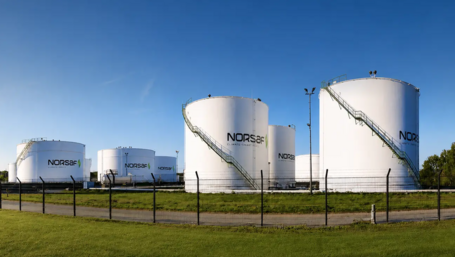
NorSAF and Nova Pangaea partner to build Latvia ethanol plant supplying sustainable aviation fuel production facility.

Oct 02, 2026
France backs a "double auction" system to accelerate e-SAF production, bridging producers and buyers to meet aviation decarbonization mandates.

Sep 30, 2026
SAF projects achieve demonstration milestones; commercial plants planned using forest residues, renewable gas and Fischer-Tropsch technology.

Sep 25, 2026
Germany, Austria and Luxembourg commit $2.28 billion to fund e-SAF production, aiming to accelerate growth and create a competitive European market.
Sep 24, 2026
New offtake agreements by airlines and energy firms drive sustainable aviation fuel production plans in the U.S. and Europe, boosting demand and investment.

Sep 22, 2026
Willie Walsh discusses his successor at IATA, SAF mandates and his next career step as CEO of IndiGo.