Engineers Kept Asking—PhD Student Built ‘Google Maps For Space’
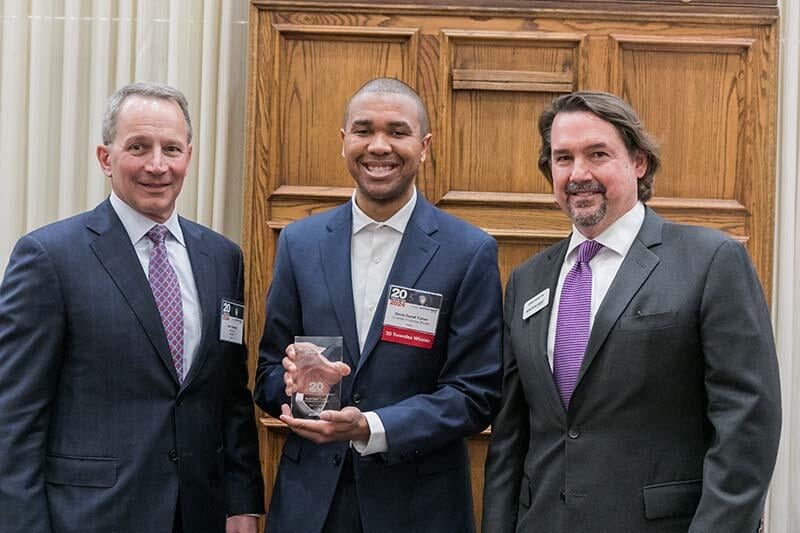
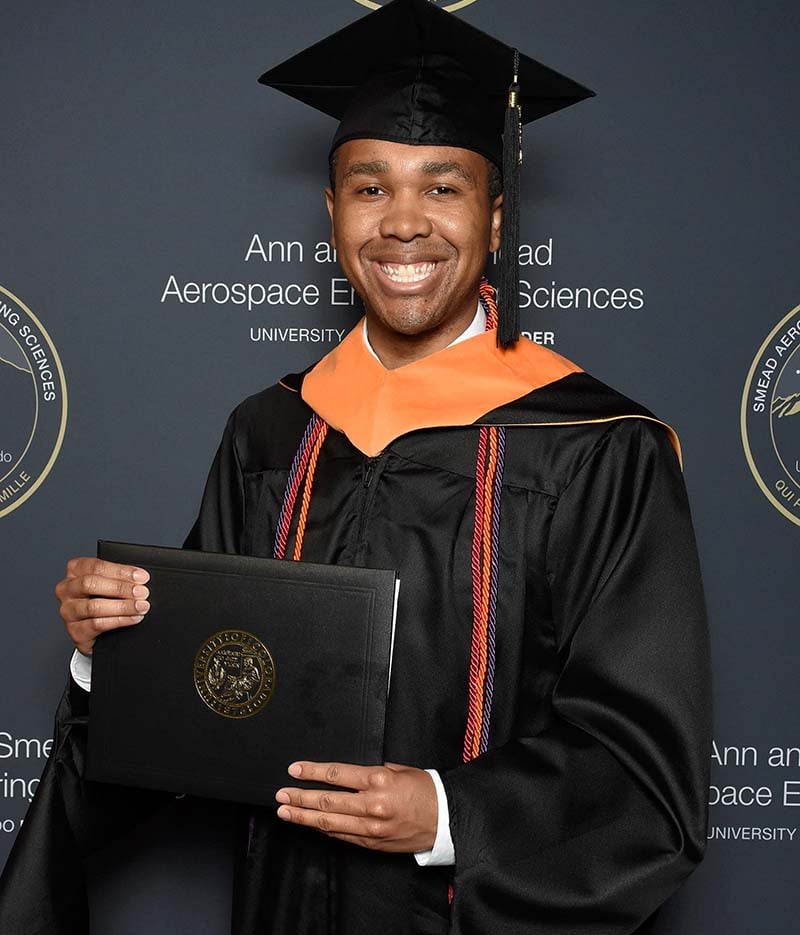
David Dezell Turner turned a 20 Twenties win into HoloAstro, a patent-pending AR platform he calls “Google Maps for space missions.” As Founder & CEO and a near-PhD, he’s translating astrodynamics research into intuitive tools, championing science communication, and paying forward the mentorship that shaped his path.
You reached out to share your story with us—what made you want to reconnect with the 20 Twenties program now?
The 20 Twenties program helped enable me to turn my graduate research into a startup. I’m so grateful for the opportunities this program afforded me, and I felt that this would be a great time to share how the program has shaped my career.
Tell us about your current role in aerospace and what it involves.
I am the founder and CEO of HoloAstro, which is essentially “Google Maps for space missions.” HoloAstro is a patent-pending 3D augmented reality tool designed to make mission design easier and faster, regardless of the user’s experience level. Users can plan space missions by manipulating 3D digital holograms with their hands, instead of having to do complex calculations on cumbersome 2D interfaces.
In my current role, I wear a lot of hats. I’m the inventor and sole developer of the tool, and I also run the business. It wasn’t a position I planned on having when I started grad school, but it very quickly became the best job I’ve ever had.
I am also a year away from completing my PhD. Working on a startup has enriched my PhD work by teaching me how to assess industry pain points and ensure my research is going toward something genuinely impactful.
When you won the award, what were your career goals? How have those evolved?
When I won the 20 Twenties, my main goal was to pursue an industry job in space mission design. This goal has since taken a bit of a different form. With HoloAstro, I do technically have a job in mission design, but my job is to design the most intuitive tool for both mission design and astrodynamics education.
What doors opened for you after winning the 20 Twenties award? Was there a pivotal moment or opportunity that stands out?
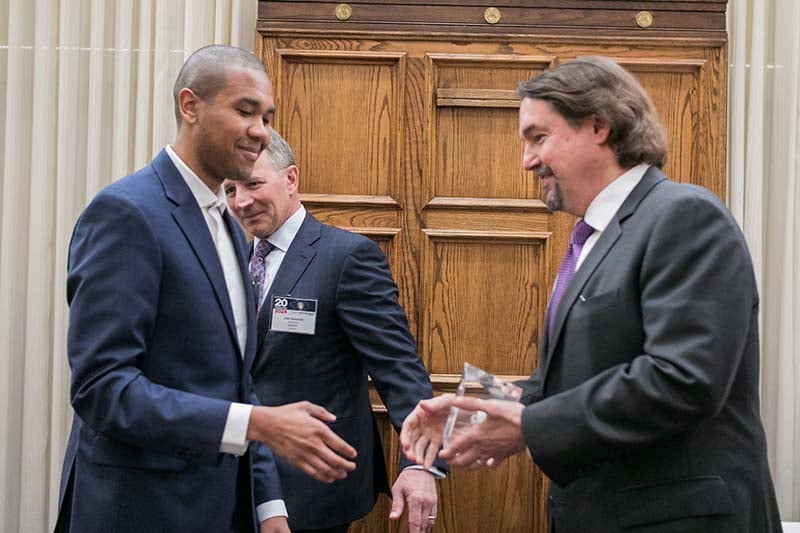
After winning the award, I had the chance to present my augmented reality tool in radio, TV, and news interviews. Science communication is one of my greatest passions, so I was thrilled to have the opportunity. The one that sticks out most in my memory was my interview with Colorado’s local NPR station, where I got the host to try on the headset. He was so excited when I let him hold a holographic solar system in his hand!
Your award recognized your work in astrodynamics. How has that project or research evolved, and how does it influence your work today?
That research is actually the entire reason my startup exists. As I continued presenting my research at conferences, engineers would tell me the ways they wanted to use my tool in their work, along with the specific features that would enable those use cases, and then I would start building those features. Having those conversations quickly became one of my favorite parts of the building process.
Is there a project or achievement since winning that you're particularly proud of?
The project I’m proudest of was turning HoloAstro from an academic demonstration to an actual customizable mission design tool. When I won the award, my tool was just a simple prototype designed for one type of cislunar mission. The next step was building out the interface so that users could design virtually any type of mission in HoloAstro, whether Earth-orbiting, cislunar, or interplanetary. Users can now write their own code to customize the scenario, physics engine, and algorithms to the needs of their specific mission. They can even plug in their favorite in-house software tools as well. It was so exciting when the feature finally worked, and I got to design holographic orbits by hand and watch satellites float through my room!
The 20 Twenties program brings together emerging talent from across the industry. Did you form any meaningful connections—whether with fellow winners, judges, or industry leaders—that have shaped your career path?
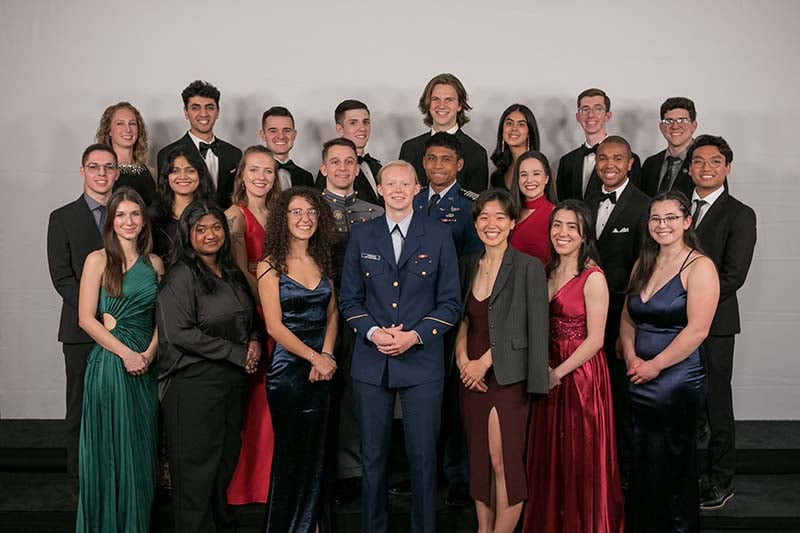
Definitely. I loved getting to meet my fellow 20 Twenties. They’re all doing so many amazing things, but each one was so humble and down-to-earth. I also loved getting to meet so many leaders and legends from across the aerospace industry, and as a writer myself, I really appreciated getting to talk to the Aviation Week team!
But I think the most memorable conversation for me was with Jason Kim, the CEO of Firefly. The last time I had seen him, I was a junior at MIT picking his brain at a fellowship event. I remembered him being so kind and generous with his time, and he gave me so much great advice. So it was especially fulfilling catching up with him at the Laureates and Leaders ceremony, where the Firefly team was receiving an award. I was so proud to tell him that I was being honored that night too!
Many 20 Twenties winners are passionate about paying it forward. Have you had opportunities to mentor others or contribute to your community? What has that meant to you?
Absolutely, I have been very blessed with opportunities to mentor other students in aerospace. I even got to help one of the 2025 winners refine their story in their application. I’m so grateful to the mentors that helped open doors for me, and I’m excited that I get to hold those doors open for more people to walk through.
The aerospace and defense landscape has shifted significantly since you won. How has your early recognition positioned you to navigate these industry changes?
The biggest gift the 20 Twenties gave me was the opportunity to build my communication skills. That has helped immensely with navigating academia, networking with industry leaders, interviewing potential customers, and explaining my startup’s mission. Regardless of how the industry changes, that’s a skill that will remain necessary.
Looking back at your award-winning project, which skills or insights proved most valuable as you transitioned from student to professional? Any surprises about what mattered most?
There were several skills from academic research that carried over to building a startup – things like speaking skills, time management, and the ability to conduct extensive research on a topic. But I was surprised to discover that the most important skill for me was networking. It turns out that many of the people you meet in this industry are more than willing to help you achieve your goals, which is another reason why paying it forward is so important.
What's the biggest misconception people have about building a career in aerospace?
I’m not sure people realize just how broad the range of opportunities is in the aerospace industry! Because it takes a lot of different disciplines to fly an aircraft or execute a space mission – and even more disciplines to keep those organizations running – you can find basically any field in this industry. Whether you love STEM, the humanities, or both, there’s a place for you in aerospace.
If you could sit down with your younger self—right before winning the award—what would surprise you most about where you are today?
I’m not sure I foresaw much of this back then! I definitely didn’t think I would be running a business built on my grad school research.
Aviation Week has been covering your industry throughout your career. How do you stay connected with what we're publishing—and has the way you engage with our content changed since you first won the award?
I’ll admit, before winning the award, I wasn’t very familiar with Aviation Week outside of the 20 Twenties. But I have since really enjoyed reading the magazine and staying informed about the industry. I also appreciate that the team keeps us updated in the 20 Twenties alumni group.
What advice would you give to students or young professionals aspiring to break into aerospace today? What do you wish someone had told you?
I think the most helpful thing for me was reaching out to people in the industry and asking about their career paths. Try to learn as much as you can from the people who have worked in the job you want. Additionally, make sure you regularly take time to celebrate your progress. Aerospace is not an easy field, and you should be proud of yourself for making it this far!
Related Content