Roscosmos Turns To Private Company For Earth Observation Constellation
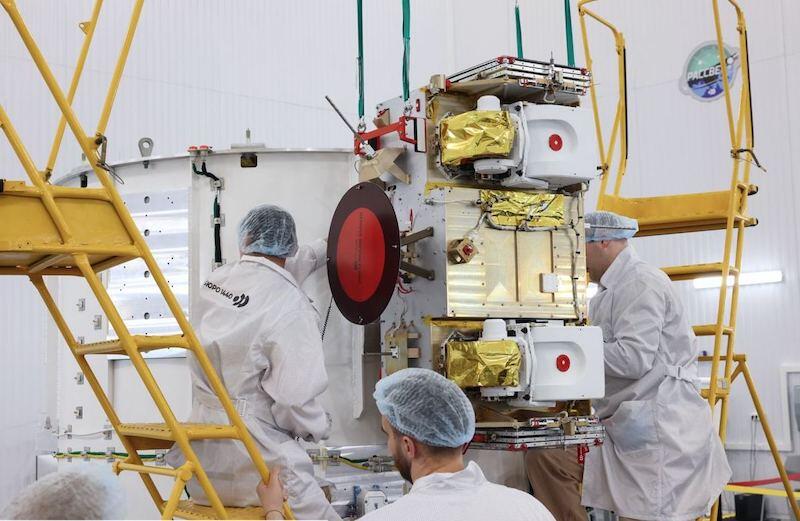
Roscosmos had to abandon its Sfera multitask satellite constellation in favor of the Rassvet wideband satellite internet system developed by private company Bureau 1440.
Credit: Bureau 1440
Russia’s Roscosmos state corporation has partnered with privately owned investment company AFK Sistema to develop a new Earth observation satellite constellation. Under the partnership agreement, signed in Moscow Sept. 18, AFK Sistema subsidiary Sputnix will design the spacecraft and Roscosmos will...
Subscription Required
Roscosmos Turns To Private Company For Earth Observation Constellation is published in Aerospace Daily & Defense Report, an Aviation Week Intelligence Network (AWIN) Market Briefing and is included with your AWIN membership.
Already a member of AWIN or subscribe to Aerospace Daily & Defense Report through your company? Login with your existing email and password.
Not a member? Learn how you can access the market intelligence and data you need to stay abreast of what's happening in the aerospace and defense community.
Related Content