Gallery: How An Air Force Donation Is Helping One AMT School Prep Tomorrow’s MRO Workforce
Lindsay Bjerregaard March 14, 2024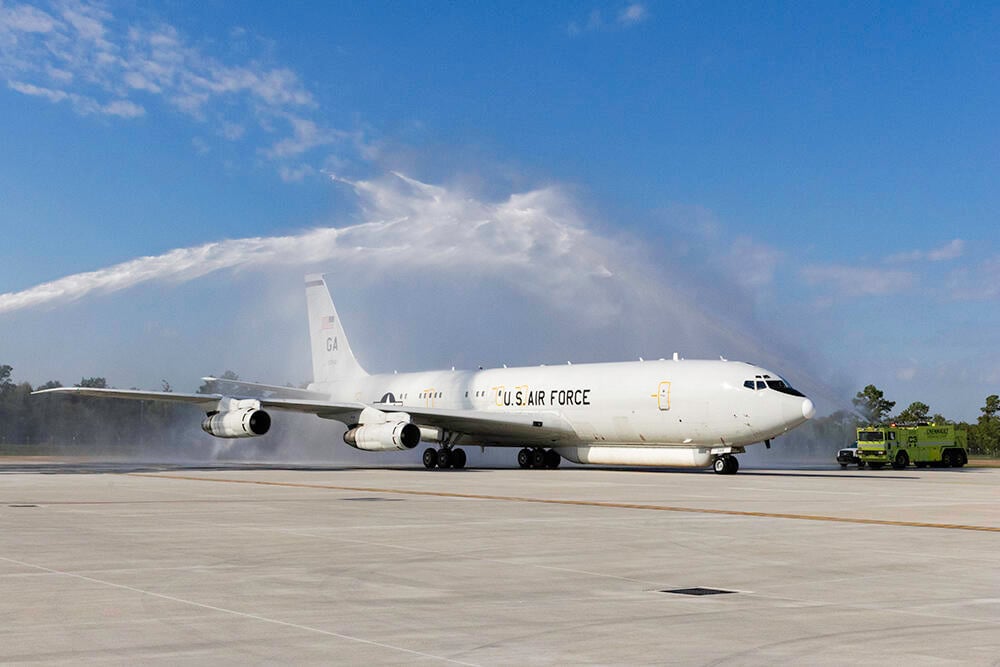
Aircraft Donation
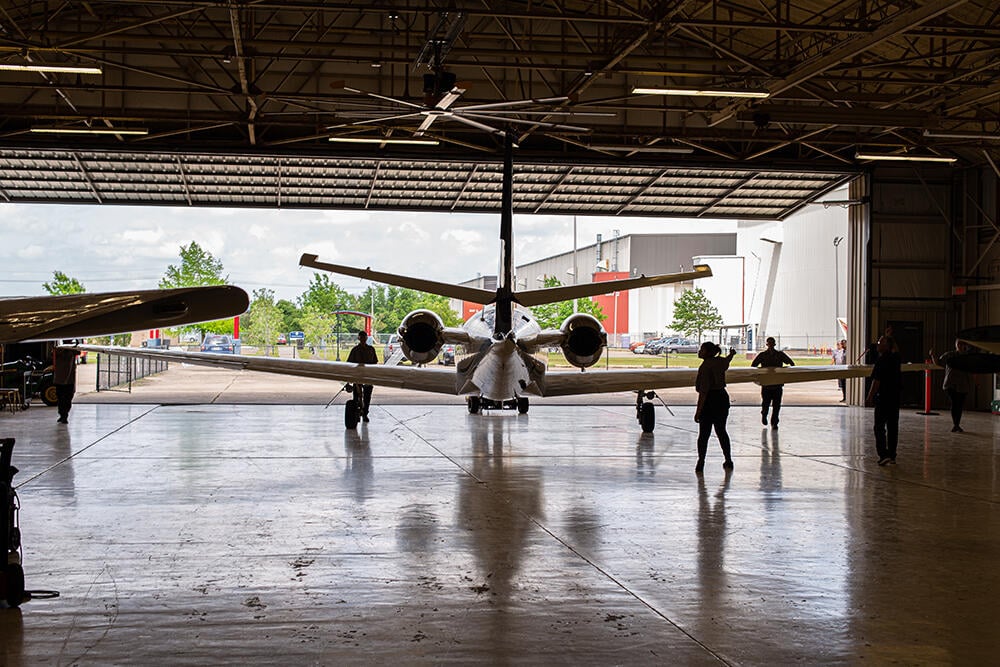
Aviation maintenance students at a technical college in Louisiana will now get hands-on experience with a large, fully operational aircraft thanks to a U.S. Air Force donation valued at $35 million. The Air Force recently donated a Northrop Grumman E-8A joint surveillance and target attack radar system (JSTARS) aircraft to Sowela Technical Community College in Lake Charles, Louisiana. Read on to find out more about the aircraft and how it will impact tomorrow’s MRO workforce.
JSTARS Background
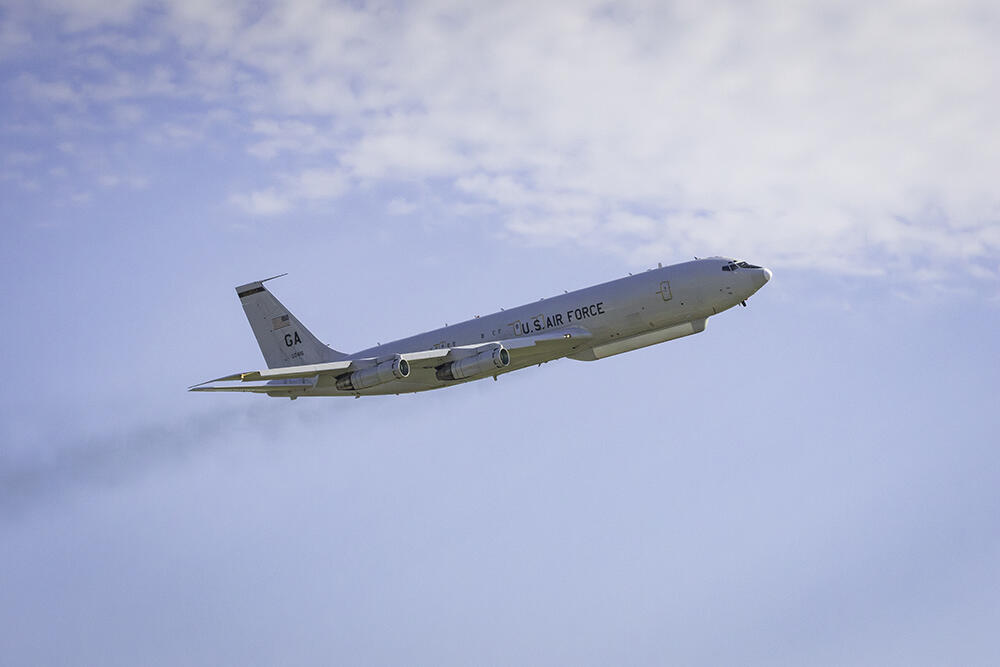
The JSTARS is a modified Boeing 707-300 series aircraft that was developed by U.S. Army and Air Force programs to develop, detect, locate and attack enemy armor at ranges beyond the forward area of the troops. These aircraft were flown during missions in the Middle East between 1991-2021, after which the Air Force decided to retire the E-8 fleet.
Former Life
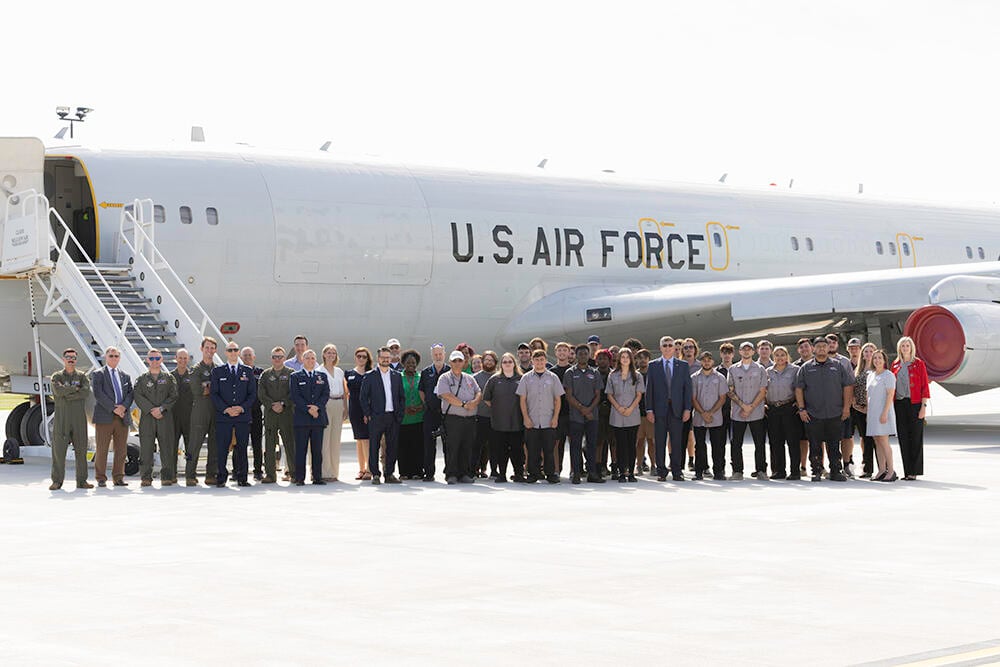
The JSTARS aircraft donated to Sowela flew 49 combat sorties in support of Operation Desert Storm before the Air Force modified it to become a pilot trainer aircraft. “The aircraft is unusual in that it was provided to the school by the government in full operational capacity,” says Robert Null, dean of Sowela’s school of transportation and technology.
Hands-On Opportunities
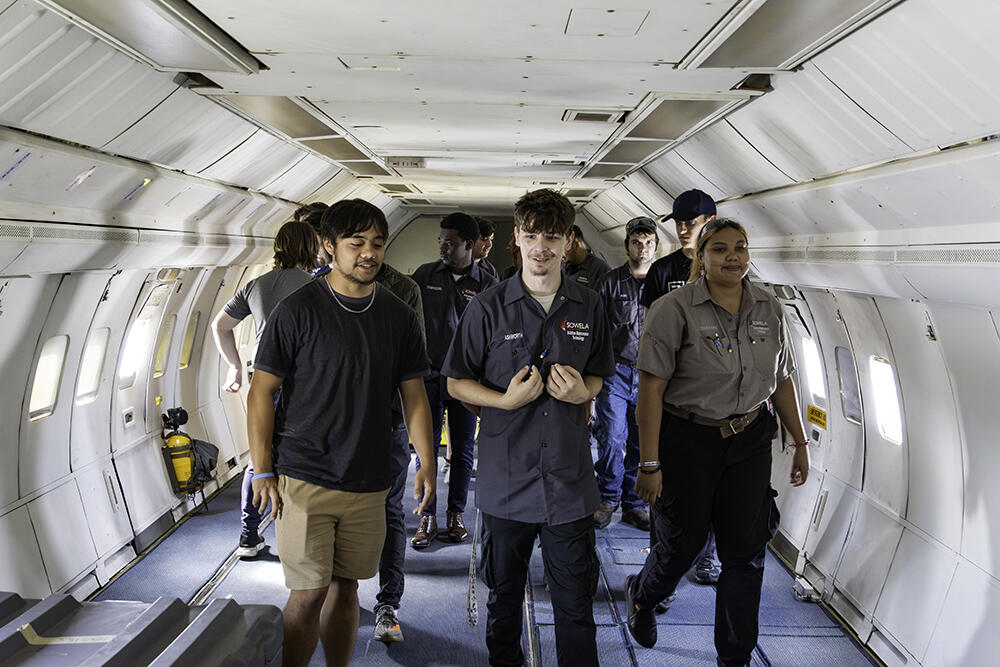
Sowela says it is now the only program in Louisiana to offer aviation maintenance students a military-modified, large-body turbofan aircraft for hands-on instruction. “Most [airframe and powerplant] programs utilize smaller aircraft in their curriculum because it is financially difficult to purchase large aircraft or large aircraft components,” says Null.
Prepping For Industry
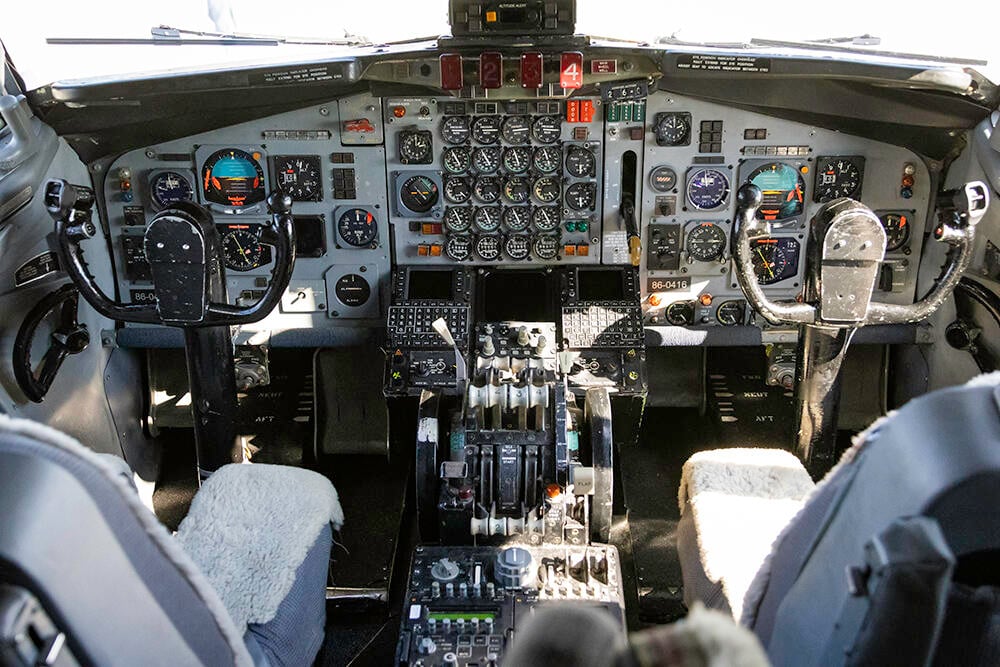
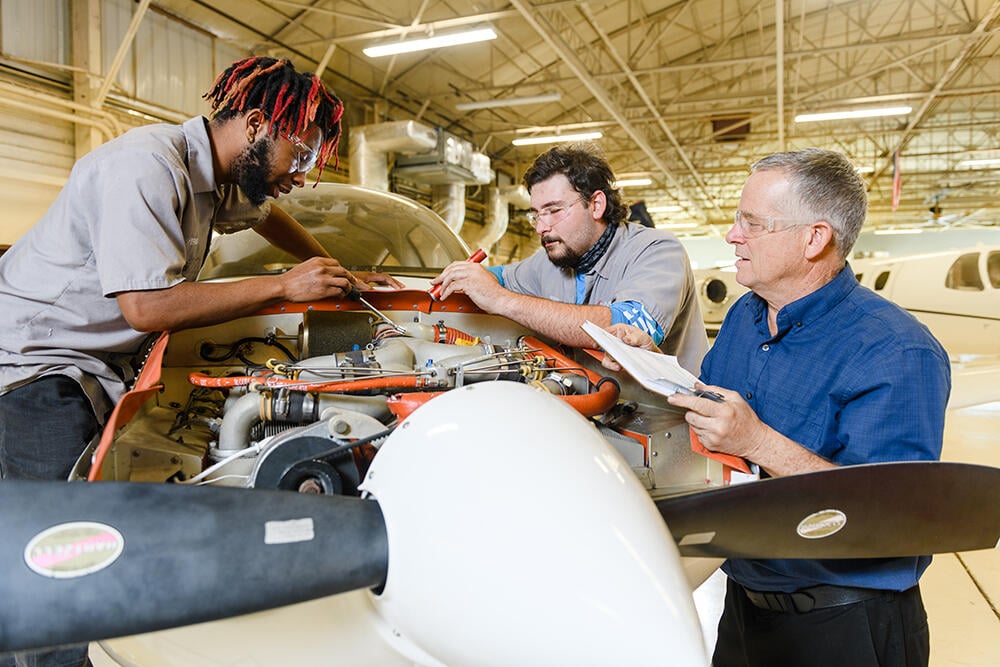
“This jet will provide the students in our aviation program the opportunity to work with avionic systems and technologies they would otherwise not have access to,” says Sowela Chancellor Neil Aspinwall. Null adds that the aircraft donation will enable Sowela’s program to “provide students the necessary exposure to the systems, engines and airframe components unique to the aircraft commonly used in the airline industry. Because of this, our students will have an advantage when seeking employment after training,” he says.
Curriculum Integration
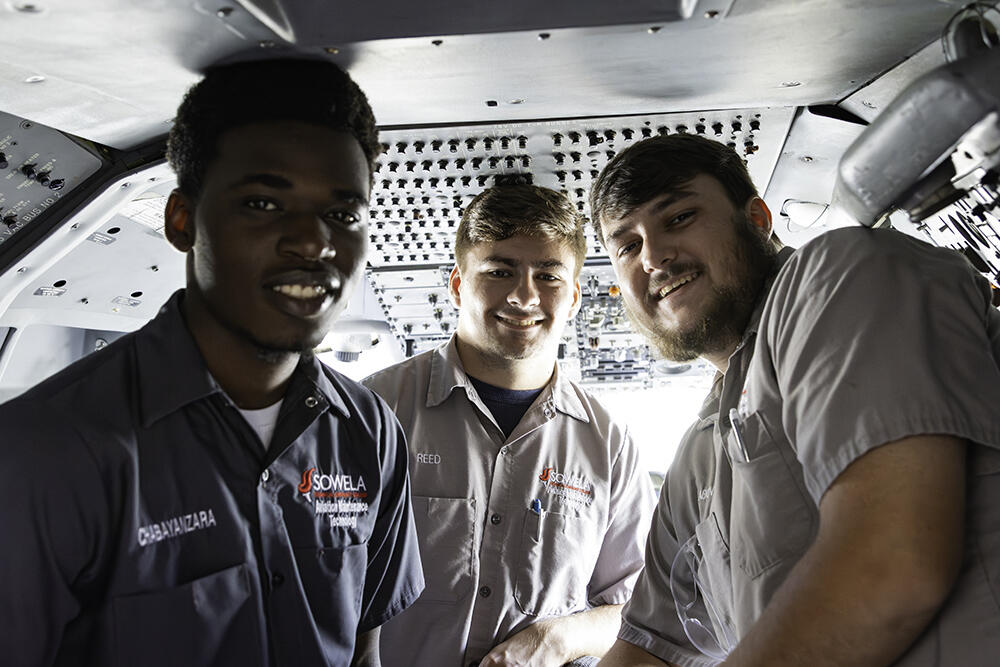
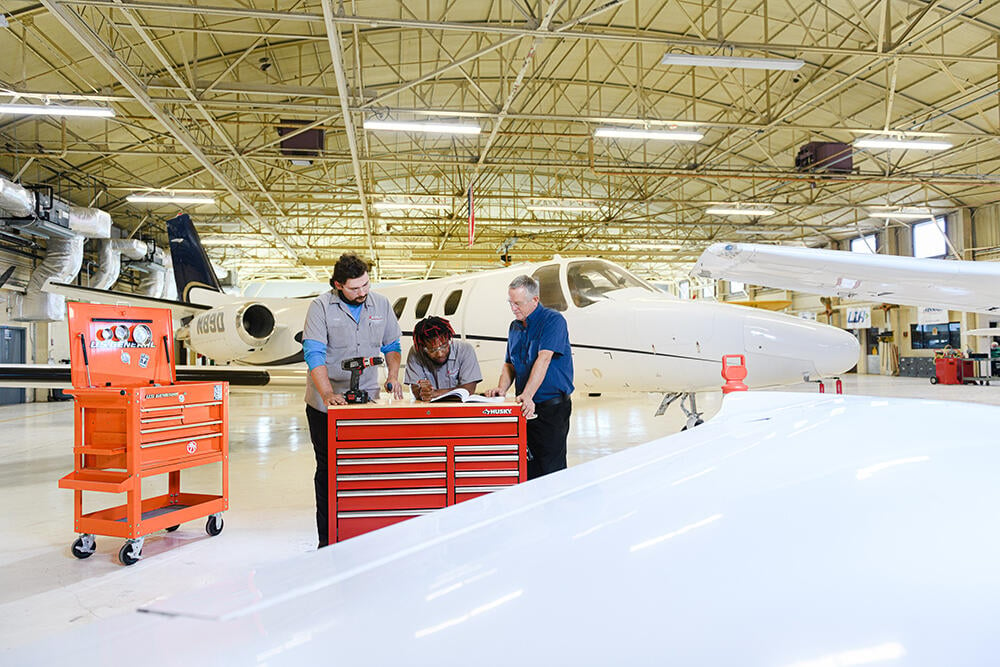
The JSTARS aircraft will be fully integrated into each area of the school’s FAA-certified curriculum, including airframe and powerplants, and Sowela is looking for additional credentialling options to further integrate it into the curriculum, such as engine start certification. The aircraft will be parked directly outside the school’s aircraft hangar.
Sowela’s Fleet
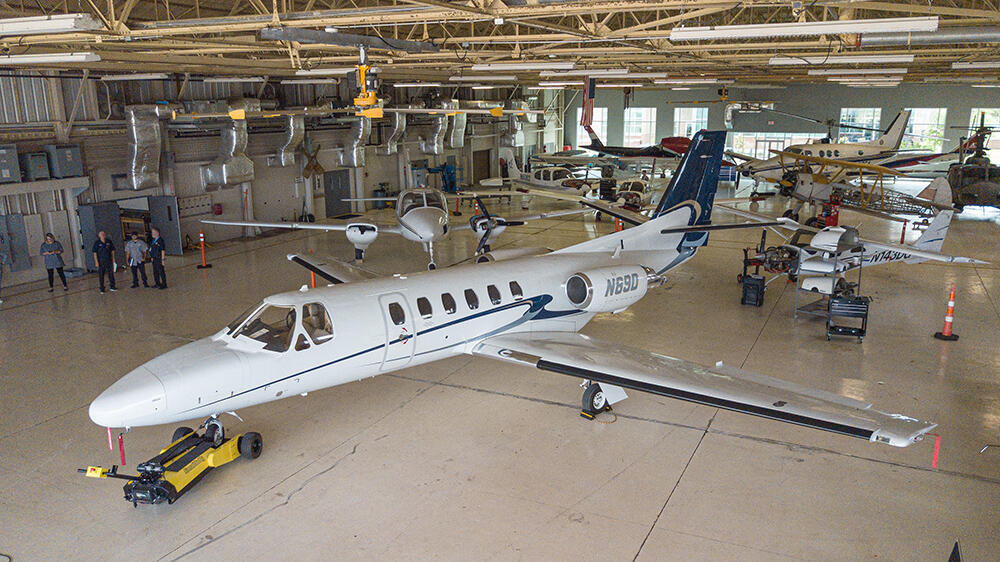
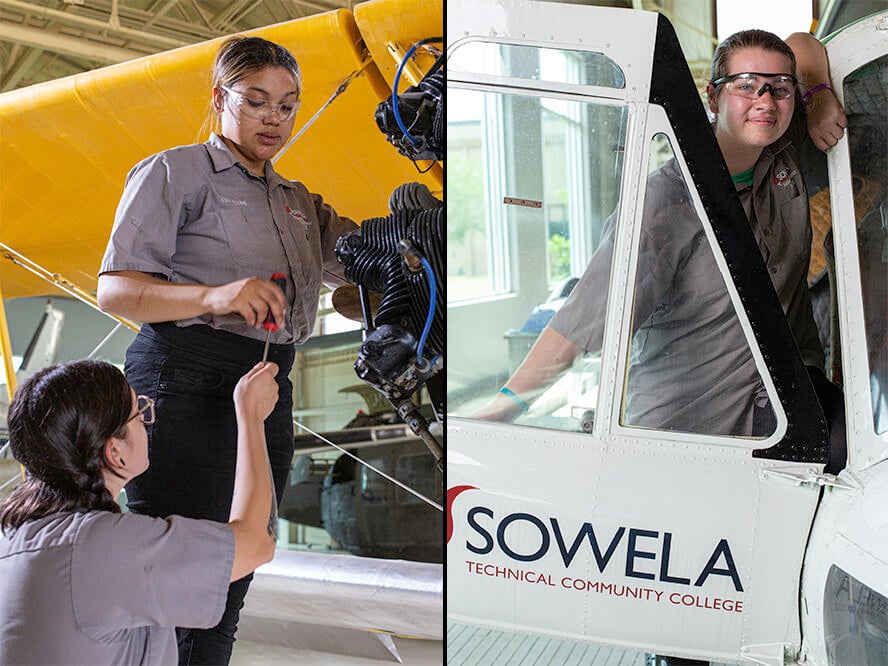
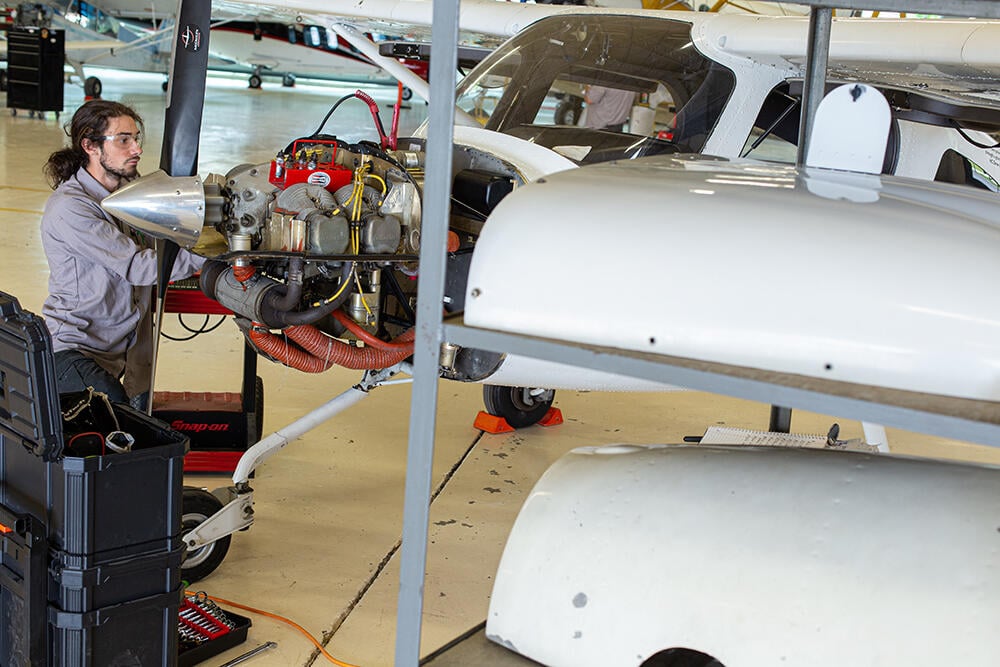
In addition to the JSTARS aircraft, Sowela’s aviation maintenance students also receive hands-on learning with a variety of aircraft, such as a Boeing 727 and 707, helicopters, multi-engine charter jet style aircraft, light twin and light single engine aircraft, and older generation radial engine aircraft.
Training Tools
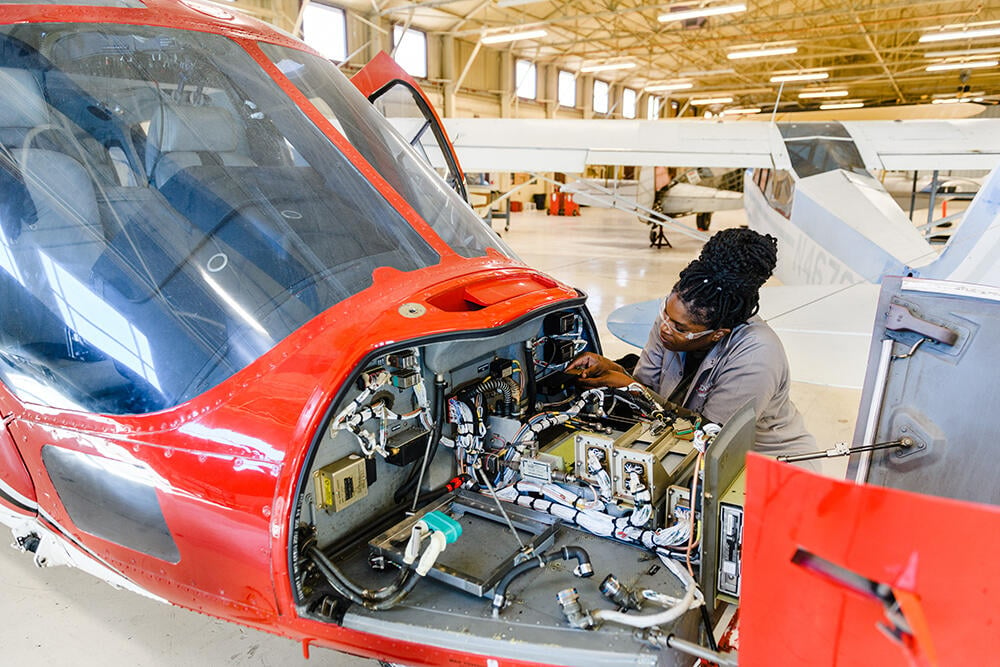
Null says Sowela also utilizes a wide variety of training tools and facilities, including jet and reciprocating engine test stands, a full motion flight simulator, electronics lab troubleshooting equipment, a hydraulics lab, systems training aids, a paint booth, a welding lab, an airframes repair lab and a computer lab for maintenance research.
Job Prospects
Null reports that graduates of its aviation maintenance program are in high demand within the industry. “Demand for aviation maintenance technicians (AMT) is significant, and although many of our students can work at the airport located just next to the campus, they can work anywhere in the world,” he says. Null adds that starting hourly wages for graduates with FAA certification can range from between $25-35 an hour initially and increase to between $45-65 an hour with experience.
Instructor Shortage
Although Sowela has benefited from donations like the JSTARS aircraft from an industry eager to fill the workforce pipeline, Null highlights several challenges that aviation maintenance schools in the U.S. face, such as being able to attract “instructors with the proper balance of experience and teaching skills,”—an issue recently raised by the Aviation Technician Education Council. “State-funded schools follow policy driven salary guidelines that do not consider industry pay and demand of employees of like-skill. It is difficult to attract qualified candidates and ask them to accept half the pay they could make in industry,” adds Null.
Capital Investment
Donations such as the JSTARS aircraft are also critical. “Opening a school requires a significant outlay of capital to purchase [the] building, airplanes, trainers and the associated equipment required to train students to the FAA standards,” says Null. “It is difficult to justify the expenditures knowing that the breakeven point for training students in this specialized area is very far down the road.”
Grant Incentives
Null also stresses that “the barrier to entering the AMT training industry is significant if not impossible. This is why the FAA is offering grant incentives, restructuring the way that AMTs can be trained, and allowing more designated maintenance examiners to receive FAA certifying credentials to reduce the waiting time for candidates seeking their FAA credentials,” he says.
One-Stop-Shop
For its part, Sowela has been approved to become an FAA testing site and now has its own FAA designated maintenance examiner within the school, which Null says enables it to immediately certify maintenance technicians as part of the learning process. “We are a one-stop-shop facility,” he says.
A donated Northrop Grumman E-8A JSTARS aircraft is giving aviation maintenance students hands-on learning opportunities.