This article is published in Aviation Week MRO part of Aviation Week Intelligence Network (AWIN), and is complimentary through Apr 05, 2026. For information on becoming an AWIN Member to access more content like this, click here.
CAAS To Fast-Tack MRO Workforce Training Under New Labor Initiatives
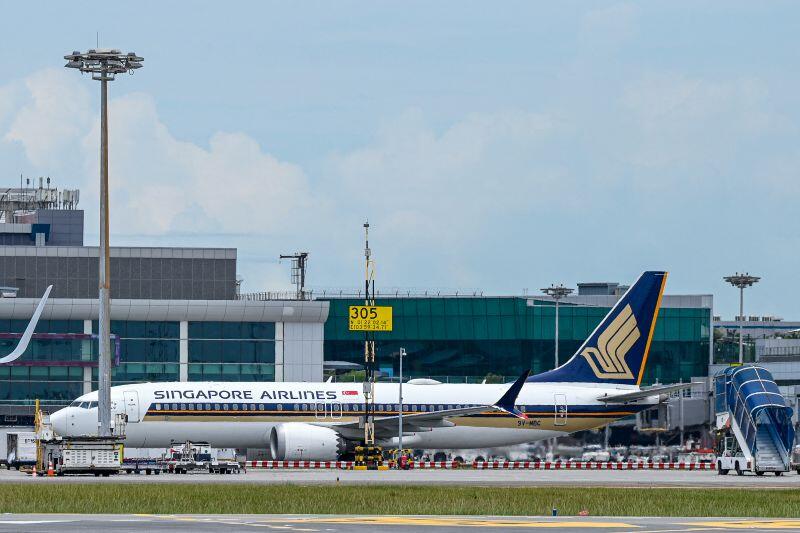
Singapore expects significant growth in the aviation sector over the next five years, and to get ahead of the accompanying workforce demand, its regulatory agency is launching several new labor initiatives that should boost its MRO workforce pipeline.
The Civil Aviation Authority of Singapore (CAAS) and governmental board Workforce Singapore recently reported that they expect growth in the country’s aviation industry to create up to 30% more jobs over the next five years. Their Aviation Jobs Transformation Report says around 10% of Singapore’s current aviation sector workforce—about 6,000 people—are aircraft maintenance professionals. While the report does not specifically say how many new aviation maintenance jobs this will entail, Boeing’s 2025 Pilot and Technician Outlook predicts the need for 78,000 new aviation maintenance technicians (AMT) in Southeast Asia over the next decade.
To finance the new labor initiatives, CAAS will utilize funds from its S$200 million (approximately $156 million) OneAviation Manpower Fund, which was established in July 2025 to support the recruitment, development and retention of skilled workforce.
One of these initiatives aims to get AMTs professionally licensed sooner to reduce the time it takes to go from classroom to hangar.
CAAS says AMTs——or licensed aircraft engineers, as they are referred to in Singapore—are required to undergo additional professional training that takes up to 44 months before they can obtain their licenses from the agency.
To shorten this timeline, CAAS will work with Institutes of Higher Learning and aviation industry partners to integrate professional training and undergraduate education. This will entail creating “more ‘ready for work’ undergraduate curricula, streamlining overlaps between undergraduate and professional training, and adopting new instructional technologies and techniques,” according to a statement released by CAAS. The agency also plans to review training and licensing requirements, and to work with companies and schools to ensure the new curricula still meet the necessary standards for safety and quality.
Beyond shortening the time frame to licensing for AMTs, this initiative will also apply to air traffic control officers, who currently need 18 months of additional training before they receive their professional licenses.
In addition, CAAS will work with aviation employers and the National Trades Union Congress and Aviation Cluster to launch a mentorship program to support career development for new aviation industry job seekers. The agency will also review workplace environments at Changi Airport and Changi Airfreight Center to improve conditions for employees, such as enhancing infrastructure and transport accessibility.
In February, CAAS hosted a community aviation career fair that advertised more than 2,000 job vacancies across various industry companies, such as GE Aerospace, SIA Engineering Company, Singapore Aero Engine Services and ST Engineering.