Nearshoring MRO
Much of the heavy maintenance of the Australian fleet is sent overseas by airlines to places like Singapore and even as far flung as the Middle East. Qantas, Australia’s largest carrier, sends more of this type of work overseas than it would ideally like to, says Viv de Beus, Head of Base Maintenance at Qantas Engineering. “It’s not what I would envision to be the best thing and it’s something we want to work on going forward, but obviously there are constraints to that,” de Beus told MRO Australasia. De Beus identifies these constraints as the number of people in the labor force as well as talent retention, along with the MRO supply chain. “We have the facilities, but they’re not being utilized as much as they should be,” he adds.
Developing Australia's MRO Workforce
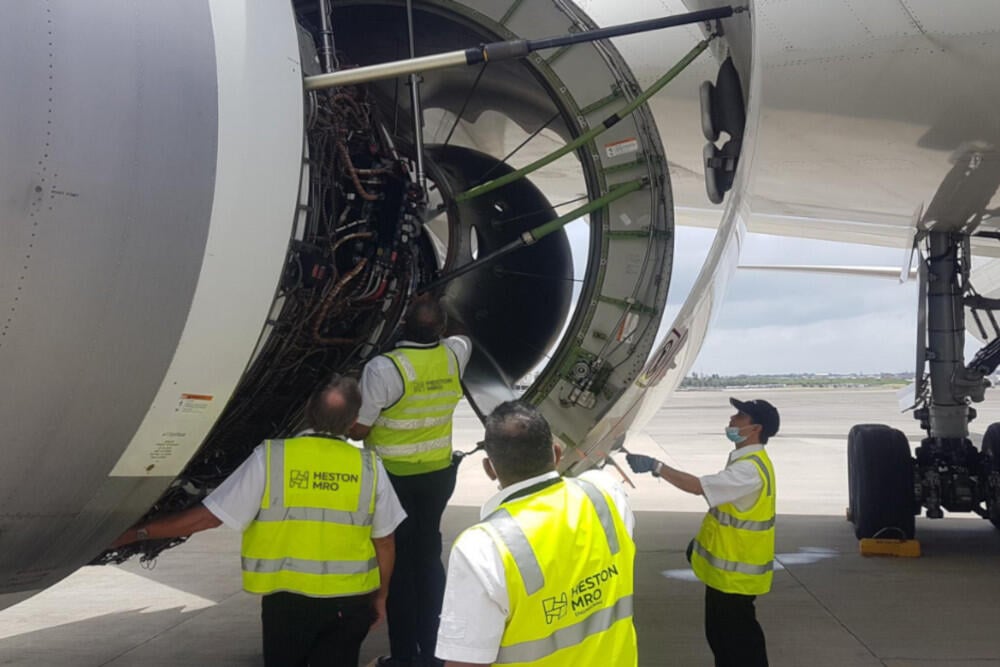
Among the recurring topics at MRO Australasia was the issue of labor shortages and development of the existing workforce. Australia’s geographical remoteness from the rest of the world along with having a relatively small population of around 27 million people makes access to labor difficult from a recruitment point of view. There are also challenges for the existing workforce, with many of the smaller airlines and MRO providers struggling to compete with the bigger fish and Qantas and Virgin Australia. Ipswich, Queensland-based ECO MRO is an independent company set up in 2021 after an opportunity was identified to provide engineering services to cargo operators. “It really reinforced for us the lack of qualified engineers that we've seen post pandemic in the country and then the region,” says Troy Marshall, the company’s managing director. Asta Zirlyte, CEO of Heston MRO, also sees a lack of people which impacts services demanded, particularly by smaller airlines who don’t have the resources to keep their maintenance services in-house. She says the MRO operates a CASA-approved Part 147 and Part 145 training school, but training technicians for short periods at a time is not enough. “This is a lengthy process and a very complex problem where we need to have a look and find some solutions industry players,” adding that different entities in the region could work more closely to bridge the gap between capability and people shortfalls.
Tackling Australia’s Innovation Gap
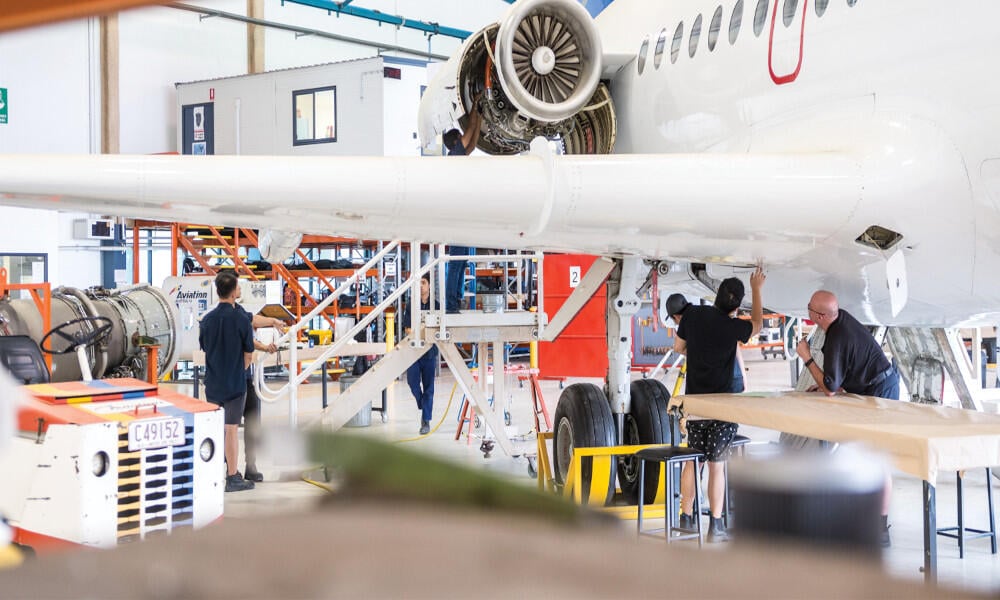
A perceived innovation and technology gap in Australia has hindered the progress of its aviation industry with ramifications for the aftermarket. Lloyd Armstrong, project manager at Queensland-based aircraft painting specialist Flying Colours Aviation, says Australia is only just reaching 2019 recovery levels and still lags behind other global regions in this sense. “There’s a clear gap where technology can help us catch up,” he says. “While we lag behind, there's a good opportunity for us to look at the rest of the world, see what works and what doesn't work, and pick and choose what technology we can bring in to help us accelerate that.” Reece Clothier, president of the Australian Association for Uncrewed Systems, a national body for emerging aviation industries such as drones and advanced air mobility that has around 4,000 industry members, says that the challenge of bringing innovation into a company or a sector is not unique, but there are "so many challenges to working in the aviation sector and in the MRO space in particular."
Solutions To Australia’s Innovation Problem
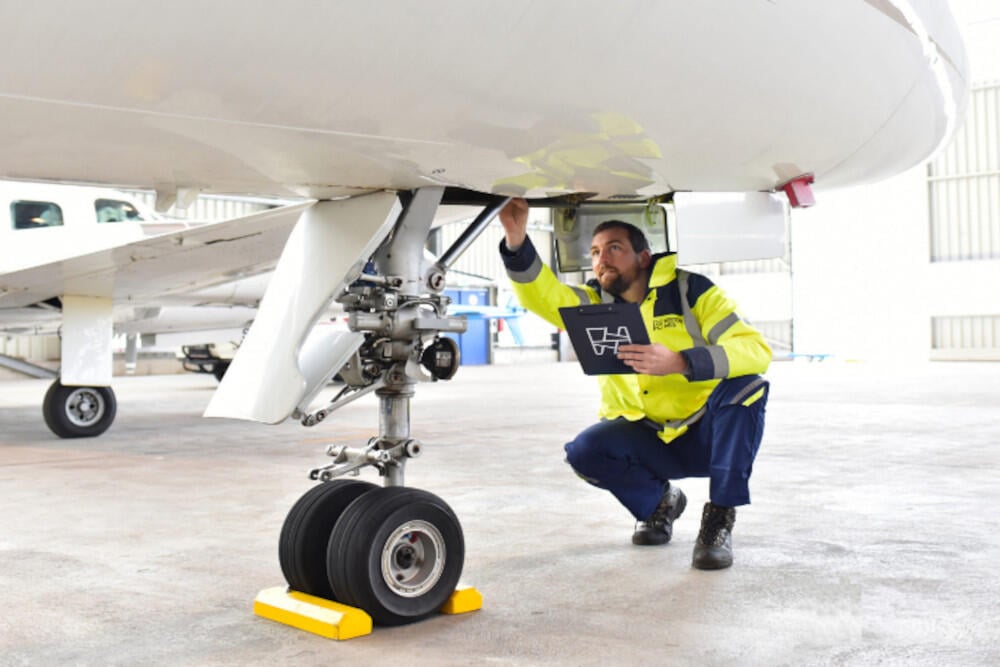
To remedy this, Clothier believes organizations must take a considered approach to how they adopt innovation and “how it's going to flow down, to answer the here and now and find the right bandwidth.” He adds: “This is a regulated industry, so we can only work within the confines of the regulations that we have today, but there are avenues within there to do something new and you can gauge the authority to explore that. But you have to make the time." Ryan McMahon, national remotely piloted aircraft systems training manager at Aviation Australia sees Australia's innovation mindset gradually shifting, due in part to the country's Civil Aviation Safety Authority (CASA). “We have an option to try and build these things independently and compete, or we can actually align some core objectives and create some standards,” he adds.
The Role of CASA In Accelerating Technology Adoption
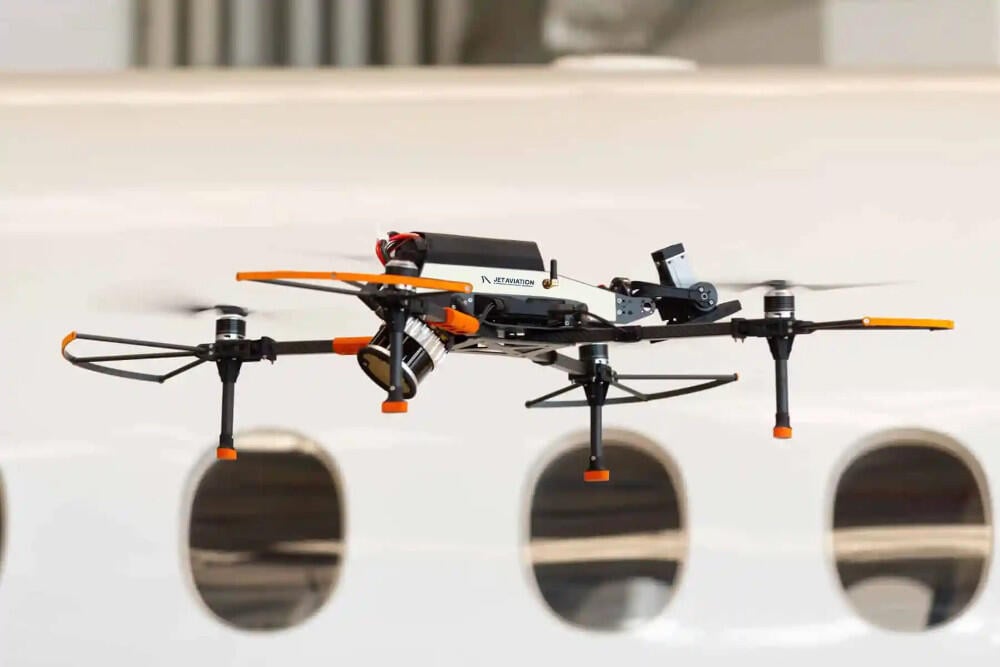
During a fireside chat with CASA representatives Steve Campbell and Andreas Marcelja, the spotlight was put on the role the regulator is playing in overseeing new technology concepts being brought to the market. Acknowledging the innovation gap in Australia, Campbell says knowledge sharing with other regulators will be increasingly important during the years ahead. He highlights CASA working with the FAA to create parallel certification processes as an example of this collaboration, while also disclosing further knowledge sharing with the likes of Transport Canada and the UK Civil Aviation Authority. Like other regulators, CASA acknowledges that regulators keeping up with the speed of technology adoption is also critical.
Supply Chain Pains and Parts Provisions
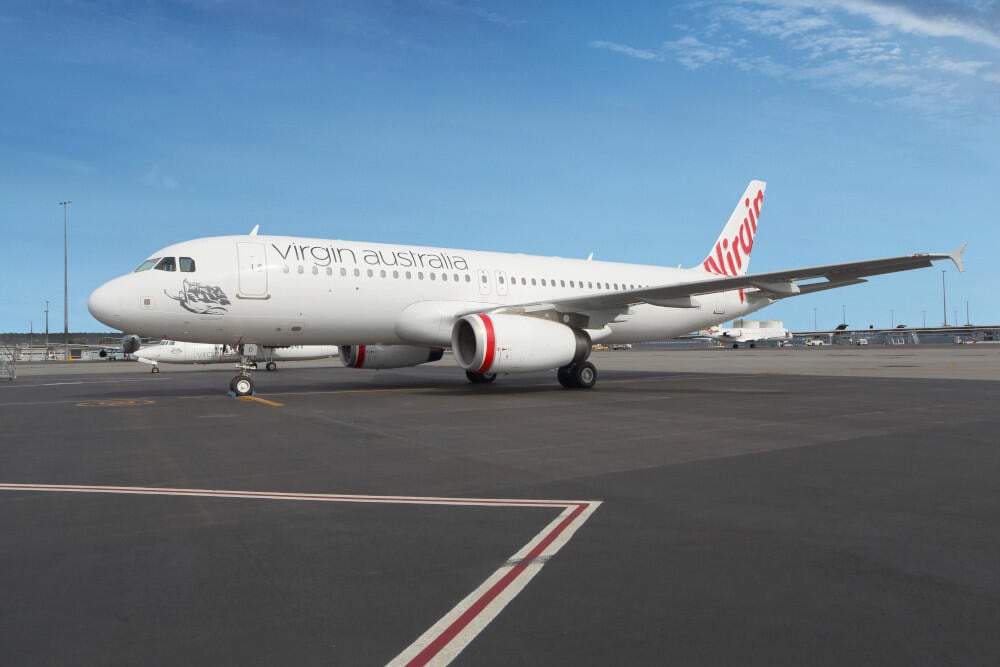
The remote geographical location of Australia also impacts the supply chain in normal times, but perhaps more so given the global landscape of supply chain constraints post-COVID 19. A common view that major suppliers tend to prioritize other major markets in Australia such as military over MRO while logistically, Australia’s remote location makes parts supply an ongoing challenge. On the topic of parts supply, the panelists all agreed that it was a challenging environment, with replies ranging from “patchy” to “still bad,” albeit generally dependent on the part type. Afrooz Ahmadi, Components and Purchasing Leader at Virgin Australia, says it has changed its procurement strategy to some degree in recent years, including being more open to PMA parts as a means of lessening reliance on OEMs. “To some extent the use material is another alternative way of sourcing the parts, and we continue to evaluate parts and components to repair them versus sourcing new,” she says. Increased collaboration between all the players in Australia’s industry, with a focus towards signing long-term contracts to ensure slot availability, were cited as ways to remedy some supply chain issues. Operators veering towards end-of-life concepts and the use of mobile engine service teams to avoid shop visits was also put forward as a way to partially remedy these challenges.
Australia's Airline Startup Landscape – Room For New Players?
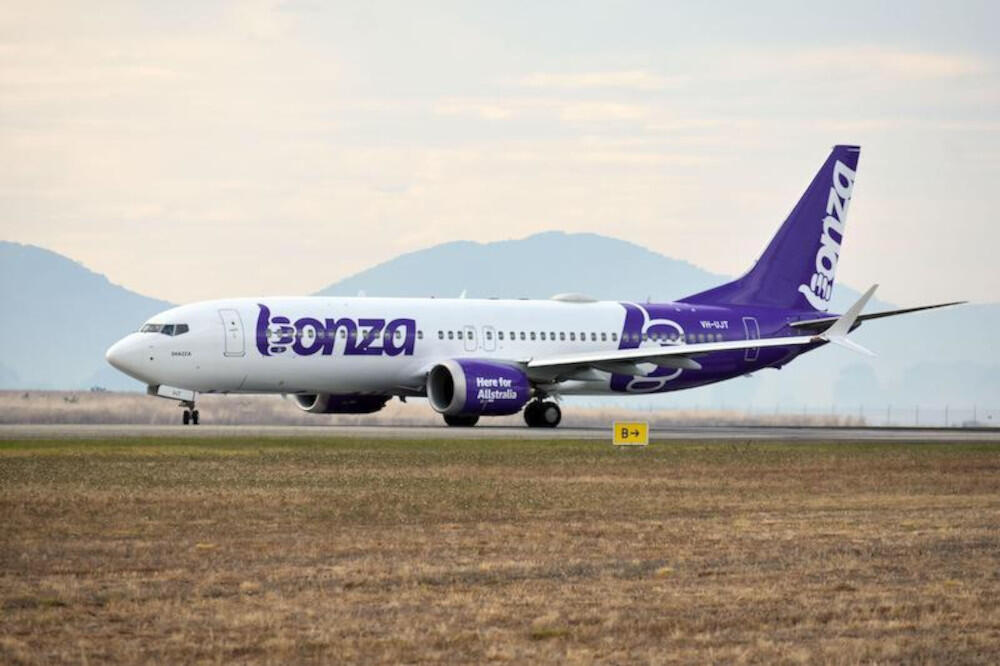
The duopoly of Qantas and Virgin Australia in Australia is highlighted by the fact that they operate 98% of domestic passenger traffic routes. Such dominance hasn’t deterred new entrants from trying to break into the Australian airline market, albeit unsuccessfully. These include low-cost carrier Bonza, launched with big fanfare back in 2021 before going bust 18 months later, and, more recently, Rex Airlines, which this year entered administration due to financial losses. Despite this, a panel at MRO Australasia expects more startup carriers to emerge in future, although warned deep knowledge of such a unique market is essential and flagged the lack of mid-life aircraft assets available to new operators. Venturing into Australia with a high fleet density and a strong MRO network were also cited as necessities for a new entrant to make a success of their airline venture.
Nearshoring MRO, technology shortfalls and developing future labor pipelines were among the key talking points at Aviation Week's MRO Australasia in Brisbane.