Gallery: Countries To Watch For MRO Growth
Lindsay Bjerregaard Lee Ann Shay James Pozzi December 09, 2025
Mapping MRO Investments
Aviation Week Network’s 2026 Commercial Fleet & MRO Forecast predicts global MRO demand will grow to $1.6 trillion over the next decade. While some regions have received consistent aftermarket investment and growth over the past decade, others are now experiencing an MRO boom as the industry seeks to expand capacity. New facilities, partnerships and capabilities are poised to drive aftermarket growth in the following countries.
India
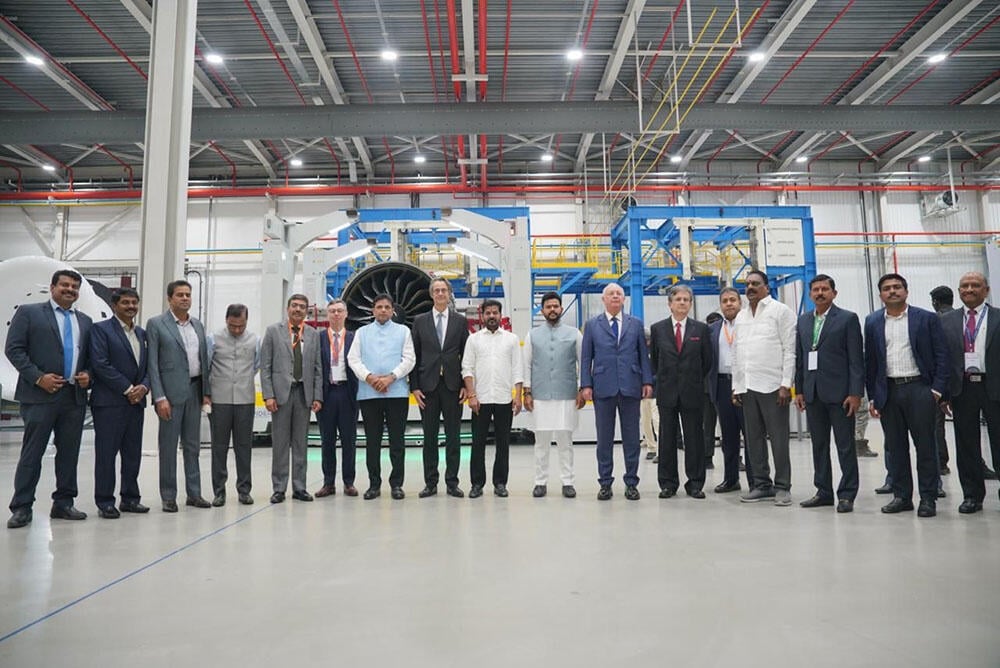
There have been several recent MRO developments in India. Engine MRO got a major boost when Safran inaugurated a CFM Leap-1A and 1-B engine MRO facility in Hyderabad on Nov. 26. The facility addresses India’s chronically underserved engine MRO market as well as the rapidly expanding global Leap fleets.
Several leading Indian MROs have forged new training partnerships or capabilities, including GMR Aero Technic and Air Works. SIA Engineering Co. (SIAEC) is exploring a collaboration with the Tata Group, leveraging the expansion of its aviation footprint through Air India. In May 2024, Air India selected SIAEC as its partner in developing a base maintenance facility in Bengaluru. The facility is planned to begin operating in 2026 and to include widebody and narrowbody hangars as well as associated repair shops.
In addition, Tata Projects formed a strategic partnership with ASI Global to develop aircraft maintenance infrastructure across India. The collaboration will focus on providing turnkey solutions for the design and construction of MRO and aircraft hangar facilities, marking a major push to support the country’s rapidly expanding aviation ecosystem.
Malaysia
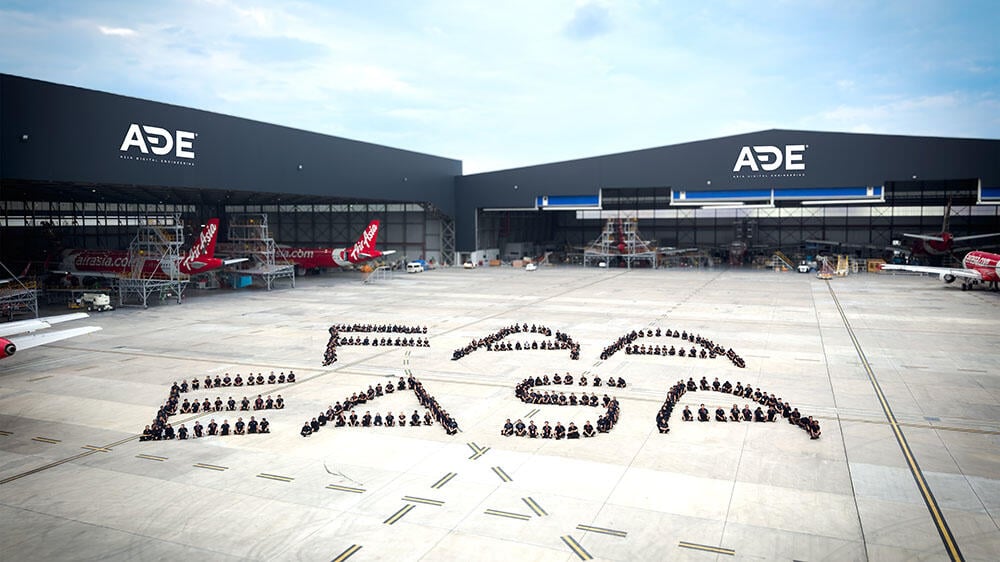
Watch three MROs in Malaysia—MAB Engineering Services, the MRO arm of the Malaysia Aviation Group that includes Malaysia Airlines; Asia Digital Engineering (ADE), the MRO division of Capital A Berhad, which includes AirAsia; and new provider Base Maintenance Malaysia, an SIAEC subsidiary.
MAB Engineering Services, based at Kuala Lumpur International Airport, is a heritage business that is reinventing itself through adding new capabilities and smart hangar technologies. It is ramping up to provide on-site engine support for CFM56-5B and -7B engines by July 2026, followed by IAE V2500s by 2027 and CFM Leap engines by 2028. MTU Maintenance Zhuhai is providing project management support and training.
ADE opened a 14-line hangar at Kuala Lumpur International Airport in 2024 that specializes in Airbus maintenance and is already exploring expansions. It signed a long-term A330-200 heavy maintenance contract with Air France in September.
Base Maintenance Malaysia received Part 145 maintenance organization approval from the Malaysia and Singapore regulators the past couple of months. Its facility at Sultan Abdul Aziz Shah Airport (Subang Airport) in Selangor includes two hangars capable of accommodating six aircraft checks at a time.

South Korea
Incheon International Airport is developing its High Tech Aviation Complex on 2.34 million m2. The complex is designated as a free trade zone.
Korean Air, which merged with Asiana and is in the process of repainting their fleets, is expanding at the new part of the airport to accommodate its growing fleet. It is investing about $119 million in a new heavy maintenance and modifications hangar that should be in operation by 2030.
It also is building an engine MRO facility on Yeongjong Island that it plans to open in 2027.
Saudi Arabia
Saudi Arabia’s MRO sector is set to undergo considerable change over the next decade as the country pursues ambitious plans to transform its aviation industry, including fleet expansions and the development of domestic airports, airlines and supporting infrastructure. More domestic aftermarket capability and the growing presence of overseas players in the country are expected.
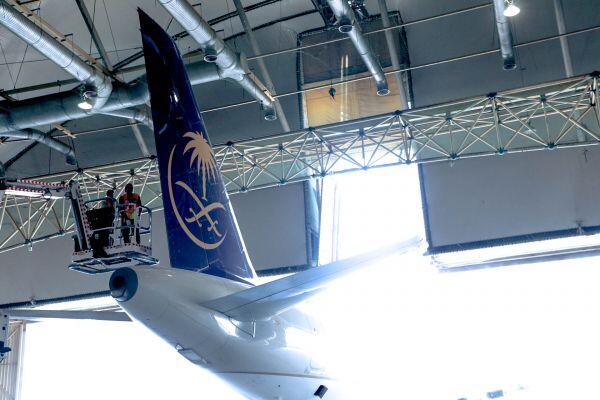
State-owned MRO Saudia Technic is expected to drive much of this activity from the city of Jeddah. Part of its long-term growth strategy involves expanding its maintenance site at King Abdulaziz International Airport with the development of an MRO Village. This would include heavy maintenance, line maintenance, multiple hangars, paint services and washing, several component shops, an on-site training academy, a jet propulsion center and—according to Saudia Technic—the largest engine test cell in the Middle East. Long-term, the site is to feature up to 11 hangars with volume for four widebodies simultaneously.
At the end of 2024, Saudia Technic also signed an agreement with AFI KLM E&M to explore setting up an engine MRO joint venture for the GE Aerospace GEnx engine, one of two options for Boeing 787 aircraft. Since Saudia Technic holds limited capabilities to date, expansion will be integral to positioning the company as a strong player in Middle East MRO.
As Saudi Arabia opens up its aviation industry, nondomestic companies are also starting to make moves to grow their presence there. Mature aircraft trader and lessor Vallair is exploring the potential of setting up a fully operational business in Saudi Arabia, incorporating narrowbody MRO, aircraft disassembly, component repair shops, aircraft painting and full training functions. More recently, Italian MRO provider Atitech announced a memorandum of understanding to establish a new joint venture in the country.
Morocco
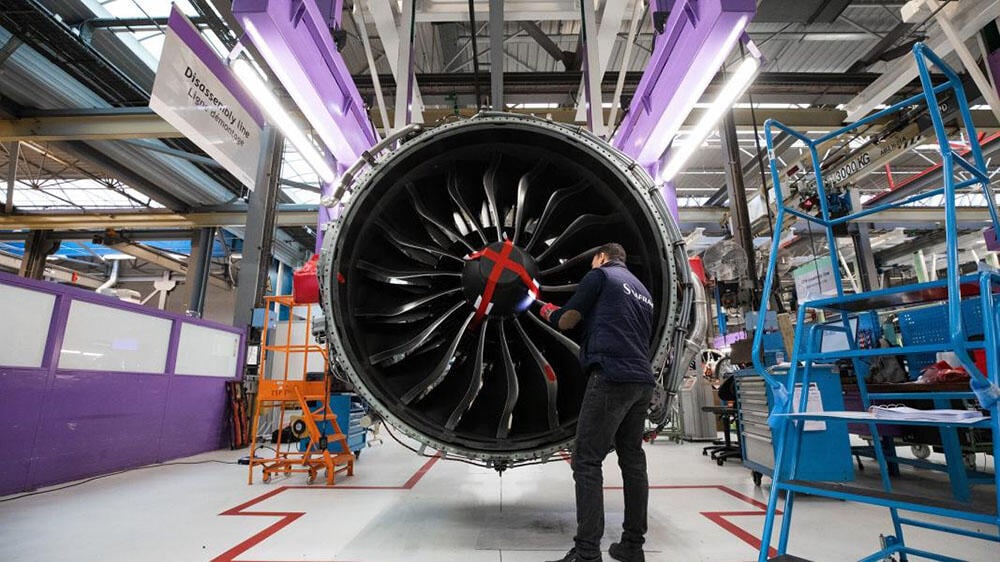
Morocco is considered one of Africa’s five main MRO locations alongside Egypt, Kenya, Ethiopia and South Africa. It has been home to Safran engine activities for several decades, and the French OEM—a partner with GE Aerospace in the CFM International network—has undertaken CFM56 work in the country. It is looking to ramp up for newer Leap engines, and it started work on a new designated engine facility in Casablanca in late 2025. Once operational from a targeted 2027 start, the shop aims to handle up to 150 engines each year. The MRO shop coincides with plans to establish a new Leap-1A engine assembly line in the country. Morocco also has been suggested as a possible destination for a Ryanair engine shop as the Irish low-cost airline looks to set up two in-house engine MRO facilities.

Portugal
Lufthansa Technik recently chose Portugal as the location for a new aircraft and engine component repair center. Located near Porto, Lufthansa Technik Portugal is expected to begin operating in 2027. The German MRO giant plans to start construction in 2026 on the project, which the company describes as a “multimillion-euro investment."
In the engine space, TAP Maintenance & Engineering, the MRO arm of the Portuguese national flag carrier, is ramping up its Lisbon shop to bring full Leap-1A capabilities online following upgrades to its existing test cell. Long-term, it also has designs on bringing Leap-1B services online. Portugal is also set to see more Pratt & Whitney geared turbofan (GTF) MRO activity. OGMA, a subsidiary of Embraer, is ramping up shop visit numbers following last year’s opening of a new engine maintenance facility dedicated to Pratt & Whitney GTF engines.
Cyprus
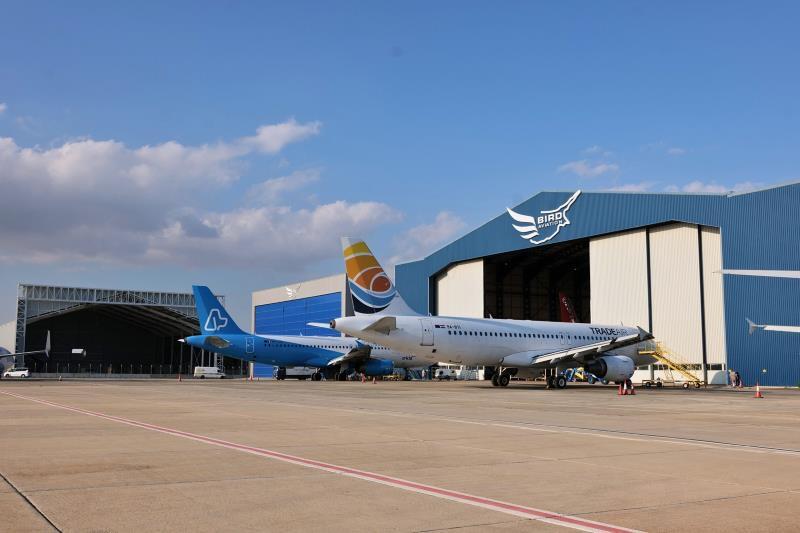
Viewed as a good strategic location between Europe and the Middle East, Cyprus is seeing an expansion of its MRO output due to increased demand and traffic volumes. Larnaca-based aircraft maintenance provider Bird Aviation plans to open a third MRO facility in 2026 as a response to the growing in-region aftermarket demand. The island is also set to play a pivotal role in the future of the CFM International Leap aftermarket.
Another Larnaca-based company, United Aerospace Maintenance Company (UAMCO), was established in 2023 as an independent Leap-1A and -1B engine specialist, initially doing quick-turn and hospital shop visits but with long-term plans to undertake full overhauls. In 2026, UAMCO will target a C7 approval for high-pressure turbine, low-pressure turbine and core parts for the Leap engine while also establishing in-house Part 147 training approval certified by the FAA and European Union Aviation Safety Agency. In the fourth quarter of 2026, it plans to complete construction of a Leap test cell facility close to its shop, which will increase capacity to up to 200 engines annually.

Canada
In February, Canada’s MRO sector received a substantial boost through a deal between WestJet and Lufthansa Technik (LHT). The $3 billion, 15-year contract not only extends the companies’ partnership on CFM International Leap-1B maintenance, but also includes construction of a 150,000-ft.2 LHT engine shop and test cell at Calgary International Airport. The facility is set to open in 2027 and will provide services including quick-turn shop visits and on-wing services.
Other Canadian airlines are also boosting the country’s MRO sector. In April, Porter Airlines added maintenance capacity in Halifax by leasing a new hangar for its Embraer E195-E2 and De Havilland Dash 8-400 fleets, and last year, the carrier opened a new maintenance base in Ottawa. Air Canada recently launched a comprehensive cabin upgrade program across its narrowbody and regional jet fleets, and a large portion of the work is being performed by third-party MRO providers across the country. One of Canada’s largest third-party MROs, KF Aerospace, reported this summer that it is expanding support for airlines such as Air Canada, Air Inuit, Air North, Flair Airlines and WestJet, and growing staff and capabilities in line with demand.
Brazil
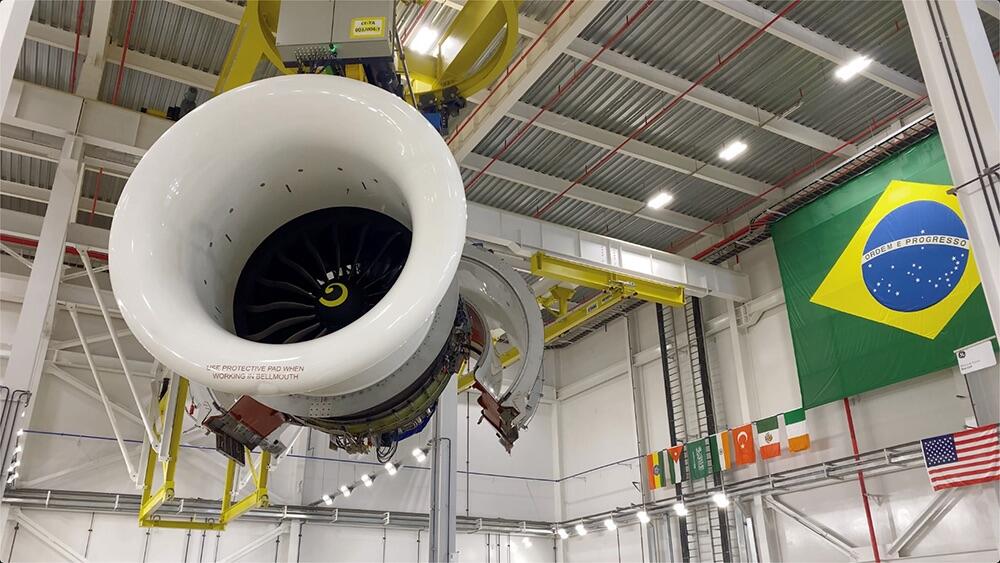
GE Aerospace recently announced it would double the capacity at its MRO facility in Celma, Brazil, increasing maintenance capacity to 1,000 engines annually from 600. Julio Talon, the engine manufacturer’s MRO leader for Brazil, says the expansion will make the shop “the largest CFM Leap engine overhaul facility in the world, attracting customers from other continents and strengthening Brazil’s reputation as a key player in the aerospace industry.”
LATAM Airlines opened a new hangar in Sao Carlos in September that enables it to bring Boeing 787 maintenance in-house, and in late 2024 it also opened a vocational school in Sao Carlos to train aircraft maintenance technicians. Industry sources have indicated to Aviation Week Network that the airline could be considering opportunities for third-party maintenance. While Brazilian carriers Azul and GOL have some third-party MRO capabilities, both are navigating bankruptcy challenges.

El Salvador
At MRO Latin America earlier this year, Aeroman CEO Alejandro Echeverria said parent company MRO Holdings’ businesses have had full hangars for the past few years, creating pressure for the company to develop more capacity, so Aeroman would continue to expand its airframe capabilities and other expertise. Investment firm Bain Capital took a minority holding in MRO Holdings in 2024, which could boost the company’s growth in El Salvador at subsidiaries Aeroman and MRO Solutions.
GA Telesis also opened a new Latin America and Caribbean headquarters in El Salvador at the beginning of 2025 to target new business opportunities and industry collaborations in the region.

Chile and the Dominican Republic
Both Chile and the Dominican Republic have received recent MRO investment. FL Technics is in the final stages of completing its new facility in Punta Cana, which will initially focus on maintenance for Airbus A320 family, Boeing 737NG and 737 MAX aircraft. FL Technics CEO Zilvinas Lapinskas tells Aviation Week Network the company could grow the site to as many as 20 maintenance bays once it gets up to speed.
Meanwhile, Chile’s first independent MRO opened in Santiago last year. A Professional Aviation Services Corp. (APAS) opened its APAS Chile subsidiary in Santiago at Arturo Merino Benitez International Airport. The company is offering a range of services, including heavy maintenance inspections, line maintenance, modifications, refurbishments and upgrades under FAA and European Union Aviation Safety Agency Part 145 certification.
These countries are attracting new MRO investments and interest as the sector seeks to expand its global capacity.