This article is published in Aerospace Daily & Defense Report part of Aviation Week Intelligence Network (AWIN), and is complimentary through Sep 11, 2026. For information on becoming an AWIN Member to access more content like this, click here.

Boeing Reveals Cheap Radar Seeker For Defensive, Offensive Missiles
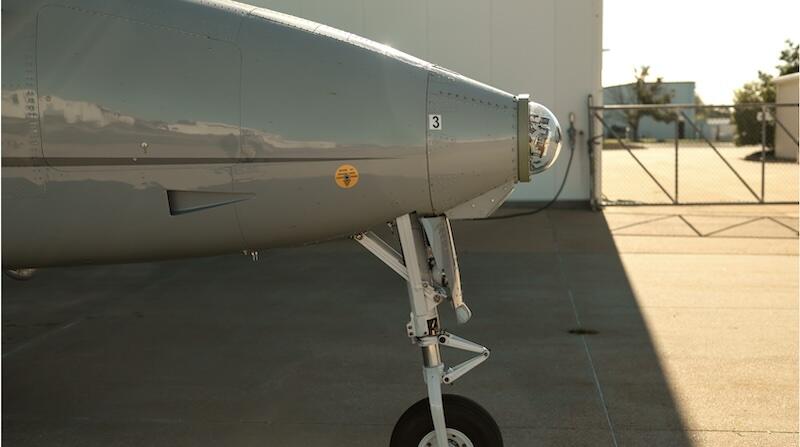
nose of an aircraft
Credit: Boeing
HUNTSVILLE, Alabama—Boeing unveiled an active radar Ultra Low-Cost Seeker (ULCS) for surface-to-air missiles and offensive weapons on Aug. 11, the opening day of the Space and Missile Defense Symposium here.
 
Boeing, which supplies the active radar seeker for the Lockheed Martin PAC-3 Missile Segment Enhancement, says the new ULCS reflects a novel approach to seeker design and manufacturing aimed at reducing per-unit cost.
 
“We are developing ULCS with the goal of sharing a common sensor architecture across several of our programs,” says Bob Ciesla, Boeing’s vice president for precision engagement systems.
 
The ULCS bypasses aerospace-grade components and integrates commercial off-the-shelf hardware, which must be adapted to survive in the harsh conditions of rocket and airborne flight.
 
The unveiling follows a series of flight tests this summer of the ULCS onboard a Beechcraft 1900D testbed and from a surrogate rocket. The seeker proved it could survive the extreme vibrations and temperatures in such conditions, Boeing said in a news release.
 
“We still have more work to do, but the rapid testing our teams have completed proves that this capability is real and will fundamentally change how we look at seeker affordability across our programs,” says Steve Wright, Boeing’s senior manager for weapon sensors and advanced guidance.
 
Further flight tests in 2027 will focus on configurations that more closely reflect operational systems, Boeing adds.
Steve Trimble

Steve covers military aviation, missiles and space for the Aviation Week Network, based in Washington, DC.