This article is published in Aerospace Daily & Defense Report part of Aviation Week Intelligence Network (AWIN), and is complimentary through Aug 29, 2026. For information on becoming an AWIN Member to access more content like this, click here.

U.S. Navy Testing New Long-Range Air-to-Air Missile

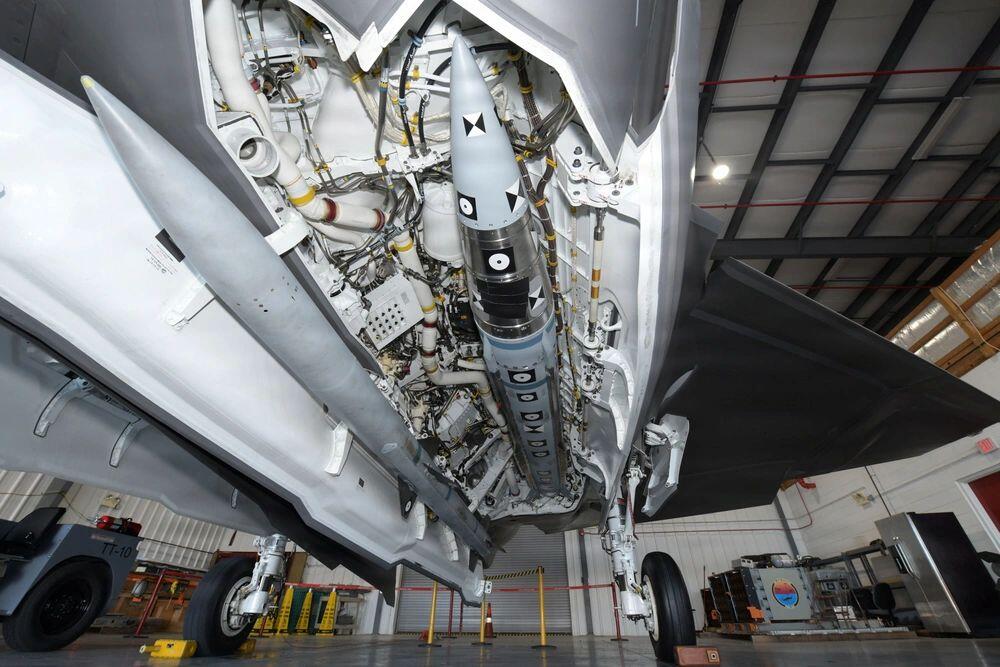
F-35C

U.S. Marine Corps F-35C

Credit: U.S. Marine Corps

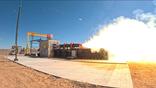
RENO, Nevada—The U.S. Navy is developing and currently flight testing a new long-range air-to-air missile that will far exceed the capabilities of the current AIM-120 and likely the recently disclosed AIM-174B as well.

The new AIM-424 “Malice” air-to-air missile is being developed for the F/A-18, the F-35 and F/A-XX. The missile was announced at the Tailhook Symposium here Aug. 22.

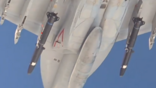
Specifics of the two-stage missile are classified and the Navy did not disclose the company producing the weapon. Imagery appears similar to the AIM-174B in size—much larger than the AIM-120.

The concept for the AIM-424 may have been in development for over a decade. In 2017, a senior defense official revealed the Long Range Engagement Weapon (LREW) concept during a defense industry conference. A presentation slide revealed a concept for a two-stage air-to-air missile launched from the internal weapons bay of a stealth aircraft.

"Budget documents in the fiscal 2017 spending request said that the LREW concept had completed a successful, two-year demonstration, and the technology was being transitioned to the services.

The Navy is under pressure to increase the reach of its striking power from the aircraft carrier. China has fielded air-launched anti-ship ballistic missiles and cruise missiles with ranges over 1,000 nm, which requires the Navy to respond with a weapon that can put the missile-carrying aircraft at risk.

The development comes as the Navy and the Air Force are preparing to field the new Lockheed Martin-developed AIM-260 Joint Tactical Missile.

Brian Everstine

Brian Everstine is the Pentagon Editor for Aviation Week, based in Washington, D.C.

Steve Trimble

Steve covers military aviation, missiles and space for the Aviation Week Network, based in Washington, DC.