This article is published in Aerospace Daily & Defense Report part of Aviation Week Intelligence Network (AWIN), and is complimentary through Jul 12, 2026. For information on becoming an AWIN Member to access more content like this, click here.

Rafael Sees German Iron Dome Production With Export Deal

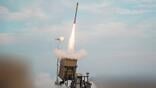
iron dome intercepting attack

A rocket attack being intercepted by Israel's Iron Dome.

Credit: Carl Court/Getty

BERLIN—Rafael would produce its Iron Dome air and missile defense system in Germany if the government in Berlin opts to buy the system, company CEO Yoav Tourgeman says.

Israel has long been hesitant to allow the wide export of the system, which has become critical to country’s ability to counter drone, rocket and missile threats. But Tourgeman says the company has been given the green light to potentially export the system to Germany.

“We have the intention to not take jobs in Germany, but to create jobs in Germany,” Tourgeman said in an interview during the ILA Berlin air show. “Bottom line—we are going to produce it almost 100% in Germany.”

Rafael, which has long ties with German companies such as Rheinmetall and Diehl, would prefer to cooperate on such an effort, the CEO says, but it could set up the capability in Germany on its own if required.

Any deal would be a government-to-government arrangement that the company would support. Tourgeman would not put a timeline on how quickly the company could deliver, but says, “it will be done very quickly,” noting “time is critical.”

Rafael, which has now added the Iron Beam laser system to the kinetic interceptor-based Iron Dome, might sell that abroad, too. “It is highly dependent on the requirements from the German side,” the Rafael boss says.

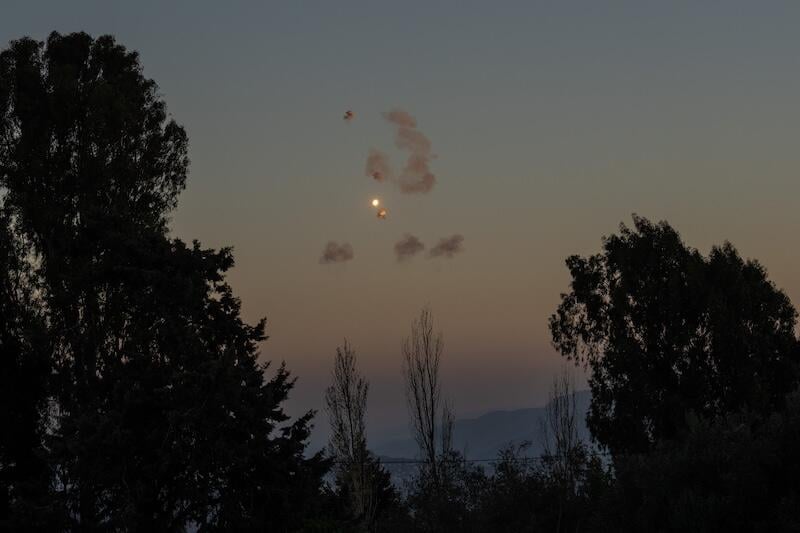
The Israeli state-owned defense company is looking to parlay the performance of Iron Dome during recent rounds of fighting into export deals. Tourgeman says that since the Oct. 7, 2023, attacks on the country, the system has conducted more than 10,000 intercepts, allowing Israel’s economy to continue functioning. The probability of intercept has been above 90%, he notes, with the system also knowing when not to intercept a threat that may land in an area where it would not do damage.

The system's functionality has allowed production of Iron Dome systems to continue without disruptions despite repeated waves of drone, rocket and missile attacks, Tourgeman says.

Despite a high interceptor expenditure rate, Rafael has been able to replenish inventory. “The scale of production of the system is huge. No air defense system can produce as many interceptors as we can,” he asserts.

Robert Wall

Robert Wall is Executive Editor for Defense and Space. Based in London, he directs a team of military and space journalists across the U.S., Europe and Asia-Pacific.