This article is published in Aerospace Daily & Defense Report part of Aviation Week Intelligence Network (AWIN), and is complimentary through Jul 18, 2026. For information on becoming an AWIN Member to access more content like this, click here.
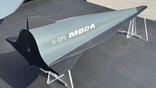
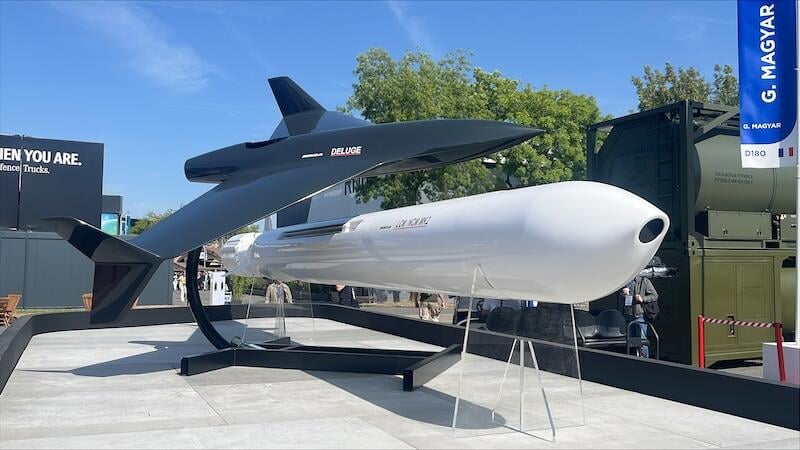
MBDA exhibits LCM Mk. 2 at Eurosatory 2026.
PARIS—MBDA said it plans to have a land-based version of its MdCN naval cruise missile available for customers by the end of the decade as the European missile-maker looks to address growing appetite for deep-strike weapons.
The company unveiled the Land Cruise Missile (LCM), which would have a range of more than 1,000 km (620 mi.), at the Eurosatory defense expo, saying it could have an initial version of the system ready in 2029. It also plans to reveal a one-way effector to aid the missile’s survivability when trying to strike targets defended by the most sophisticated air defenses.
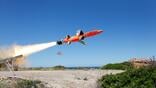
Each LCM launcher would carry four canisters with one missile each and would be able to fire its weapons within 15 min., according to Paul Houot, an MBDA program official. The ground-based system leans heavily on the in-service MdCN missile and would reuse its electronics for the firing system.
The company aims to conduct canister firings in 2028 to prepare the system for use. “We are actively working to bring it rapidly to market,” Houot told reporters June 15 on the opening day of Eurosatory.
LCM would evolve with the Mk. 2 upgrade France is pursuing for the naval mission. The Mk. 2 should be ready for service in 2030. It features a slightly refined front end for greater survivability. Further upgrades could include datalinks for inflight retargeting.
The program could serve as a first step toward Europe’s larger ambitions to field a long-range strike system under the so-called Elsa program. France, Germany and other countries in Europe have partnered on Elsa, but also indicated they want nearer-term options to field deep strike capabilities. Germany’s top officer, Gen. Carsten Breuer, last week said the country was in the market for a near-term system.
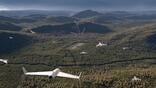
The LCM system comes with a mission planning tool that would also inform operators about the likelihood of enemy air defenses spotting the system. To help provide additional coverage where the missile might be vulnerable, MBDA suggests operator launch a one-way effector it calls Deluge. It is designed as a low-cost system to saturate enemy air defenses, helping the missile make it to its target.
The 120 kg-weight-class (265 lb.) Deluge would have a range of more than 500 km, with a speed of 400 km/h. It would have a length of around 3 m (9 ft.) with a 3-m wingspan and initially carry a small warhead, though later upgrades could include a jamming payload.
The LCM adds to MBDA’s deep-strike offering that includes the Crossbow, which was unveiled last year as a low-cost, 800-km-range system. LCM would be a higher-end system, with greater range and more survivability.