This article is published in Aerospace Daily & Defense Report part of Aviation Week Intelligence Network (AWIN), and is complimentary through Jan 14, 2026. For information on becoming an AWIN Member to access more content like this, click here.

DOD Targets Tripling Of Annual PAC-3 MSE Interceptor Production
Lockheed Martin
Credit: Lockheed Martin

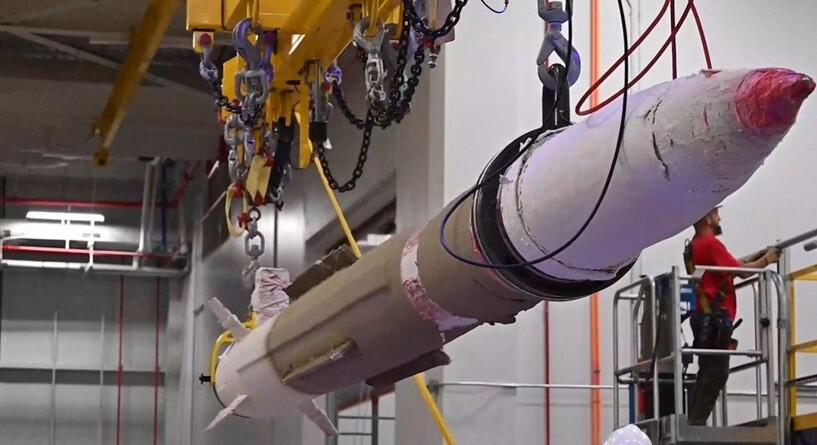
The Pentagon and Lockheed Martin have agreed to more than triple the annual output of Patriot PAC-3 Missile Segment Enhancement interceptors under a proposed framework that could serve as a pilot for other U.S. military capability needs.

The new framework agreement covers seven years and is designed to give the company and suppliers a sustained demand signal to make the investments required to boost production capacity, the Pentagon said in a Jan. 6 statement. If approved, Lockheed Martin would increase annual production of the interceptor from around 600 units to 2,000 under the ensuing contract.

“We will award companies bigger, longer contracts for proven systems so those companies will be confident in investing more to grow the industrial base that supplies our weapons systems more and faster,” the Pentagon’s undersecretary for acquisition and sustainment, Michael Duffey, said in the statement.

In addition to working with Lockheed Martin, the Defense Department said it would interface with critical missile suppliers to provide seven-year subcontracts to help ramp up.

For decades, the U.S. government and its industrial partners have endured a “misalignment of risk and incentives” when seeking to hasten equipment production, Duffey told reporters Jan. 6. The framework would deliver “a surge of capability” to troops, encourage vendors to invest in the upfront costs of expansion, and provide long-term stability to the munitions’ supply chain, he said.

The Defense Department began engaging with munitions developers last summer, with conversations deepening in the fall, he said. The agreement with Lockheed Martin “really memorializes the efforts over those past few weeks and months, to iron out the issues and to come to agreement on a new model for how we would acquire,” he said.

Other capability needs that could benefit from a similar acquisition model remain to be determined, and the parameters could shift from program to program, Duffey said. “This is a great and much-needed portfolio in which to pilot this new effort, but we will be aggressively exploring other opportunities,” he said.

The long-term contractual arrangements still require congressional sign-off. Duffey and Lockheed Martin President and CEO Jim Taiclet declined to put a dollar value on the increased interceptor production on the conference call with reporters.

“We can’t identify dollars until they’re, A, appropriated; B, we have a definitive contract so we know how to space out the cost of the nonrecurring investments that we’re going to have to make,” Taiclet said.

The proposed framework acknowledges inflation rates over the next seven years and includes an escalation index, Taiclet said. It also contains a set of “recovery provisions” in case the U.S. government adjusts or changes the parameters of the agreement that would allow industry partners to be reimbursed for any non-absorbed, nonrecurring expenses made with the original rates in mind, he added.

Since Russia’s full-scale invasion of Ukraine has fueled demand for air and missile defense interceptors, the U.S. Army and Lockheed Martin have worked to increase PAC-3 output. In October 2024, the two signed a contract for production to reach 650 units per year in 2027. It delivered more than 500 units in 2024, which itself marked a more than 30% increase from the year prior, the company has said. Lockheed Martin delivered 620 units in 2025 and expects to hit 2,000 annual units by the end of 2030 after incorporating additional personnel, automation and advanced tooling into its production lines, Taiclet said.

The company also plans to diversify its supply chain, with “lower performing suppliers” to be either replaced or bolstered by second or third sources, he said, noting that specific numbers of new hires and suppliers will be determined in the final contract.

Demand has come not just from the U.S. and Ukraine. Germany and Switzerland are among the countries in recent years to commit to buying MSE interceptors given security concerns in Europe.

Lockheed Martin’s Missiles and Fire Control on Sept. 3 received its biggest contract in the segment’s history, getting a $9.8 billion award from the U.S. Army to provide 1,970 Patriot interceptors.

Robert Wall

Robert Wall is Executive Editor for Defense and Space. Based in London, he directs a team of military and space journalists across the U.S., Europe and Asia-Pacific.

Vivienne Machi

Vivienne Machi is the military space editor for Aviation Week based in Los Angeles.